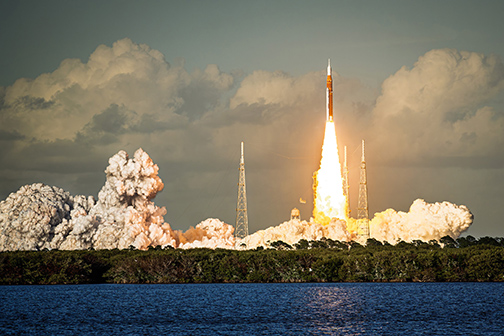
Welcome to the dark side of the moon.
Artemis II, the Orion class spacecraft, launched by NASA on April 1, is the first to return to the moon since 1972. This time, however, it was the other side of the moon—the one we can’t see from earth—that astronauts probed.
As John F. Kennedy proclaimed more than 60 years ago, the goal was not only to go to the moon but to return a crew safely to Earth.
For that part of Artemis II’s mission, Italy played a significant role.
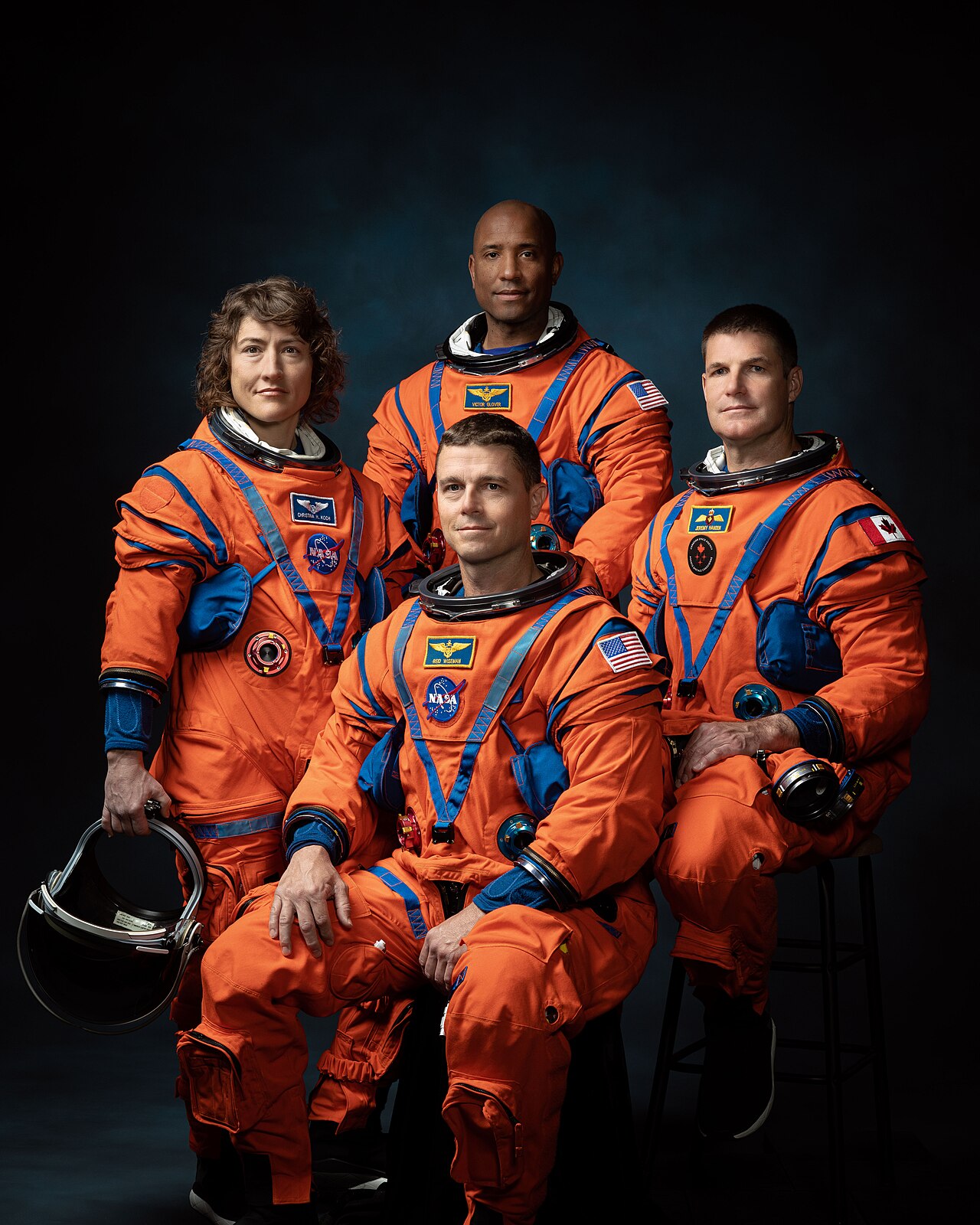
The launch of Artemis II on April 1 included a four person crew who
dependend on Italian technology to protect them from excessive radiation
⸻
A Time for Timepix
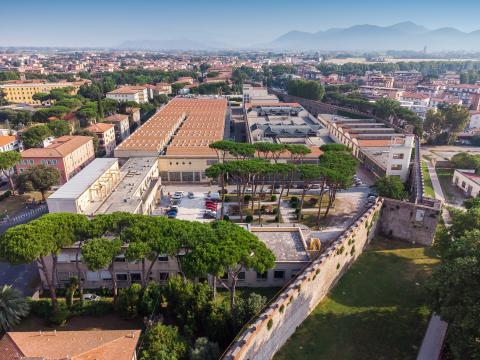
The University of Pisa—one of Europe’s oldest and most storied institutions—was a key contributor to ensure the safety of the Artemis II astronauts.
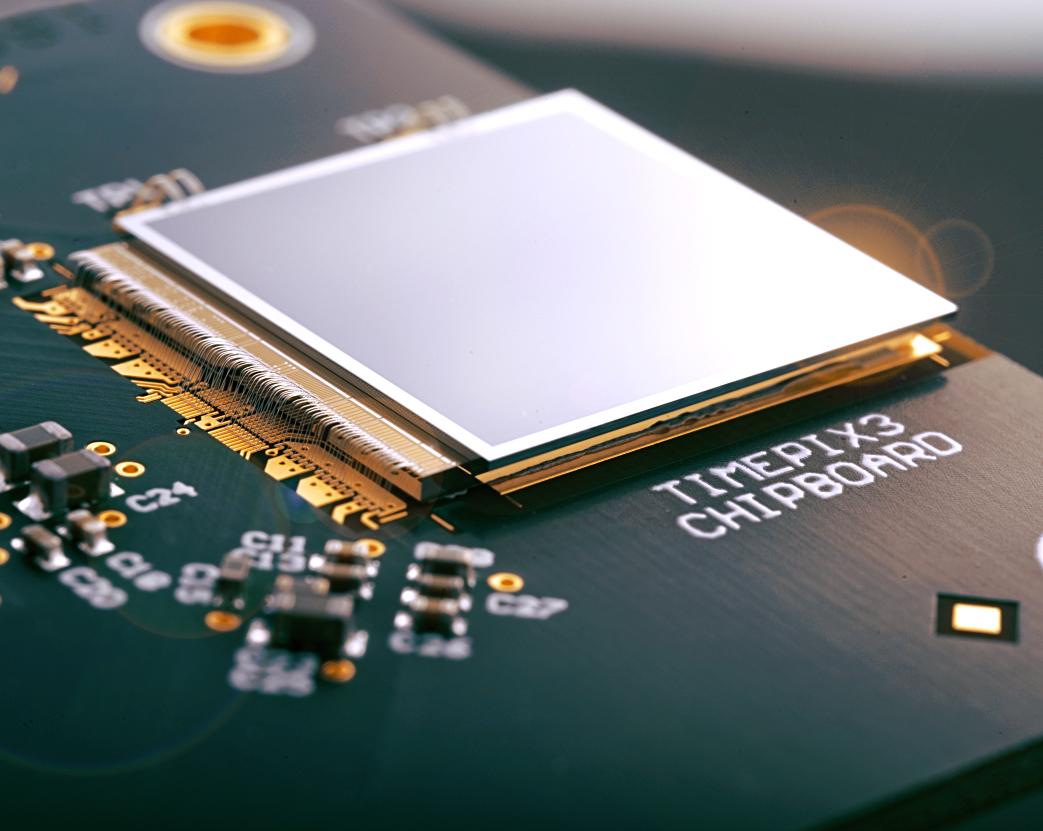
At the heart of Pisa’s contribution was a sophisticated set of radiation-detection devices known as Timepix sensors. Developed through the CERN-based Medipix collaboration, these instruments came about after decades of research involving the University of Pisa and Italy’s National Institute for Nuclear Physics (INFN).
Installed aboard Orion, as part of NASA’s HERA (Hybrid Electronic Radiation Assessor) system, the sensors served a mission-critical function: they monitored radiation in real time as the spacecraft traveled beyond Earth’s protective magnetic field.
Outside low Earth orbit, astronauts are exposed to significantly higher levels of cosmic radiation—one of the greatest hazards of deep-space travel. The Timepix detectors measure not just the presence of radiation, but its composition and energy, tracking the microscopic paths of particles as they pass through the spacecraft.
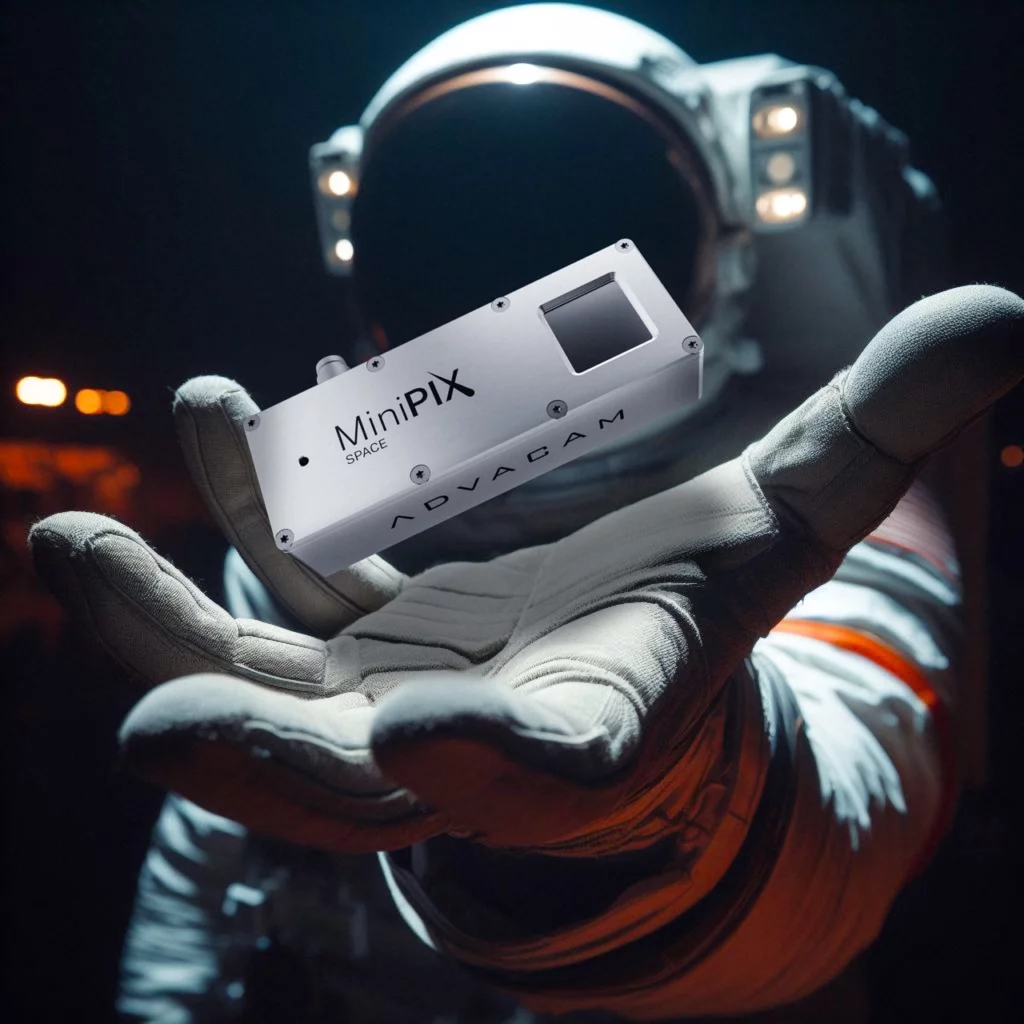
The Timepix device was partly developed at the University of Pisa
______
Safe in Space
In practical terms, this technology helps answer one of the central questions of modern space exploration: How do we keep humans safe in deep space?
The detector technology, developed by Italian scientists at Pisa, had its roots in experiments at the Large Hadron Collider, situated at the border between France and Switzerland, where physicists study the fundamental structure of matter.
Over time, researchers in Pisa helped refined these hybrid pixel detectors to adapt them for practical applications—including medical imaging and now human spaceflight.

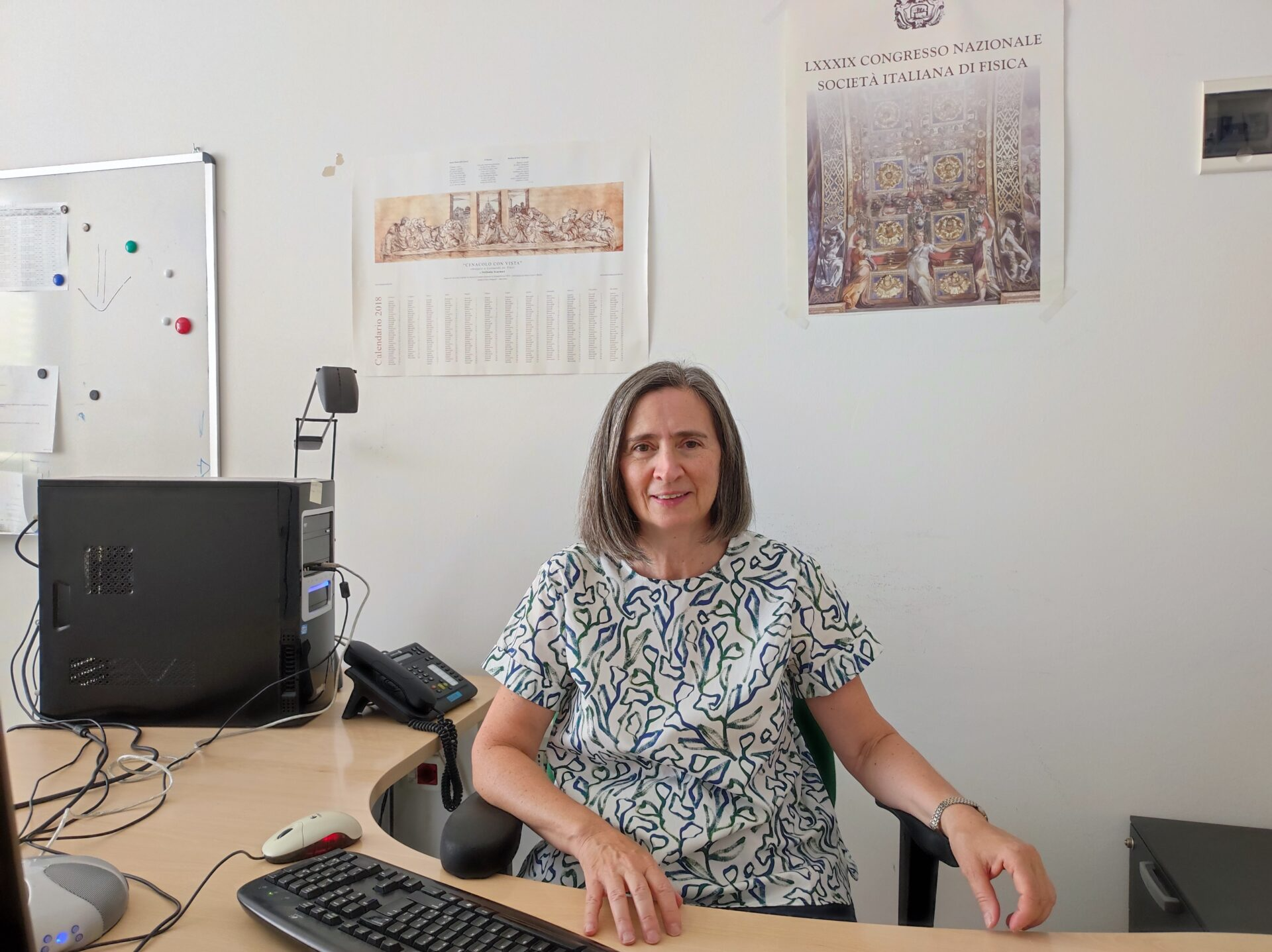
Professors Maria Giuseppina Bisogni and Valeria Rosso were two of a number of scientists from the physics department at the Univeristy of Pisa who helped to produce Timepix
⸻
Italy’s Expanding Role in Artemis
The University of Pisa was part of a broader Italian contribution to Artemis II. Italian industry supplied key components for the mission, from power systems to spacecraft structures.
Pisa’s role stood out for its focus on human survival and long-term exploration. Radiation monitoring remains foundational to future missions, including planned lunar landings and eventual journeys to Mars.
Without precise data on radiation exposure, sustained human presence beyond Earth would remain a dangerous gamble.
⸻
A Renaissance of Space Exploration
Italy has had a long love affair with the moon in astronomical science. It was Galileo Galilei whose observations in the early 17th century helped humanity first understand the moon. Galileo showed the moon as a world rather than a distant light when he lived and worked in Pisa. Today, scientists from that same intellectual lineage are helping humanity return there.
Artemis II is the beginning of a sustained human presence in deep space. While the astronauts may capture the headlines, the success of the mission depends on invisible technologies like those developed in Pisa.
Editor’s Note:
The web site for the physics department of the Univeristy of Pisa is https://www.df.unipi.it/en/
READ HERE THE NEW EDITION - FIRST 2026 PRIMO
—————————————————————————————————————————————————————————————————————————————
Please visit our DVDs Page to shop our latest collection of DVDs on all things Italian: Films from Italy's Golden Age, Documentaries on Italian American life, ancient Rome, and religion.

Please visit our Books' page to review our latest inventory of books on all things Italian: cookbooks, history, art and culture.

Other articles to read...