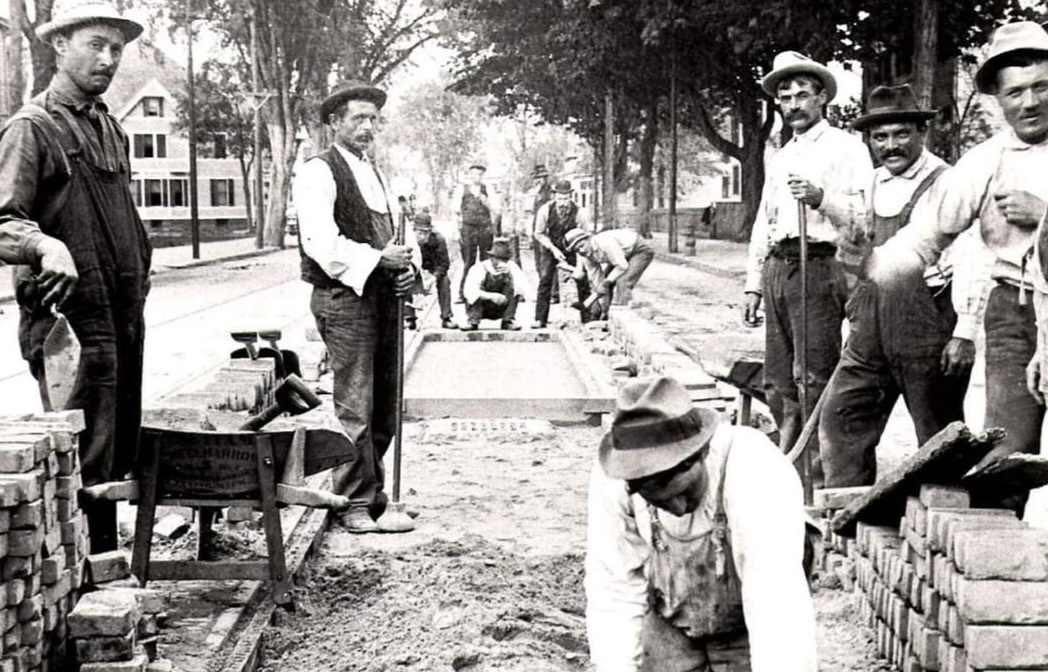
Sicilian bricklayers in New Orleans
By Michael Santo, Esq.
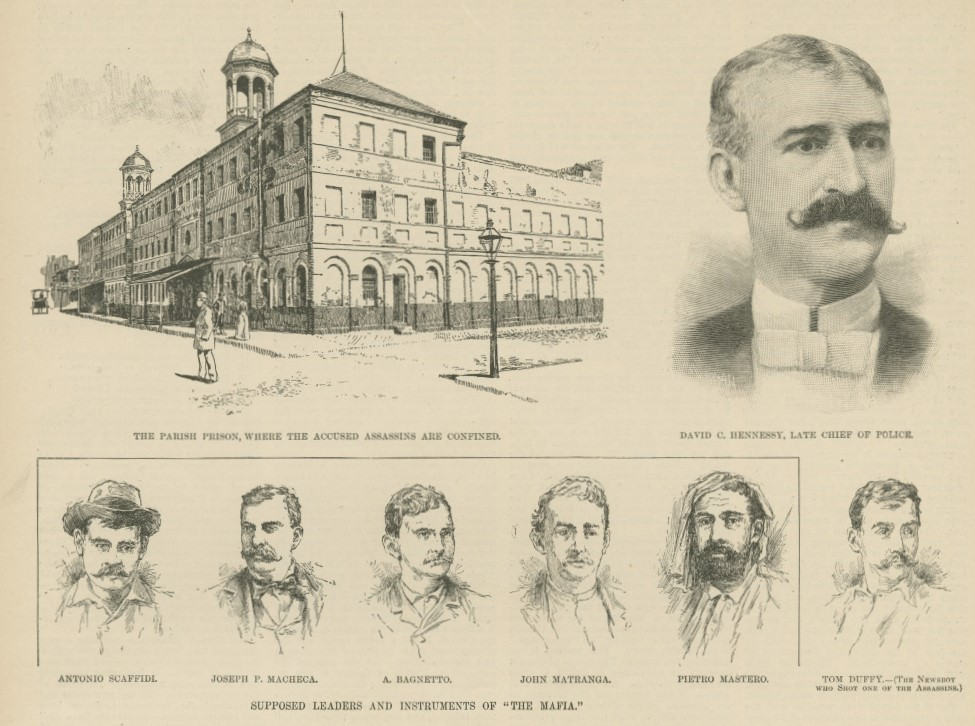
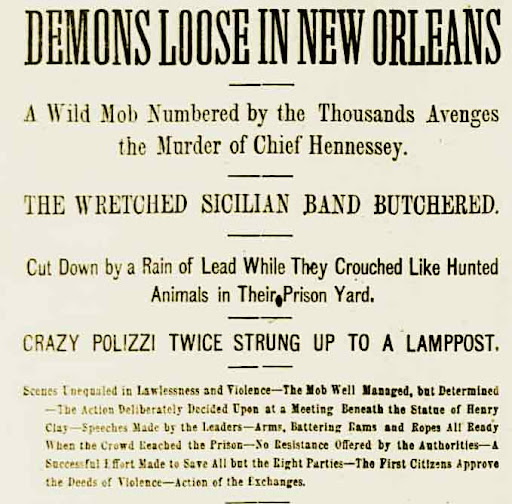
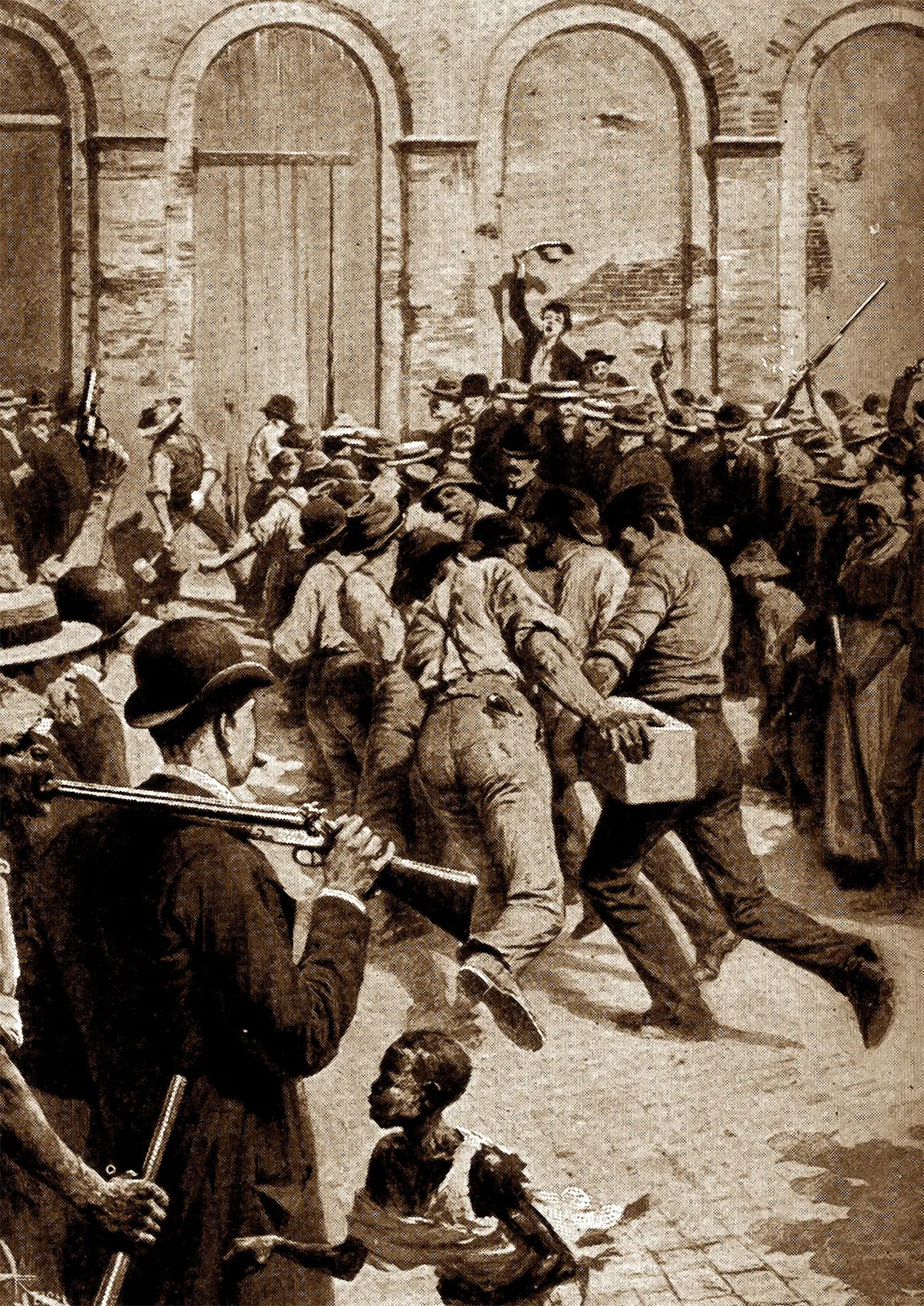
On March 14, 1891, 11 Italian immigrants, wrongly accused of killing New Orleans police chief David Hennessy, were removed from prison and lynched.
No repercussions, no arrests, and a bogus grand jury proceeding with no answers. The local and national press, including the revered New York Times, applauded the crowd for their actions.
The taint of the worst lynching in America festered for some 128 years until an official apology was issued by New Orleans Mayor Latoya Cantrell on April 12, 2019.
Yet, there remained an open question: Who did kill the Chief, and why?
Sicilian bricklayers in New Orleans
____
Crime Figther, Crime Writer
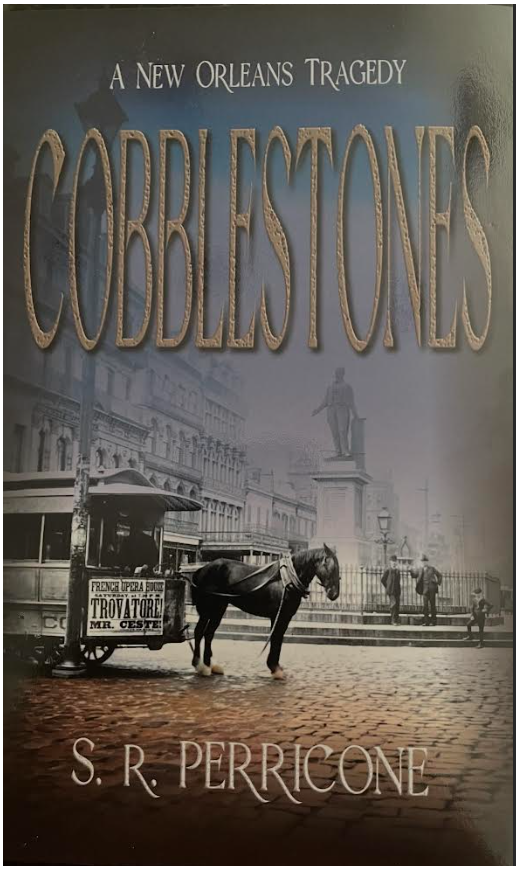
The author of a new book, Cobblestones, is Sal Perricone. A retired New Orleans Police Officer, former FBI agent and federal prosecutor, Perricone decided to investigate the matter. He delved into the archives of the Italian American Museum of New Orleans to solve a century’s old “cold case.”
Chief Hennessy’s last words, according to the local press, were that “the dagos” killed him. This sparked the phrase, “Who killa the Chief,” which remained a way of instigating and insulting any Italian at the time, and since.
Cobblestones is, by definition, a fictional book where the unfolding of events are seen through the eyes of an imagined character named Antonio Carravella (later, Terranova, in America), from Bisacquino, Sicily (the author’s grandfather’s hometown). Antonio is an intelligent bystander who recalls how the rich dominated the people of New Orleans. He recounts the events before and after the mass lynching of Italians.
Perricone provides a smooth story line. The narrative is gentle yet fast enough to make the reader eager to move forward. The details are sufficient to absorb and appreciate the unfolding of events. We have in this book a true account of history presented in a manner that makes for an intriguing read. Perricone was right to have presented his research from Antonio’s perspective. It makes the events more “human” as well as tragic. That is the point. The book stops when Antonio is 18 years of age, when he is more aware of the pain and suffering, he witnessed in both Sicily and New Orleans.
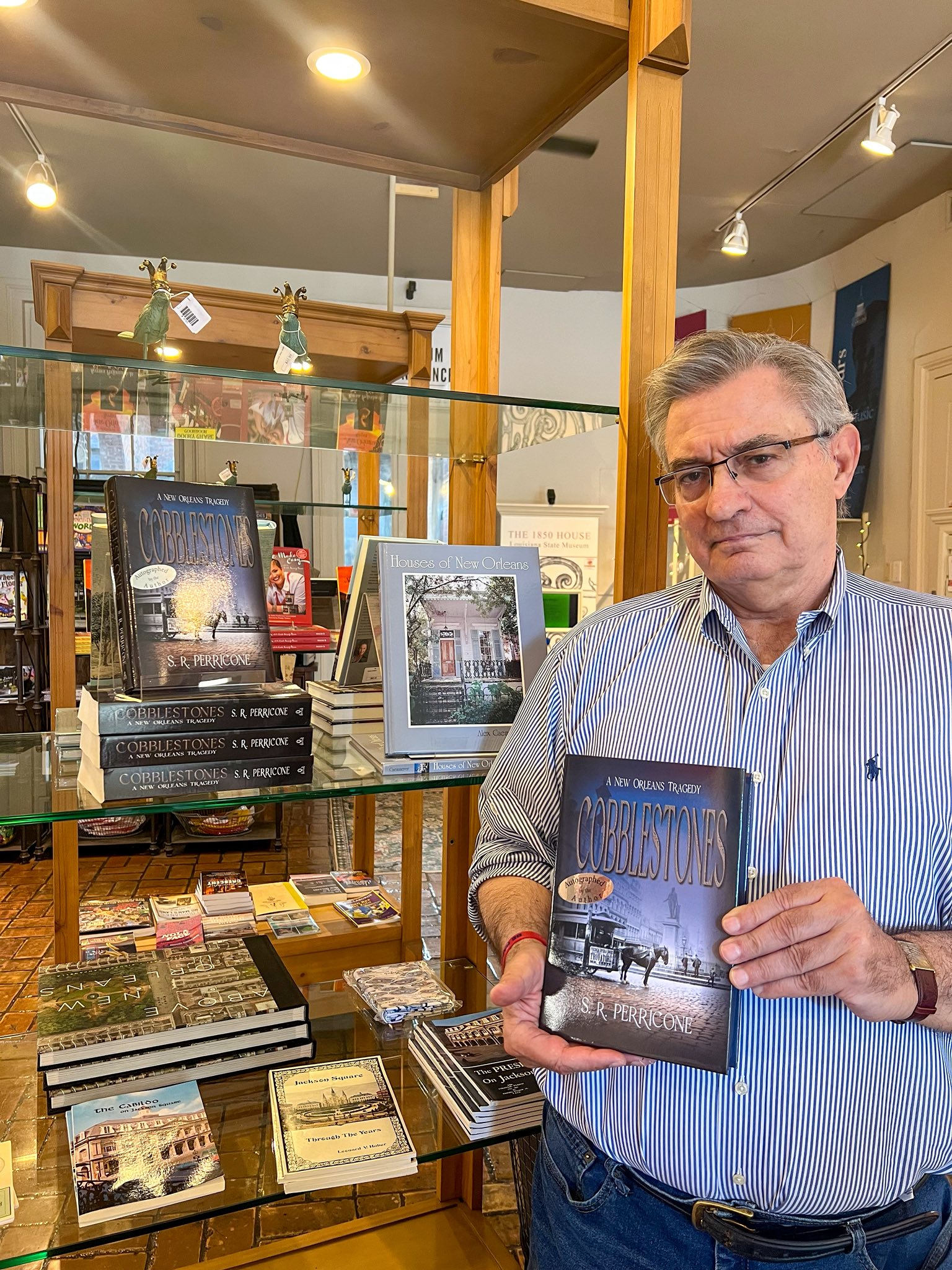
Retired police detective turned author, Sal Perricone
____
Italians Victimized
The consequences of the lynching were bold and widespread. Vigilante violence prompted fear in the Italian American community. Many relocated to the west and north. Others remained but never forgot. The events of March 1891 were not popularized in our educational system; the discussions were low and few. The citizens of New Orleans remained aware of the gaping societal wound and quietly murmured of its existence for many years without properly addressing the real issues. Life went on.
Cobblestones is a “must read” for Italian Americans and advocates of justice. The ramifications of Perricone’s findings are as relevant today as they were 134 years ago. The past can, and should, offer lessons for us to embrace the future. The book provides a staggering reminder of the foibles and sins of mankind where the worst events remain cloaked in secrecy for far too long.
While there were investigations, there were no answers. While the country read about the events, they accepted as fact that the Italian immigrants who were lynched deserved their fate. It was uncanny. But for the intervention of the Italian government, this event was on an evil course of acceptance and silence.
____
Columbus Day Begins
The pressure produced results. There were reparations paid to the victims’ families. President Harrison issued a proclamation on July 21, 1892, designating October 21, 1892, as a one-time celebration for the 400th Anniversary of Columbus’s discovery of America. The proclamation was presented in advance of the Chicago Columbian Exposition October 1892. Harrison was forced to intervene in the New Orleans lynching. He had no choice.
____
Must Reading for Italian Americans
Mr. Perricone’s timely book is a shocking reminder of why the lessons of history must be published. We have him to thank for his thorough research and presentation.
Other immigrant groups came to America. There were many other instances of shame, tragedy, and horror in our history. Through Cobblestones, the reader learns of just one, but one that never was addressed at the level to which it is now. The book solves a cold case. We did not learn who pulled the triggers of the guns that killed Chief David Hennessy. We did learn who orchestrated the assassination, and it was NOT “the dagos.”
From then on, Italian Americans led the country in annual celebration of Columbus. The book proves that Italians were victims, yet society hardly considers them as such and certainly not now after years of bias in the press.

____
Editor’s Note:Editor’s Note: Mr. Santo has been an active advocate of Italian American affairs for more than 40 years, acting as counsel to a variety of well-established Italian American organizations. Pictured, the figure on the left, he spearheaded the request for an apology from the New Orleans Mayor in April 2019. He continues to practice as a civil litigator on behalf of injured clients as well as offers his pro bono services to Italian American projects. He can be reached at AttySANTO@gmail.com
Sal Perricone's Facebook page is: https://www.facebook.com/srperricone/
—————————————————————————————————————————————————————————————————————————————
Please visit our DVDs Page to shop our latest collection of DVDs on all things Italian: Films from Italy's Golden Age, Documentaries on Italian American life, ancient Rome, and religion.

Please visit our Books' page to review our latest inventory of books on all things Italian: cookbooks, history, art and culture.
Other articles to read...