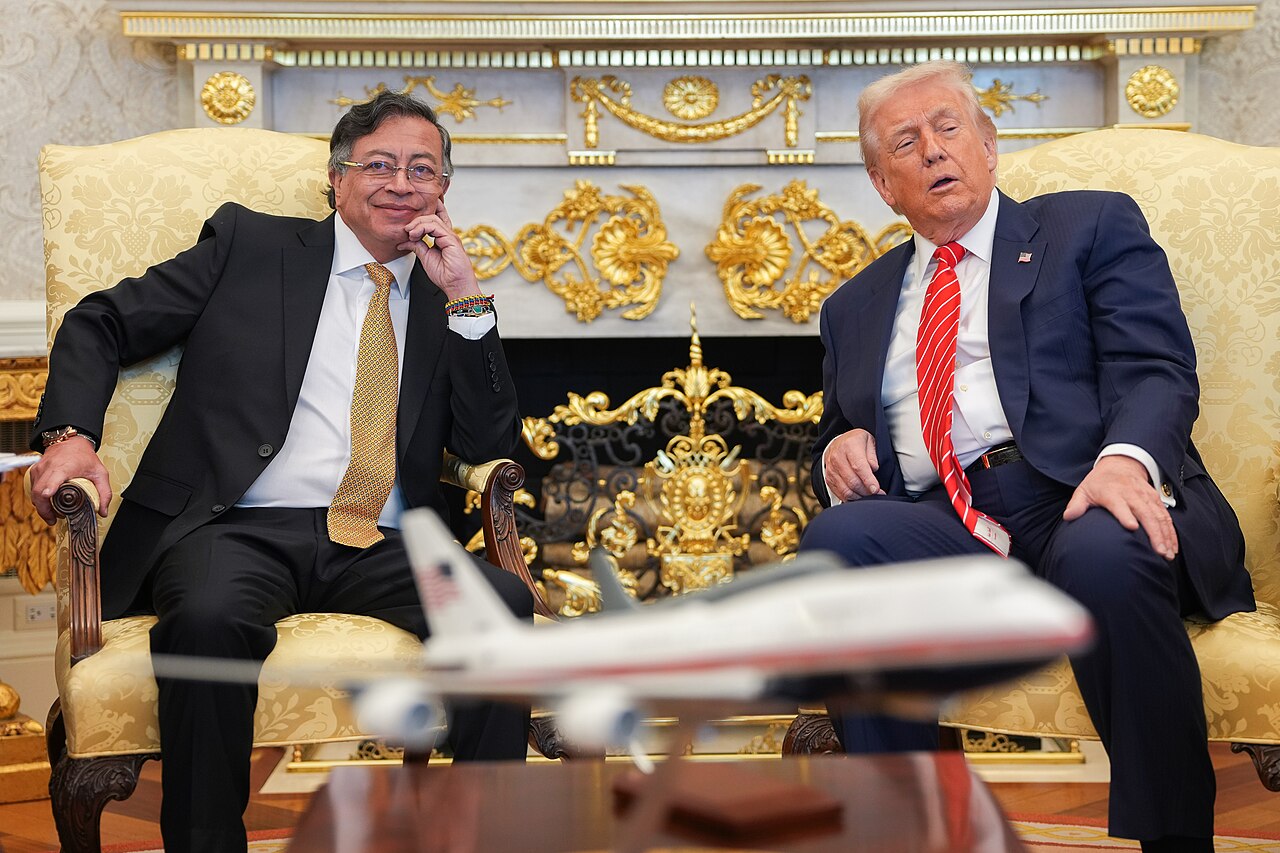
Gustavo Petro, president of Colombia, reported to have dual Italian citizenship, meets with President Trump in February, 2026
Italy may decide who is the next president of Colombia.
The South American country, of some 54 million people, four percent of whom are of Italian ethnicity, will elect a new president this Sunday. Italy has unexpectedly found itself woven into the political conversation in this closely watched election.
The term of President Gustavo Petro draws to a close.
Those who want to replace him have connections to Italian political philosophy, Italian citizenship, Italian ancestry, and even life in Florence. Italy has surfaced repeatedly in campaign rhetoric and candidate biographies.
Gustavo Petro, president of Colombia, reported to have dual Italian citizenship, meets with President Trump in February, 2026
⸻
Dual Italian Citizenship
Outgoing President Gustavo Petro was Colombia's first left-wing president in modern times. He traces part of his family ancestry to Southern Italy. Through that lineage, he reportedly holds Italian citizenship in addition to his Colombian nationality.
Another political figure with strong Italian ties is lawyer, businessman, and political commentator Abelardo de la Espriella. Leader of the party, Defensores de la Patria, he is running for president of Colombia. De la Espriella has openly embraced his Italian heritage by holding Italian citizenship through his mother's family. A colorful figure on the Colombian political scene, he once recorded an album of Italian love songs and frequently speaks about his Italian ethnicity.

Proud of his Italian roots—Abelardo de la Espriella, candidate for president of Colombia
______
Life in Florence
De la Espriella spent considerable time living in Florence. What might ordinarily be considered a personal detail became political ammunition during the campaign.
Also running for president is Senator Paloma Susana Valencia Laserna, of the Centro Democrático party. She launched a pointed attack against De la Espriella, contrasting her own political record with what she portrayed as his comfortable life in Florence. Referring to his years in Italy and his legal defense of businessman Alex Saab, the alleged backer of Nicolás Madura, former president of Venezuela, now sitting in a Brooklyn jail awaiting trial, Valencia declared that while others were "living in Italy defending bandits," she had remained in Colombia confronting the country's political challenges.
The remark, designed to raise questions about De la Espriella's loyalty to Colombia, demonstrated how Italy has become a symbolic issue in the race. Florence was transformed from a beautiful Tuscan city into a campaign talking point representing privilege, distance, and elite living.
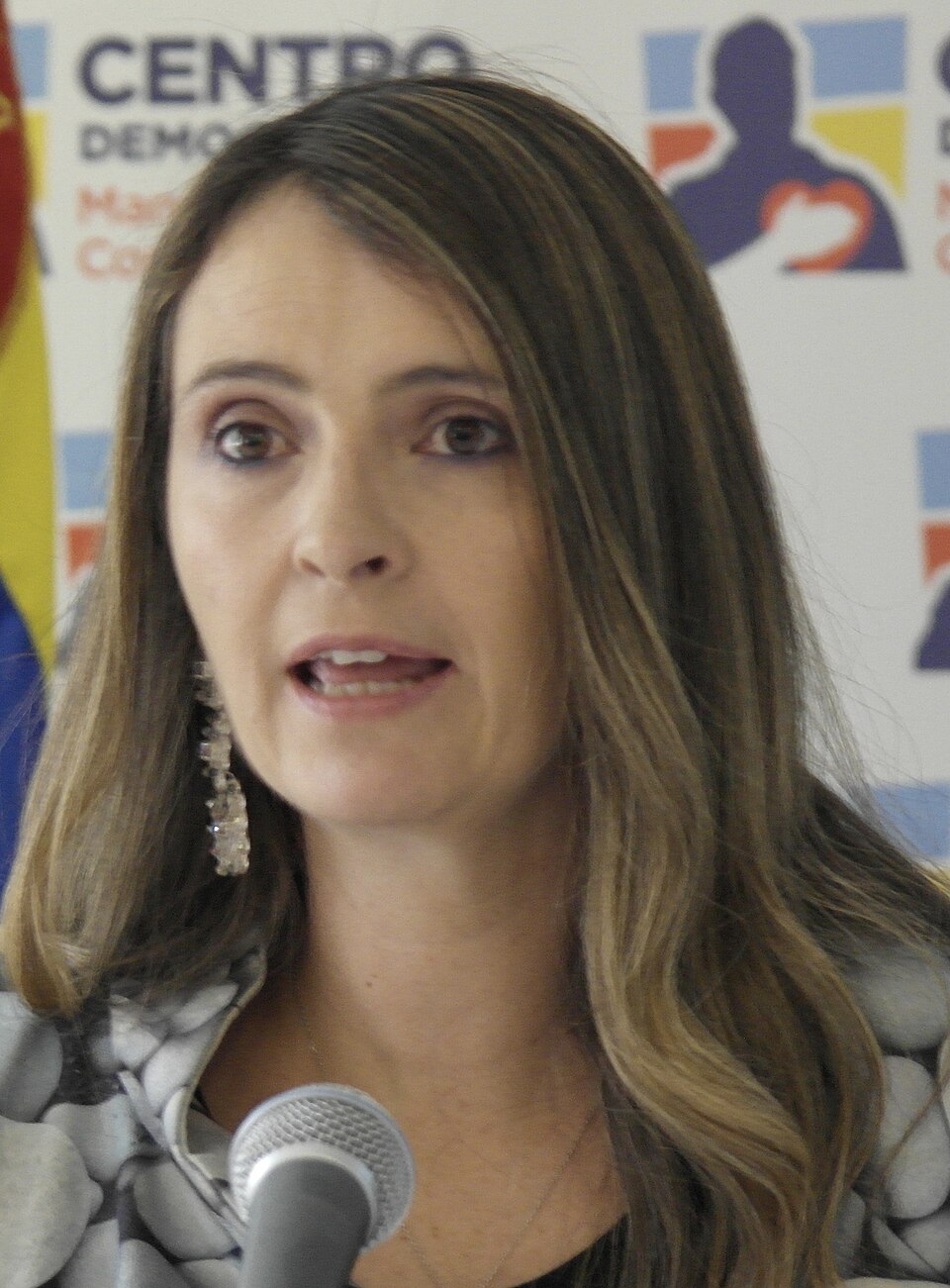
Candidate for presient of Colombia,
Senator Paloma Susana Valencia Laserna
⸻
Student of Gramsci
Italy's role in the election extends beyond family heritage and personal biography to encompass the realm of ideas.
Among the leading figures on Colombia's Left is Senator Iván Cepeda. Leader of the political party, Pacto Histórico, he is a prominent ally of President Petro.
Cepeda's political philosophy is linked to the broader tradition of European Marxist thought. Observers have pointed to the influence of Italian communist thinker Antonio Gramsci on Cepeda.
Born in Sardinia in 1891, Gramsci argued that political power was sustained not only through government institutions but also through cultural influence, education, media, and social organizations. His writings have shaped generations of left-wing activists and intellectuals around the world.
Gramsci's ideas continue to resonate among many progressive movements throughout Latin America. Italy's most famous communist philosopher has indirectly entered discussions surrounding the future direction of Colombian politics.
During the campaign, Cepeda used phrases to directly mirror Gramsci's concept of cultural hegemony and the "war of position" within state structures. He said, mirroring Gramsci, "Ideas and opinions are not spontaneously born... culture is the territory where political careers are won."
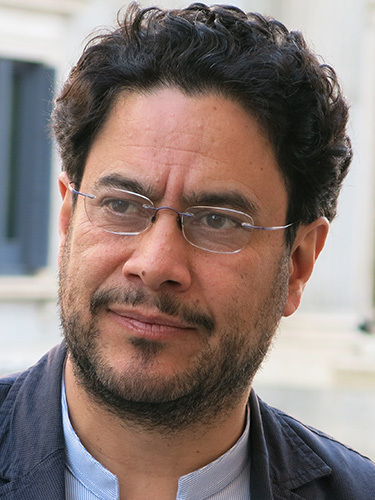
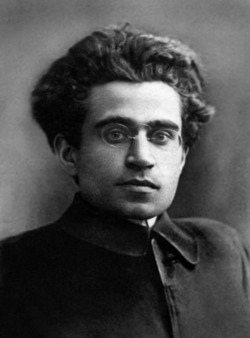
Running for president of Colombia, Senator
Iván Cepeda and his intellectual role model, Antonio Gramsci
The presence of Italy in the election is noteworthy because it spans the ideological spectrum. On one side are political figures associated with left-wing traditions influenced by Gramsci. On the other are conservative candidates such as De la Espriella who proudly embrace their Italian heritage and citizenship. Meanwhile, the outgoing president himself embodies another Italian connection through his ancestry and dual nationality.
Whether Colombians ultimately choose a candidate of the Left or the Right, one thing is clear: Italy has played an unexpectedly visible role in the debate over the country's future.
_______
Editor’s Note: The article was published on May 28, 2026.
The U.S. Congress has a web site on the coming elections of Colombia at: https://www.congress.gov/crs-product/IN12689
READ HERE THE NEW EDITION - FIRST 2026 PRIMO
—————————————————————————————————————————————————————————————————————————————
Please visit our DVDs Page to shop our latest collection of DVDs on all things Italian: Films from Italy's Golden Age, Documentaries on Italian American life, ancient Rome, and religion.


Please visit our Books' page to review our latest inventory of books on all things Italian: cookbooks, history, art and culture.

Other articles to read...