When we tell the story of Italian Americans, we often begin with Ellis Island and end with success in America.
We speak of struggle, assimilation, and achievement. But there is another part of the story that is rarely told, one that stretches back across the Atlantic.
For decades, Italian immigrants did not simply build new lives in America. They sustained the lives they left behind.
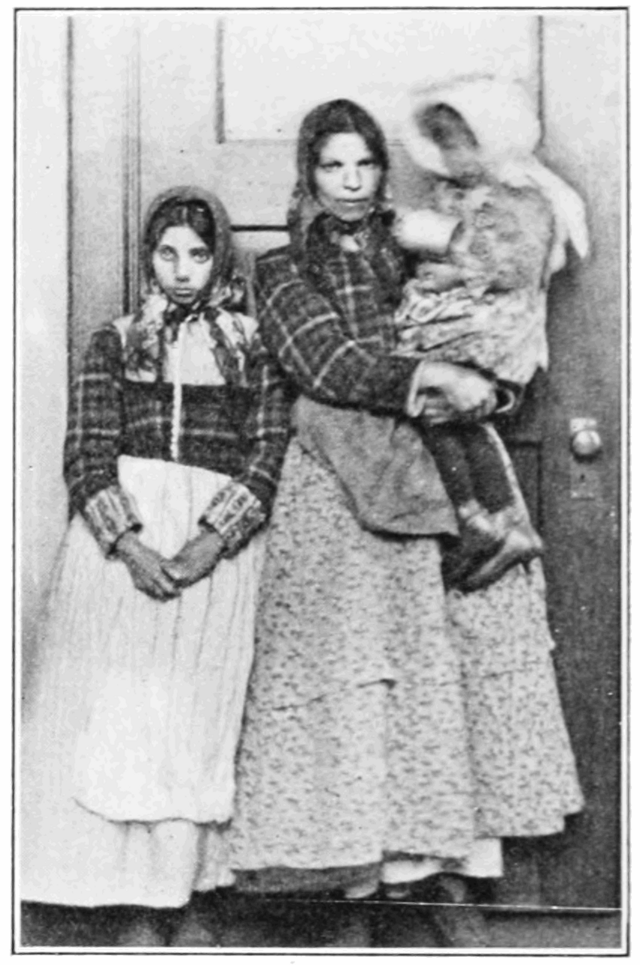
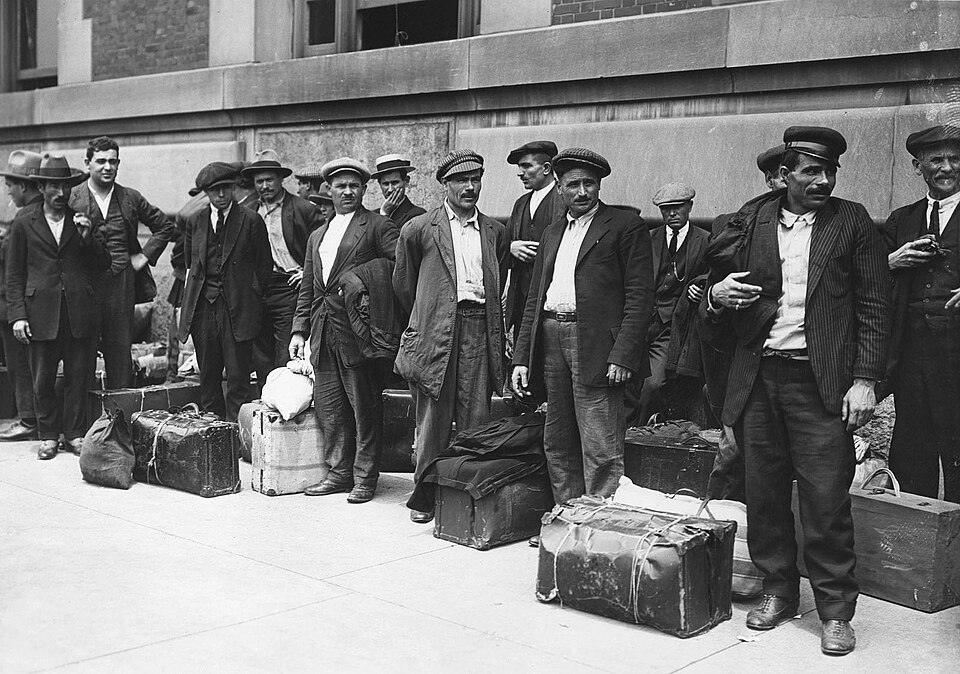
In Ellis Island, men wait in line as does an Italian woman with her two daughters
⸻
Denaro Americano
Between the late 19th century and World War II, millions of Italian immigrants sent money home to Italy, particularly to the Mezzogiorno. These remittances, often modest in amount but steady in flow, helped families survive, rebuild, and endure.
They paid for food, clothing, education, land, and dignity. In many towns, they made the difference between hardship and stability.
The practice was simple and deeply ingrained.
A son or brother would depart, secure work in America, and send home whatever he could spare. Those funds supported daily life in ways that were both practical and profound.
In towns clustered around Mount Vesuvius, including Terzigno, where my family lived, remittances often marked the difference between chronic hardship and cautious stability.
Historians now recognize that this movement of cash from America to Italy was one of the most consequential economic forces shaping Italy before World War II.
Italian immigrants sent tens of millions of dollars home each year in the early twentieth century. As early as 1896, an Italian government commission estimated that migrants in the United States were sending or carrying back between four million and thirty million dollars annually, a staggering sum whose effects were felt most acutely in the rural south.
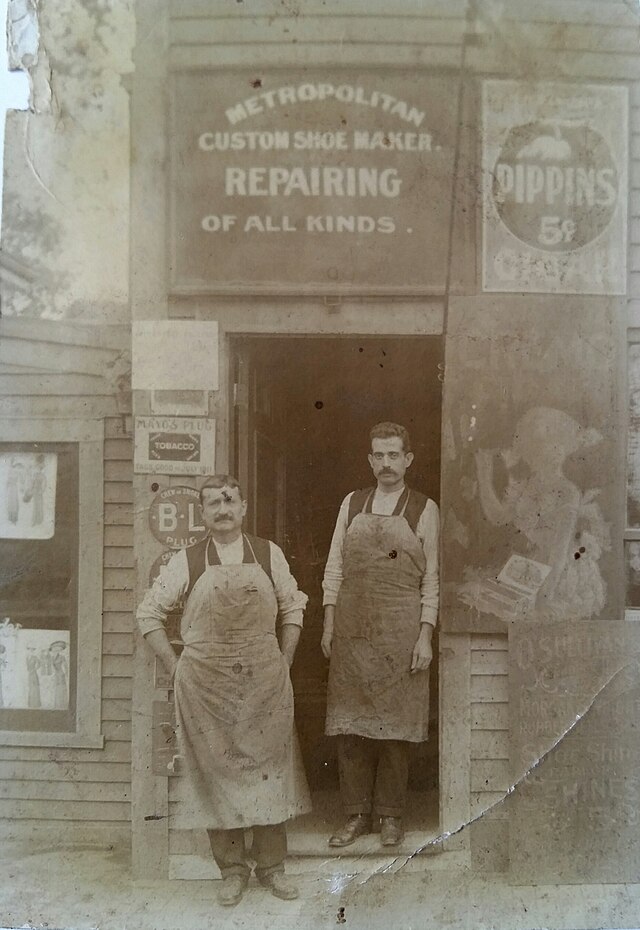
An Italian family owned business in America allowed for a steady stream of money back to Italy
_____
Alla maniera Americana
Modern scholarship confirms what villagers long understood intuitively. These funds mattered. They formed a steady stream of income that supported families, stabilized communities, and quietly connected two worlds.
While the Italian government did not conceal these remittances, their scale revealed an uncomfortable truth. Much of southern Italy depended not on opportunity at home, but on the labor of its people abroad. Remittances were both a source of national strength and a reminder of unresolved economic divisions. They sustained families, but they also told a deeper story about why so many had to leave in the first place.
Nowhere was this connection more visible than in the United States during the construction boom of the 1920s and early 1930s. As skyscrapers rose over Manhattan, subways were driven beneath city streets, and public works projects multiplied nationwide, Italian immigrant labor was everywhere. Men worked as masons, bricklayers, plasterers, laborers, and ironworkers, helping to build modern America with their hands.
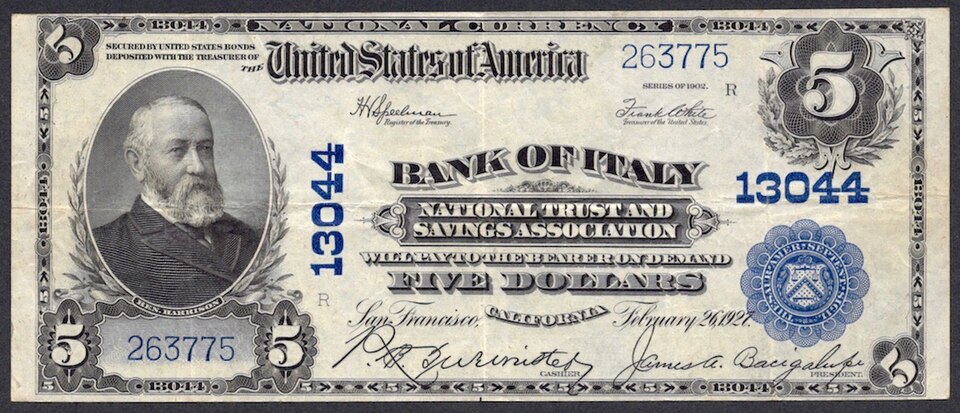
A bank note issued from the Bank of Italy, later to be renamed the Bank of America
⸻
From New York to Terzigno
It was during this period that my grandfather, Emilio Ranieri, and his brother, Francesco, found steady work in Staten Island at a gypsum factory. Later, in the late 1920s, they opened their own building supplies business in Brooklyn, New York, selling bricks, blocks, cement, and concrete. Like so many Italian Americans of their generation, they built something of their own and at the same time continued to support the family they had left behind.
Their story was not unusual. It was part of a larger pattern. Labor in America, responsibility in Italy. The success of a modest business in Brooklyn echoed quietly in a small town on the slopes of Vesuvius.
In village parlance, people often spoke of “gli americani,” not Americans in general, but our Italians in America, as the backbone of the local economy. Venice relied on commerce and the sea. Milan relied on industry and finance.
Much of southern Italy relied on wages earned abroad.
For families like mine, however, what traveled between America and Italy was never limited to money alone. Although no precise records exist, widespread practice of remitting wages home strongly indicate that American earnings formed a vital and sustained source of support for many families in Terzigno, including the Ranieris. Those remittances, earned through long days in factories, construction yards, and later in family businesses, arrived steadily and quietly, yet carried enormous meaning.
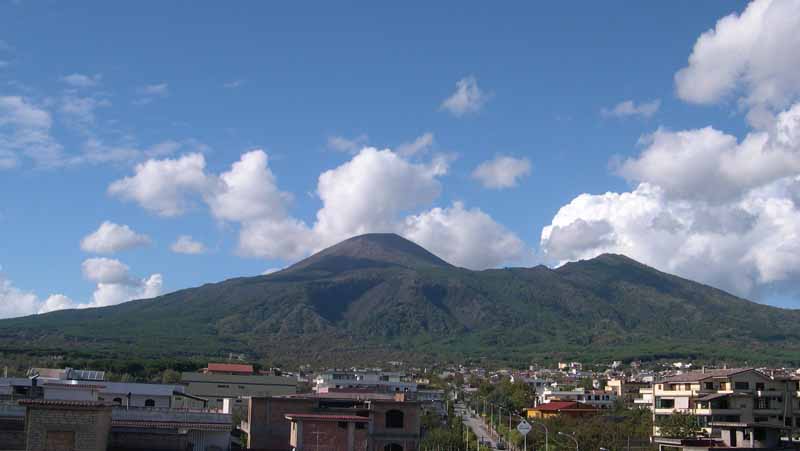
A photograph of Terzigno - where the author's family emigrated from in Italy
_____
Bravo, ragazzo mio!
Alongside money orders came letters and photographs moving in both directions across the Atlantic. From America came carefully posed family portraits, pictures of children at graduations, weddings, and other milestones. From Italy came photographs of relatives, homes, and gatherings that kept those who had left connected to the life they had known.
In Terzigno, these images were cherished, displayed in homes, and shared with neighbors as tangible proof that family ties endured despite distance.
For Emilio and his brother, sending money was a duty. Sending and receiving photographs was something more intimate. It was a way of remaining present across an ocean.
When I first traveled to Italy many decades later, those same photographs, preserved across generations, allowed me to recognize faces, connect names, and piece together a family tree and history that might otherwise have been lost.
At a national level, remittances carried broader consequences as well. They contributed to Italy’s financial stability, supported local economies, and helped lay the groundwork for modernization long before the emergence of the global “Made in Italy” brand.
In the end, the true legacy of those remittances cannot be measured only in dollars or ledgers. What endured was something far less tangible but far more lasting. Connection. The money my grandfather and his brother sent sustained daily life in Terzigno, but the photographs and letters preserved memory, identity, and recognition. Long after the work was finished and the businesses closed, those images remained, quietly waiting.
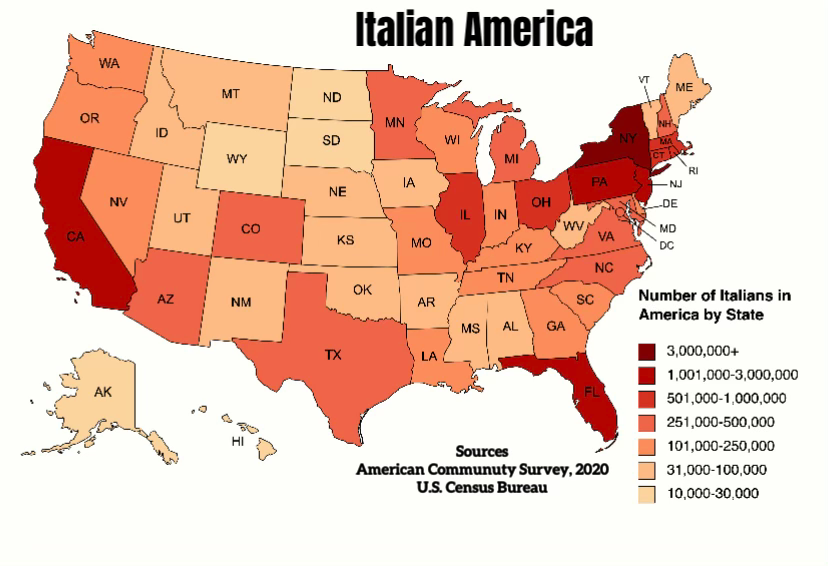
Editor’s Note: Michael J. Ranieri is the immediate past President of the Italian Cultural Society of Naples, Florida. He writes on Italian history, culture, and the Italian American experience.
READ HERE THE NEW EDITION - FIRST 2026 PRIMO
—————————————————————————————————————————————————————————————————————————————
Please visit our DVDs Page to shop our latest collection of DVDs on all things Italian: Films from Italy's Golden Age, Documentaries on Italian American life, ancient Rome, and religion.


Please visit our Books' page to review our latest inventory of books on all things Italian: cookbooks, history, art and culture.

Other articles to read...