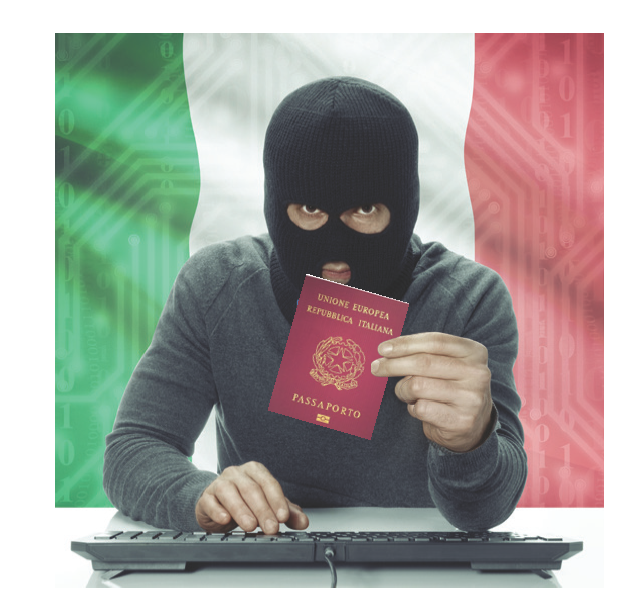
This is what happens when Italy restricts dual citizenship.
People turn to the dark web to get fake Italian passports.
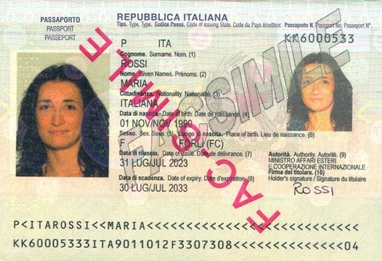
Recent findings from cybersecurity firms NordVPN, of the Netherlands, and NordStellar, of Lithuania, suggest that phony Italian passports are now the top travel documents bought and sold in hidden online marketplaces.
Listings on the dark web are currently selling “Italian passports” for as little as $35, and for as much as $1,500.
But, what exactly do you get for your money?
Fake Italian passports - now on sale on the dark web - range in price from $35 to $1,500
⸻
They call it “Fullz”
Not just a usable passport, in the traditional sense, is what customers buy on the dark web.
They acquire what cybercriminals call “fullz”—complete identity packages to include a person’s name, date of birth, address, passport or ID number, and even login credentials.
With that information, they can enter Italy. They can also open bank accounts, apply for loans, access tax records, or impersonate someone entirely—often without detection until the damage is done.
“It’s not about the document,” one cybersecurity analyst noted in a recent report. “It’s about the identity behind it.”
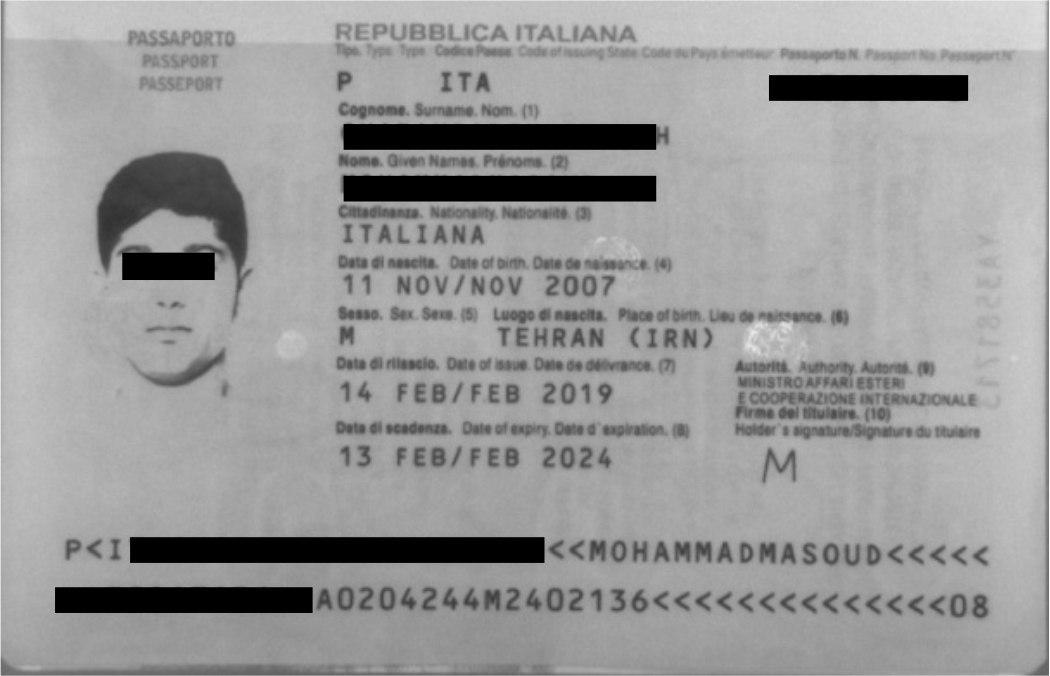
A fake Italian passport was uncovered by police
______
Hot Commodity—Italian Passports
Italian data has become particularly valuable.
As a member of the European Union, Italy offers its citizens broad mobility and access across dozens of countries. That makes an Italian passport one of the most useful of any passport in the world.
Italy’s cybersecurity practices are catching up to the high volume of foreign travelers who enter and leave the country. The country’s baseline technology is proficient yet not accessible to all checkpoints. This allows more illegal entrants in areas of lax security.
The growing trade in stolen Italian identities comes at a time when Italy has seriously reexamined its own citizenship laws. Recent policy discussions and administrative tightening around dual citizenship—particularly through descent—have sparked debate among Italian communities abroad, including in the United States.
While these changes are driven largely by bureaucratic strain and the surge in applications, the rise of identity fraud adds a new and largely unspoken dimension. In a world where personal data can be bought and sold in hidden markets, citizenship is no longer just a legal status—it is also a digital asset.
For Italian Americans—especially those pursuing dual citizenship—the implications are personal. The same documents used to reclaim heritage may also become targets for theft.
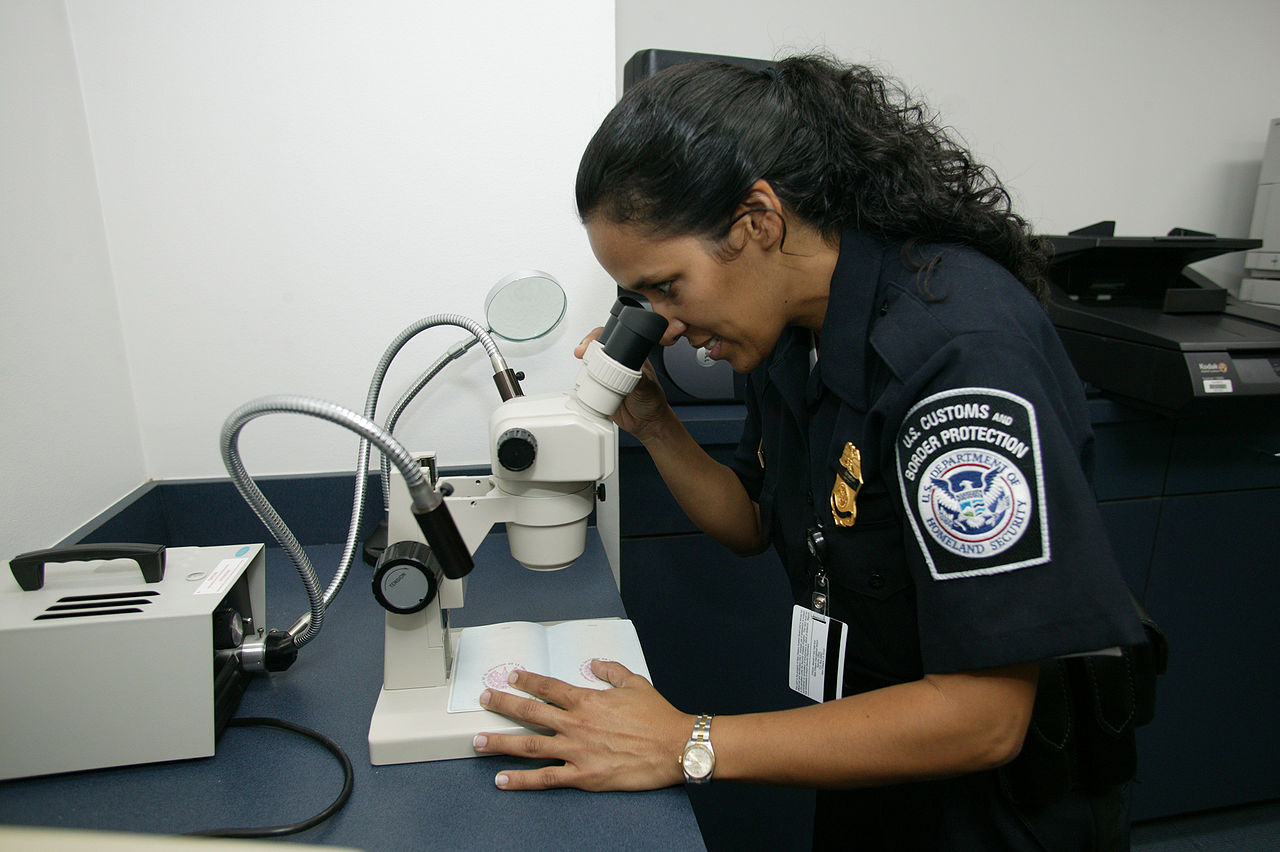
Italian passports are increasingly sold on the dark web, pushing border police to increase vigilance in uncovering the forgeries
⸻
Black Market Login
The dark web itself remains widely misunderstood.
An underworld bazaar of illegal goods and services can be accessed from your personal computer.
Unlike the familiar internet, however, the dark web is not accessible through standard browsers. This black market is intentionally hidden from search engines. Yet, browsers such as Tor and others will allow a user to enter the secret underworld of the internet. Once inside, the user can explore a cosmos of contraband. The dark web comes with surprising sophistication—complete with vendor ratings, customer reviews, and escrow systems.
Dark web transactions are typically conducted using cryptocurrency, such as the popular Bitcoin or the criminal preferred Monero, making them difficult to trace. Listings can range from stolen credit card numbers to full identity profiles, with European identities among the most prized.
Not every listing is legitimate. Some are scams targeting other criminals, while others exaggerate what is actually being sold. Nevertheless, the volume of activity tells a clear story. The trade in stolen identities is growing—and becoming more organized.
_____
How Much for a Fake Passport?
In 2025 alone, more than 2.2 million data theft alerts were recorded involving Italian-linked information, according to cybersecurity monitoring services. Experts say these incidents are becoming more systematic, less opportunistic, and increasingly global in scope.
The dark web offers an array of products to fake one’s identity. Italian passports are especially prized. Yet, not all forgeries are alike. When it comes to fake passports, you get what you pay for.
Low Level Fakes—You’re Gonna Get Caught
The $35–$100 “digital passports” you see online are typically photoshopped images featured alongside scanned documents and poor quality prints. Authorities—especially border agents—spot these quickly. Fake passports of inferior quality lack holograms and optical variable links. They come with microprinting and embedded fibers. Border police use scanners and UV lights to find these fake passports.
Mid-level Fakes: You Might Slip Through
Fraudulent passports are more convincing at a price range of $100 to $500. They come with better printing, improved paper stock, and some replicated security features. They have a better chance of passing hotel check-ins, car rentals, and low level identification checkpoints. Users often get nabbed when the passports are closely inspected and scanned against databases.
High Level Fakes: Welcome to Italy
The highest tier of fraudulent passports will cost you between $500 to $1,500. They are not usually sold openly on the dark web. Secret forums, hosted by organized crime, are where most people buy the best in fake identities. Professional forgeries will replicate many physical security features of the Italian passport. They come with real stolen identities (“fullz”) and genuine documents for greater credence. They can be difficult to impossible to uncover, depending on the level of expertise of the border agent.
______
Police Push Back
The law enforcement agency in Italy to review passports and secure airports is the Polizia di Frontiera (Border Police). They have made serious inroads to combat fake passports. They now issue biometric e-passports to include embedded chips, digital facial data, and cryptographic signatures.
Italy has beefed up security in the country’s airports. Checkpoints have scanners to review passports and other travel documents. Data extracted from a microchip embedded in the passport can be instantly checked against international databases. Border agents will view a monitor screen to see the physical traits of the person reported from the database. If the facial features on screen do not match the person carrying the passport, then police will detain the traveler for interrogation and possible arrest.
The dark web continues to expand its nefarious reach to every country. Italy is ground zero for the crimes of the future. The buying and selling of fake passports will be another of many criminal trends to overtake the peninsula.
Editor's Note: The web site for the Italian border police is https://www.poliziadistato.it/articolo/la-polizia-di-frontiera-1
READ HERE THE NEW EDITION - FIRST 2026 PRIMO

—————————————————————————————————————————————————————————————————————————————
Please visit our DVDs Page to shop our latest collection of DVDs on all things Italian: Films from Italy's Golden Age, Documentaries on Italian American life, ancient Rome, and religion.

Please visit our Books' page to review our latest inventory of books on all things Italian: cookbooks, history, art and culture.

Other articles to read...