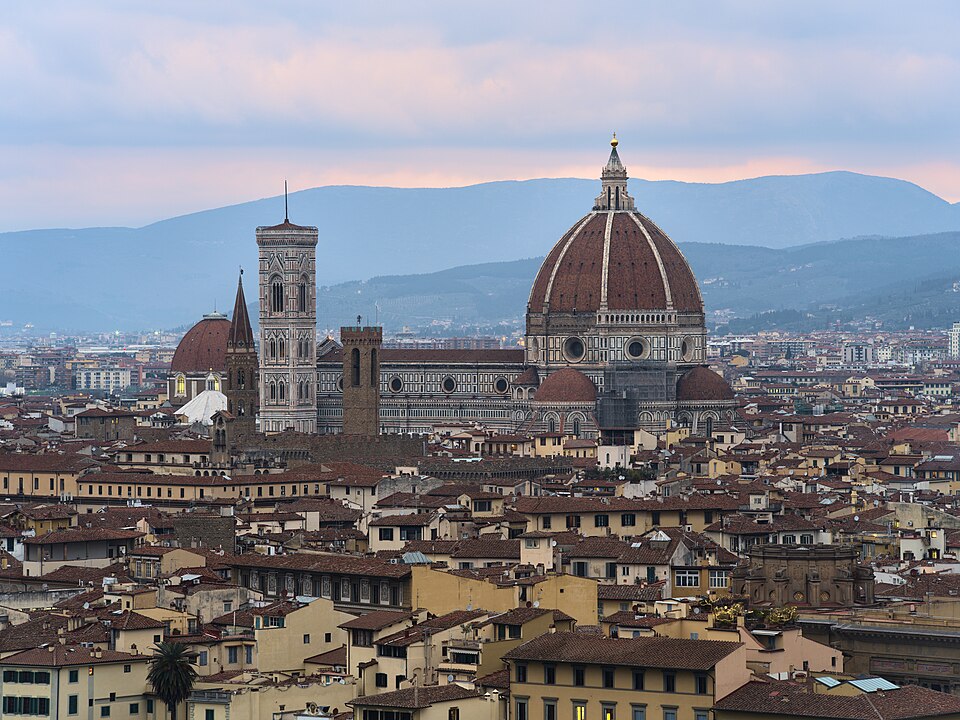
A new law restricts the surrounding buildings of the Duomo, in Florence, from short-term rentals
Stay out!
That seems to be the message Italy is sending to people from all over the world, especially Americans, in a slate of new rulings on national and local levels. Dual citizenship has been all but revoked. Venice has entrance fees. It costs money just to see the Roman Forum and Trevi Fountain.
And now…you can’t stay in the center of Florence in a lower priced, short-term rental such as Airbnb or VRBO.
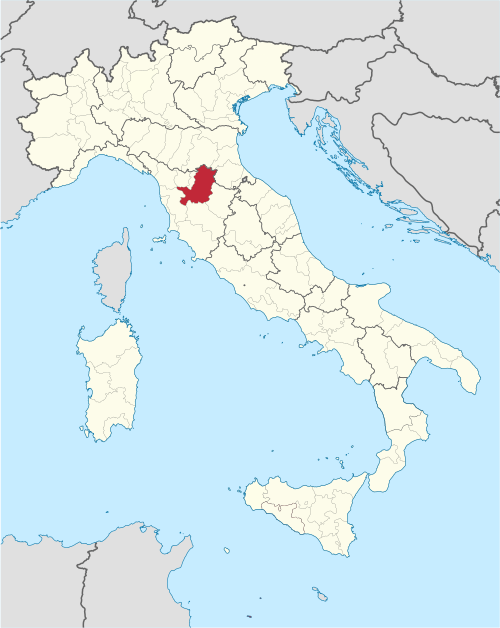
This past week, a regional court in Tuscany upheld Florence’s aggressive restrictions on short-term tourist rentals. Airbnb and VRBO must stay out of Florence’s UNESCO-protected historic centers. The court rejected 19 legal challenges brought by property owners and rental interests. The decision marks Europe’s most significant effort to rein in the explosive growth of Airbnb- and VRBO-style tourism apartments.
A new law restricts the surrounding buildings of the Duomo, in Florence, from short-term rentals
⸻
Too Many Visitors
Millions of people come to Florence every year to see the Duomo, Ponte Vecchio, Uffizi Gallery, and other areas of the city that was once the cauldron of civilization. Florentines had had enough of the tourism rush. City officials argued that tourism itself had consumed the very Florence visitors came to experience.
At the center of controversy were San Francisco-based Airbnb and Austin-based VRBO. Short-term rental platforms were said to have transformed Florence into a glut of one room apartments and shared bathrooms for Millennials and Generation Zers. Enough was enough—new laws were passed to rein in this trend of quick-stay rentals.
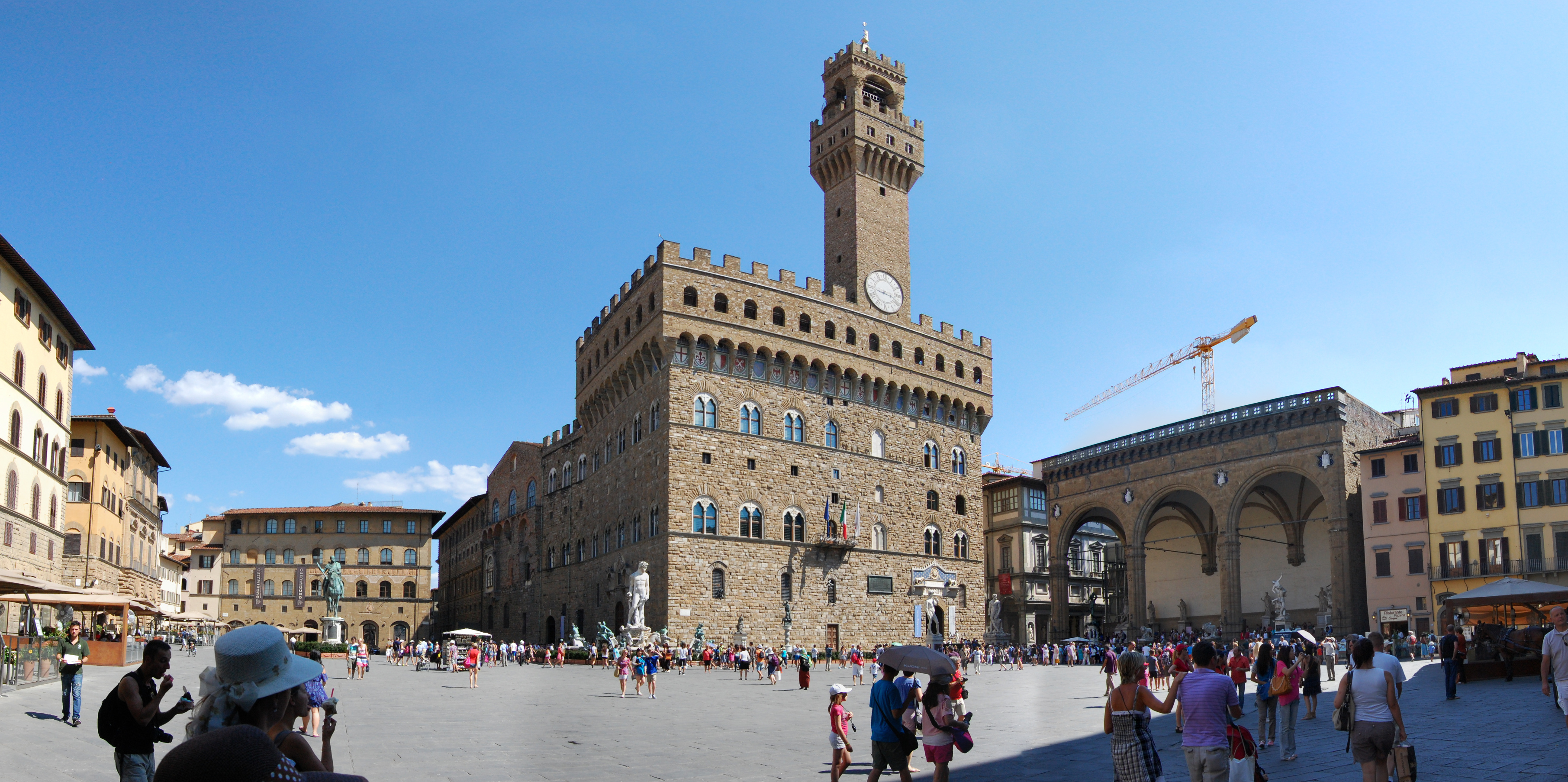
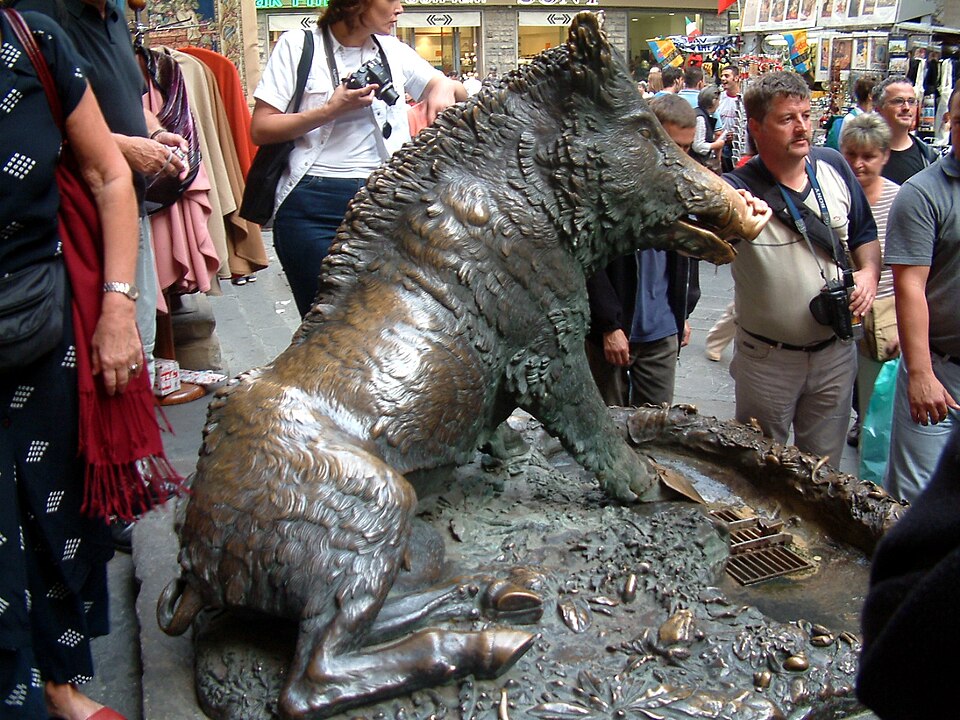
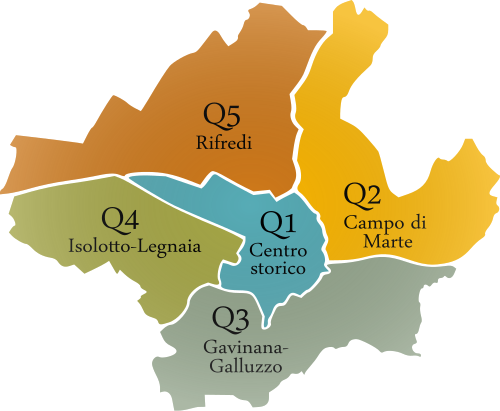
Short-term rentals are restricted in-and-around the Ponte Vecchio and other areas in the center of Florence
______
Nuovo Norme
The new Florence regulations effectively freeze the creation of new short-term tourist rentals inside the UNESCO historic center, known locally as “Zona A.” Property owners who were not already legally operating tourist rentals before the restrictions face major obstacles in converting apartments into Airbnb-style accommodations.
Existing operators may continue renting, but under stricter conditions. Not any type of apartment room can be rented. The new law stipulates size requirements and limits the number of people who can stay at a place. Registration numbers must be acquired by the property owner for a five-year period before renewal.
The city also moved against the now-famous lockboxes attached to historic buildings throughout Florence. These boxes allowed tourists to check themselves into apartments without ever meeting a host.
Officials argue that many apartment buildings had essentially become “invisible hotels” operating with little oversight or local accountability.
Florence authorities want tourist rentals to function more like traditional hospitality businesses rather than anonymous, fully automated investment properties


⸻
Areas Most Affected
The restrictions primarily impact Florence’s historic core — one of the most visited urban areas in Europe.
Neighborhoods most affected include: the Duomo district, Santa Croce, San Lorenzo, Piazza della Signoria, and sections of Oltrarno such as Santo Spirito and San Frediano.
The UNESCO center covers only a small area geographically, yet absorbs the overwhelming majority of Florence tourism activity. Officials estimate the district now contains nearly three tourist beds for every resident.
The city reportedly has more than 16,000 registered short-term tourist accommodations overall, with thousands concentrated inside the historic center itself. The result, critics say, has been rising rents, shrinking residential housing, and neighborhoods increasingly dominated by transient visitors rather than permanent residents.
_____
Pro e Contro
The movement was spearheaded by Florence’s center-left political leadership.
Former mayor Dario Nardella, a university professor, unaffected by the new laws, became one of Europe’s most outspoken critics of uncontrolled short-term rental expansion. He said Florence had become an “open-air hotel” to undercut community life.
His successor, Sara Funaro, a health counselor by trade, continued the anti-VRBO campaign. She said she wanted Florence to remain a living city rather than a tourist theme park.
Grassroots activist groups also played a major role. Campaigners publicly marked Airbnb lockboxes with red X’s and staged protests against over-tourism throughout the historic center.
Not everyone supports the crackdown.
Property owners, tourism groups, and short-term rental associations argued the restrictions unfairly target homeowners trying to supplement their income. Critics also contend the measures could reduce affordable lodging options for visitors and hurt the local economy.
Conservatives within the national Italian government denounced aggressive restrictions on private property rights and tourism entrepreneurship.
The legal battle became intense enough that 19 separate appeals were filed against the Florence regulations before Tuscany’s administrative court upheld the city’s authority to impose the restrictions.
______
What This Means for American Tourists
American visitors will still find plenty of accommodations in Florence. Yet, they may have to pay more to stay in such traditional venues as hotels, villas, and agriturismo.
Travelers may encounter fewer Airbnb apartments directly in the historic center, not to mention higher lodging prices. Stricter check-in procedures may cause unnecessary delays to enter the domain.
The era of fully automated tourist apartments — where travelers entered codes into lockboxes without ever interacting with a host — may slowly disappear from central Florence.
The broader debate now stretches far beyond Tuscany. Cities such as Rome, Venice, Bologna, and Milan are considering or implementing similar restrictions. Cities outside Italy see Florence as a template.
The city that gave birth to Michelangelo, Dante, and the Renaissance is now the place to inspire a restrictive, unwelcoming spirit to overtake Europe.
_______
Editor’s Note: The article was published on May 23, 2026.
The photograph of the former mayor of Florence, Dario Nardella, was provided by the European Union press office.
The web site for the Associazione Italiana Gestori Affitti Brevi (Italian Association of Short-Term Rental Managers), an organization opposing the new restrictions is https://aigab.it
READ HERE THE NEW EDITION - FIRST 2026 PRIMO
—————————————————————————————————————————————————————————————————————————————
Please visit our DVDs Page to shop our latest collection of DVDs on all things Italian: Films from Italy's Golden Age, Documentaries on Italian American life, ancient Rome, and religion.


Please visit our Books' page to review our latest inventory of books on all things Italian: cookbooks, history, art and culture.

Other articles to read...