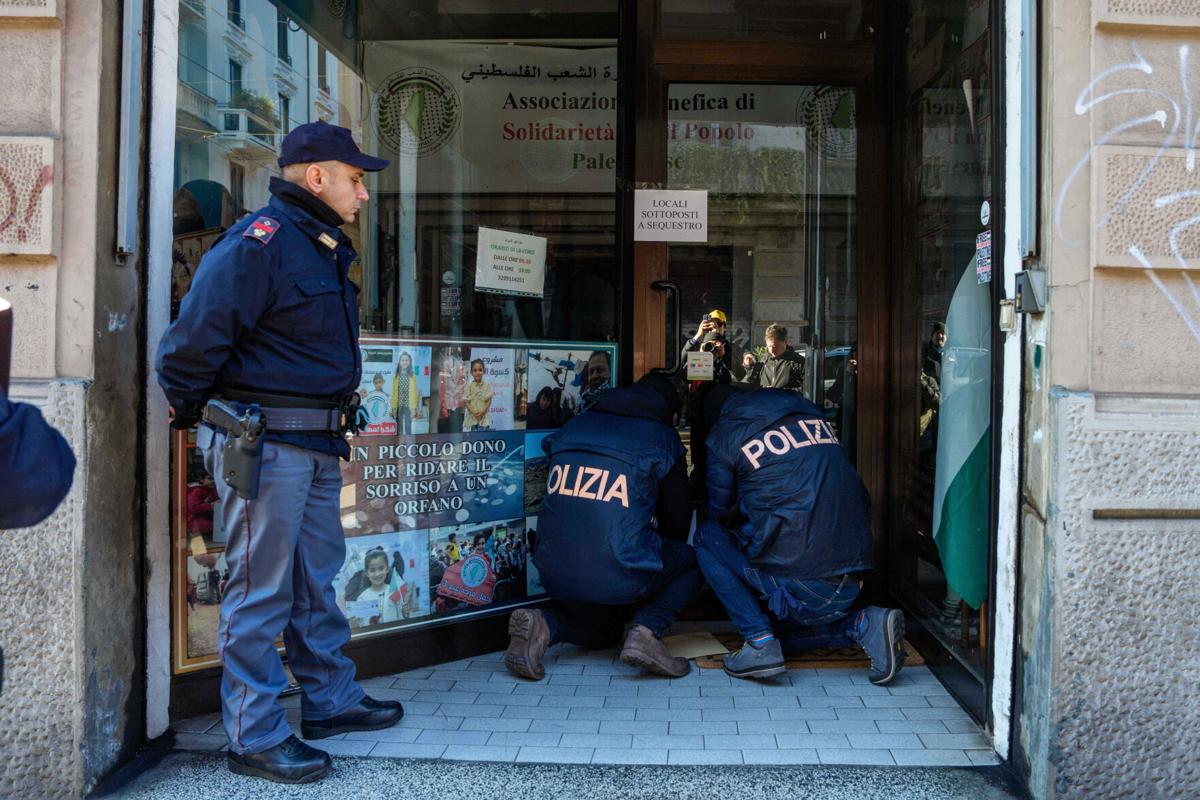
Italian prosecutors have launched one of the most significant counter-terrorism financing investigations in years, alleging that millions of euros raised under the banner of humanitarian aid were secretly diverted to organizations linked to Hamas, designated a terrorist group by the European Union, the United States, and Italy.
The case — centered in Genoa but coordinated at the national level — drew international attention because of large sums involved. The case underscores how Italy’s justice system handles terrorism financing, a subject often misunderstood outside Europe.
Among those arrested were Mohammad Hannoun, president of Associazione dei Palestinesi in Italia (Association of Palestinians in Italy), Ra'Ed Hussny Mousa Dawould, a Palestinian activist based in Italy, Raed Al Salahat, Yaser Elasaly, and Jaber Abdelrahim Albustanji Riyad, activists and fund raisers for Palestinian causes in Italy and elsewhere in Europe.
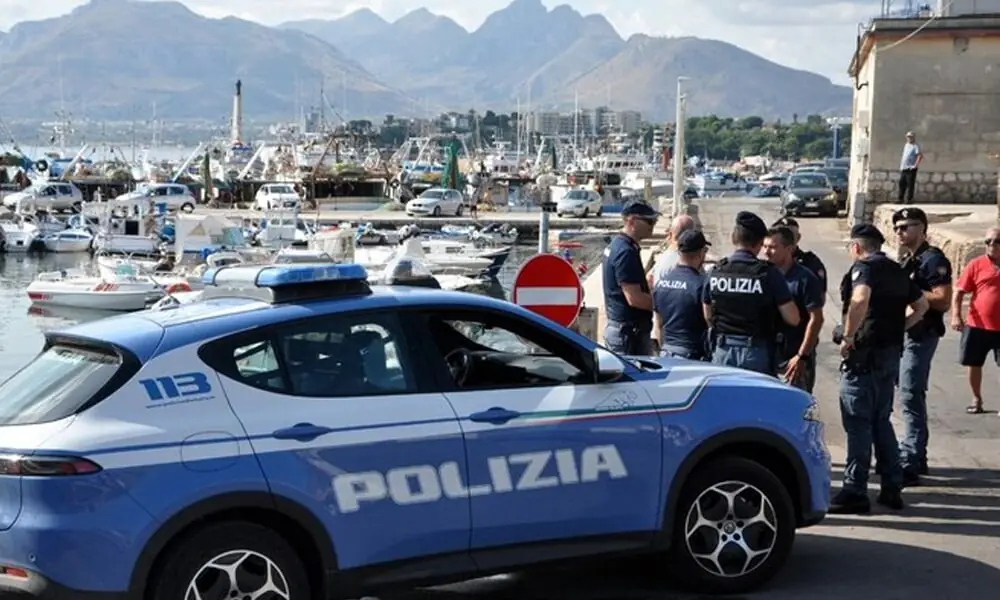
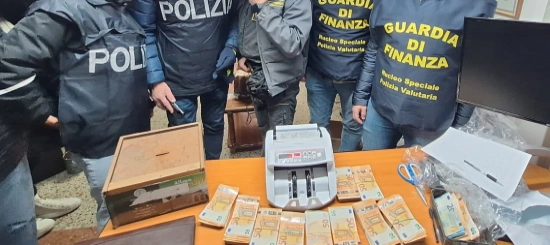
Italian police are shown raiding charities believed to be linked to Hamas.
⸻
Give to Hamas
According to prosecutors, a network operating through Italian-based charities collected millions of donations claimed ashumanitarian assistance for Palestinians. Investigators allege that a significant portion of these funds was instead transferred — through intermediaries and complex financial routes — to groups in Gaza believed to be controlled or influenced by Hamas.
Authorities say roughly €7–8 million ($9 million) was raised and partially diverted the past three to five years. Nine individuals were arrested, with additional suspects under investigation. Large asset seizures such asbank accounts and cash holdings were made by the police.
Prosecutors stress that the investigation does not criminalize humanitarian aid or political sympathy for Palestinians. Rather, they argue, the case hinges on knowledge and intent: whether those involved knew that funds were destined for a terrorist organization rather than civilian relief.
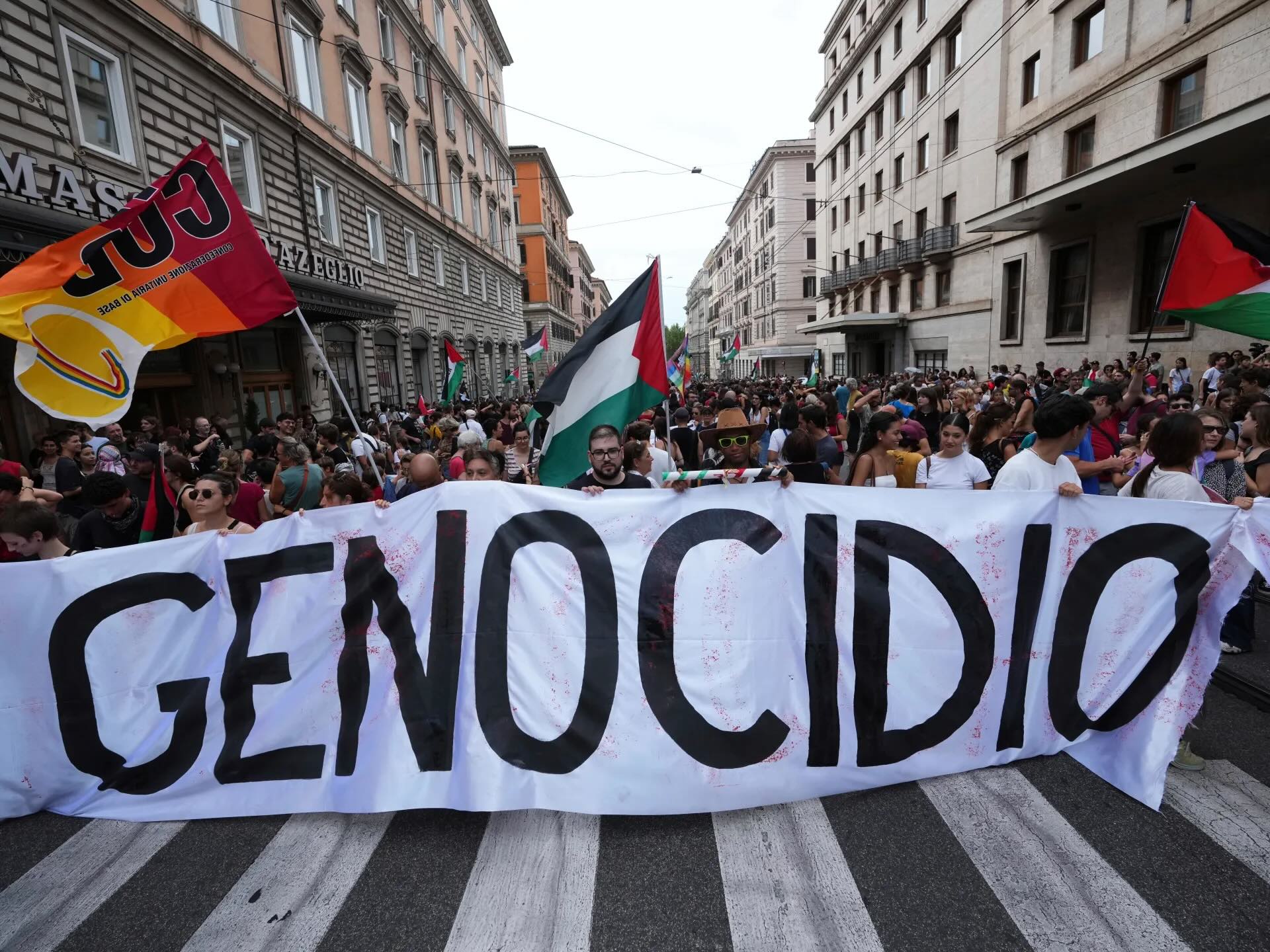
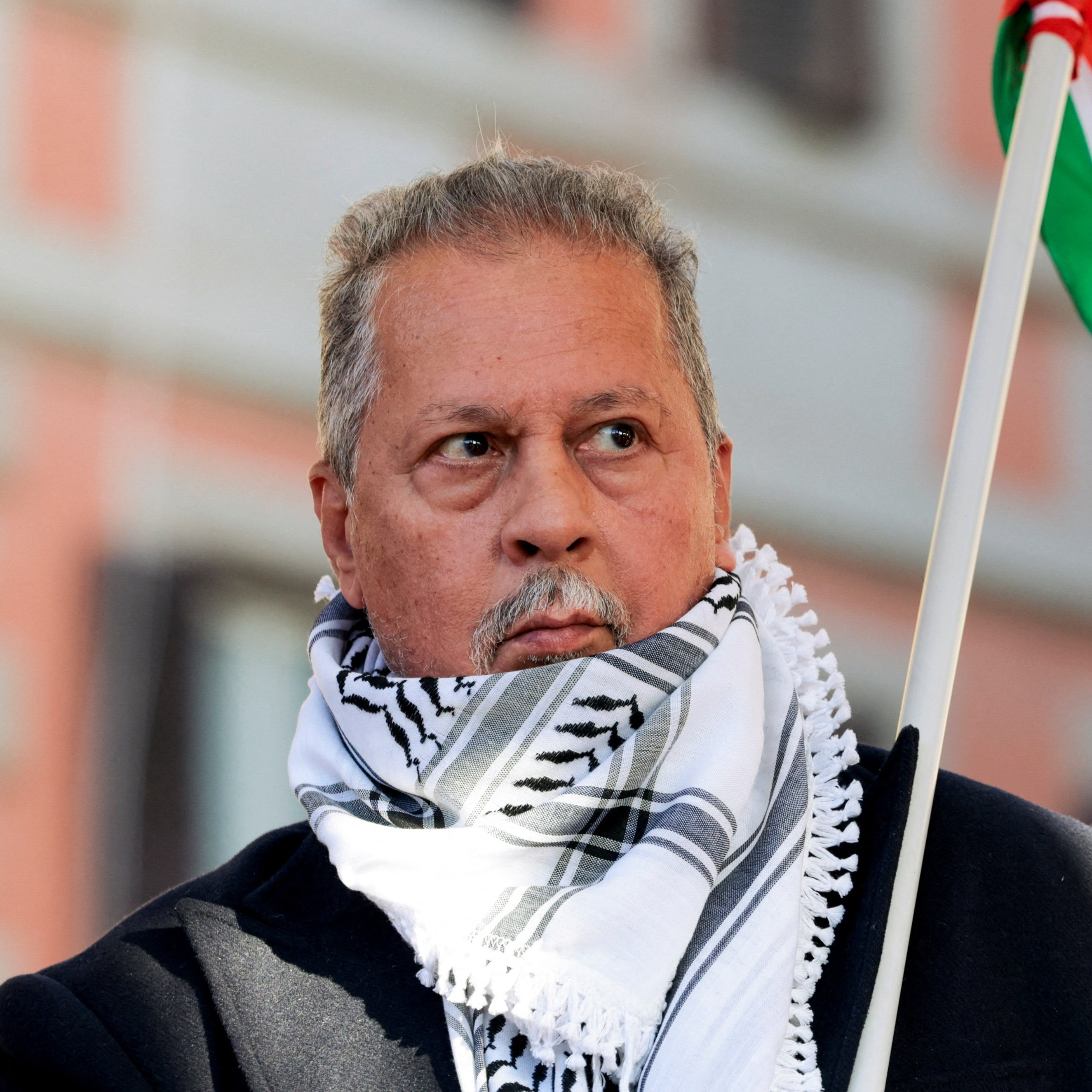
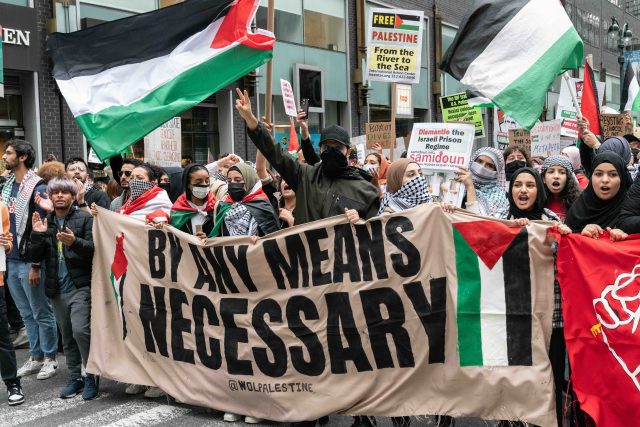
Pro-Palestine protesters in Italy and Mohammad Hannoun
_____
Who Is Leading the Case
The investigation is being coordinated by Italy’s National Anti-Mafia and Counterterrorism Directorate, under the leadership of Giovanni Melillo, Italy’s National Anti-Mafia and Counterterrorism Prosecutor.
On the ground, the case is being prosecuted by the Genoa public prosecutor’s office, headed by Nicola Piacente. Financial investigations are being carried out by the Guardia di Finanza, while arrests and surveillance operations have been handled by Divisione Investigazioni Generalis e Operazioni Speciali, Italy’s specialized counter-terrorism police division.
As is standard in Italy, the names of individual investigators are not publicly released.
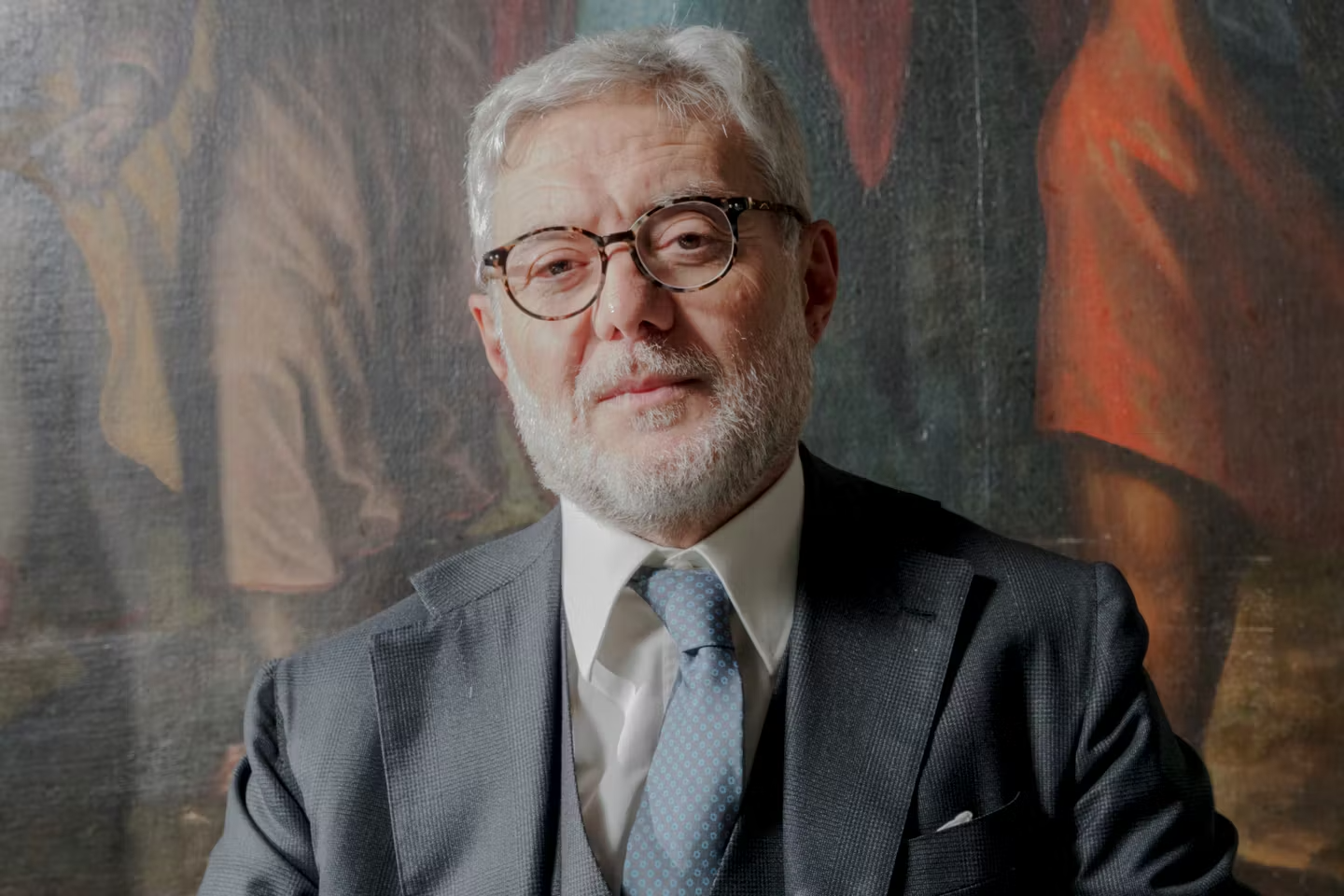
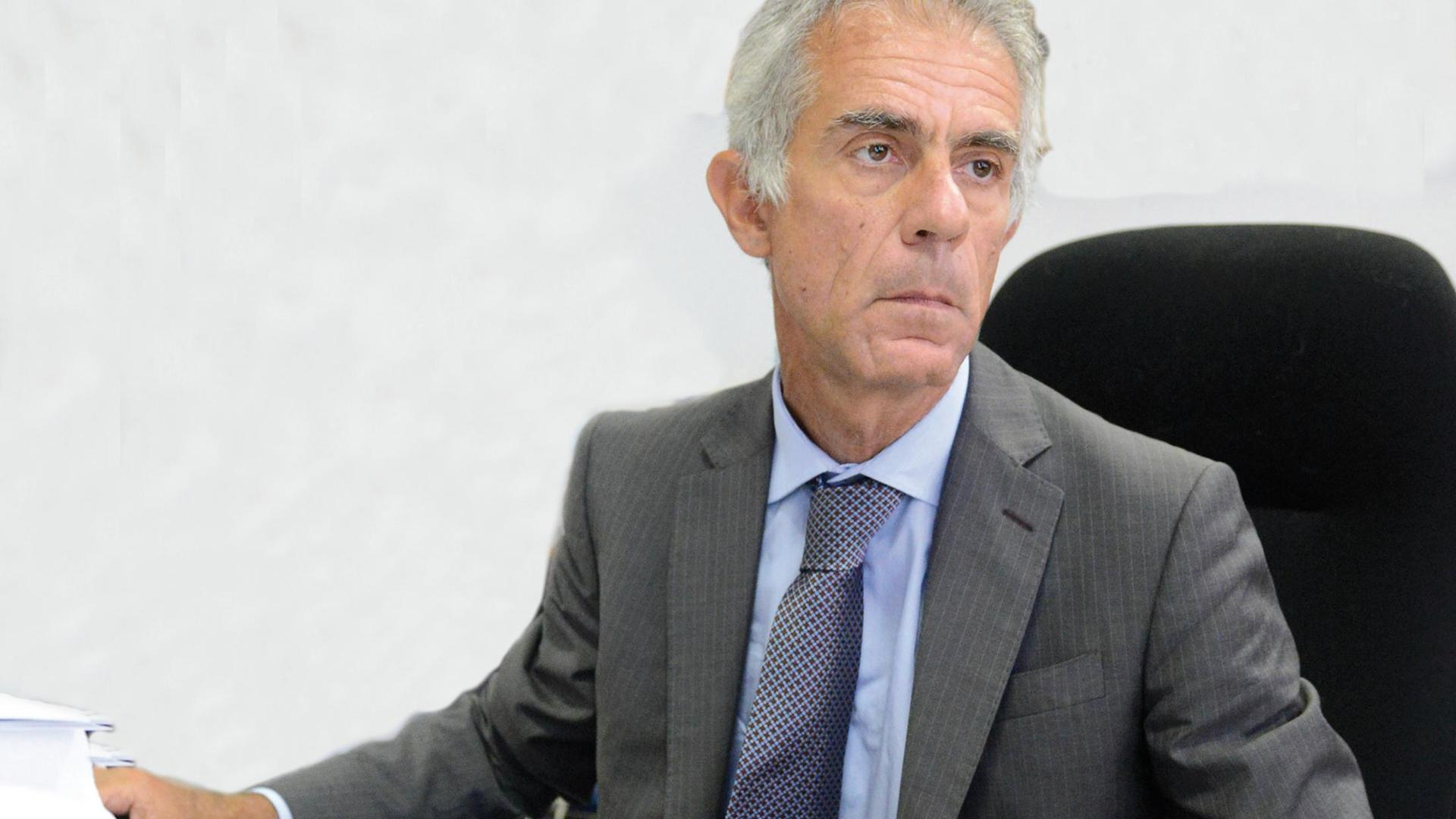
Italian prosecutors who are taking down Hamas: Giovanni Melillo and Nicola Piacente
Money for Terrorism
Italian law treats terrorism financing as a serious standalone crime. Prosecutors are proceeding under articles of the Italian Criminal Code that criminalize:
• Financing of terrorism, even without proof that money was used in a specific attack
• Association with a terrorist organization, when activity is organized and continuous
• Money laundering and concealment of funds
• Fraud, when charitable donors are misled about the destination of funds
Convictions can carry sentences ranging from 7 to 20 years, depending on an individual’s role in the alleged network. Courts may impose permanent asset forfeiture and dissolve organizations found to have served as fronts.
A Country without Bail
For American readers, one of the most striking differences is Italy’s lack of a U.S.-style bail system.
Italy does not routinely allow defendants to post money for release before trial. Instead, judges impose precautionary measures based on risk: detention, house arrest, or judicial supervision. In terrorism cases, pre-trial detention is common, and the posting of money alone does not secure release.
This system reflects a legal philosophy focused on preventing danger, rather than simply ensuring a defendant’s appearance in court.
Justice Grinds On
Italian justice moves deliberately — often frustratingly so by American standards.
A terrorism financing case of this scale typically unfolds over five to seven years. In Italy, investigations broaden after arrests. There will be a preliminary hearing to determine whether the case proceeds to trial. If so, the case may last several years. Afterward, there are two levels of appeal. Final judgments in complex cases often come a decade after the alleged conduct began.
⸻
Do Convicted Defendants Get Parole?
Italy has no parole boards like those in many U.S. states. Instead, early release is handled judicially.
Convicted prisoners may earn automatic sentence reductions for good behavior — roughly 45 days for every six months served. Conditional release is possible after a portion of the sentence, but terrorism convictions are treated far more strictly. Judges often require clear evidence of rehabilitation and ideological disengagement.
In practice, those convicted of terrorism-related offenses often serve significantly longer portions of their sentences than ordinary offenders.
No Safe Haven for Terrorists
Beyond its immediate legal consequences, the investigation underscores a broader reality: Italy is going beyond other countries in Europe in scrutinizing financial flows connected to Middle Eastern conflicts, particularly when humanitarian language is used.
Italian prosecutors have been careful to frame the case not as a political judgment, but as a legal one. As one official statement emphasized, humanitarian suffering — however real — cannot excuse or conceal the financing of organizations that engage in terrorism.
For Italy, a country with along experience battling organized crime and extremist violence, the message is clear: money is as dangerous as weapons.
Editor's Note: To find out more about Italian police activities please log on to https://www.poliziadistato.it
—————————————————————————————————————————————————————————————————————————————
Please visit our DVDs Page to shop our latest collection of DVDs on all things Italian: Films from Italy's Golden Age, Documentaries on Italian American life, ancient Rome, and religion.


Please visit our Books' page to review our latest inventory of books on all things Italian: cookbooks, history, art and culture.

Other articles to read...