Will Sicily ever belong?
The largest region in Italy was to become part of the peninsula by way of the Messina bridge. Now, that physical and symbolic link is to be severed—thanks to a group of judges in Rome.
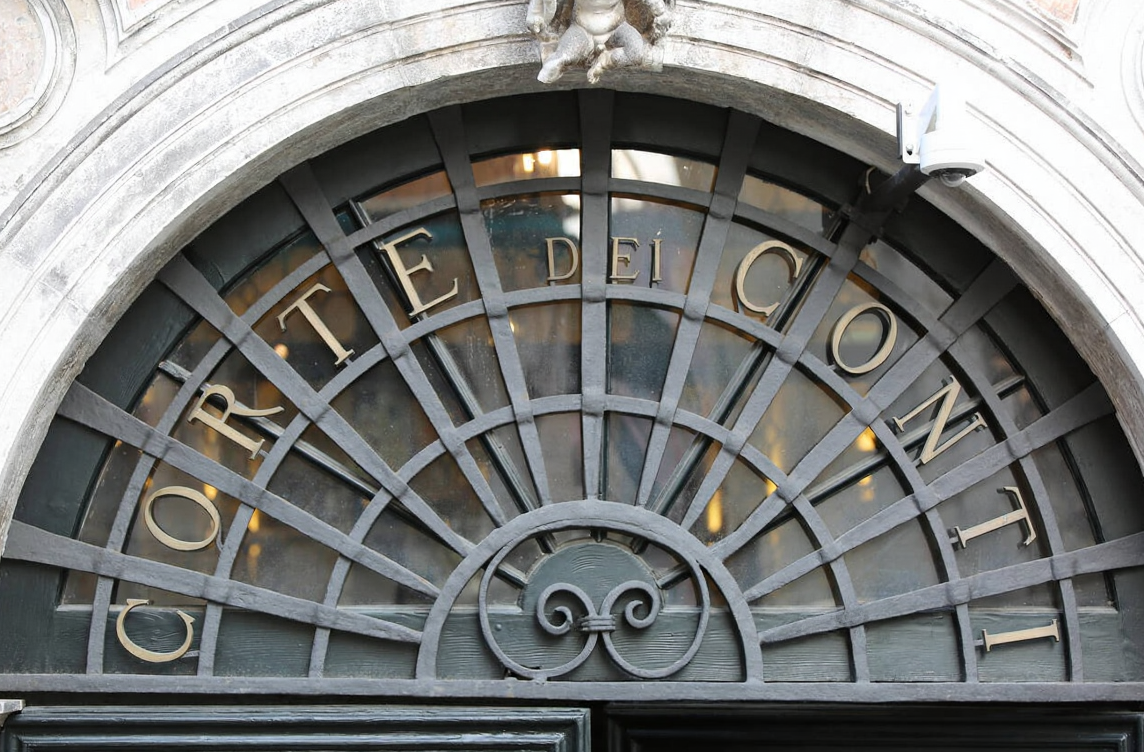
On October 29, 2025, Italy’s Corte dei Conti — the national Court of Auditors — struck a blow to what should have been one of the most transformative public works in modern Italian history. The judges refused to authorize the government’s €13.5 billion plan to build a suspension bridge across the Strait of Messina, connecting Sicily to Calabria and, hence, the mainland.
The decision does not kill the project outright, but it freezes the effort indefinitely. Prime Minister Giorgia Meloni, who backs the Messina Bridge, vowed to continue construction, no matter the ruling.
⸻
A Judiciary Out of Order
The court provided only a summary of their ruling to the press. The full report of their verdict should be available in 30 days. In short, the court questioned whether the government had relied on an outdated bid dating back to 2005. The judges demanded new fiscal documentation. They cited “severe budgetary risks.”
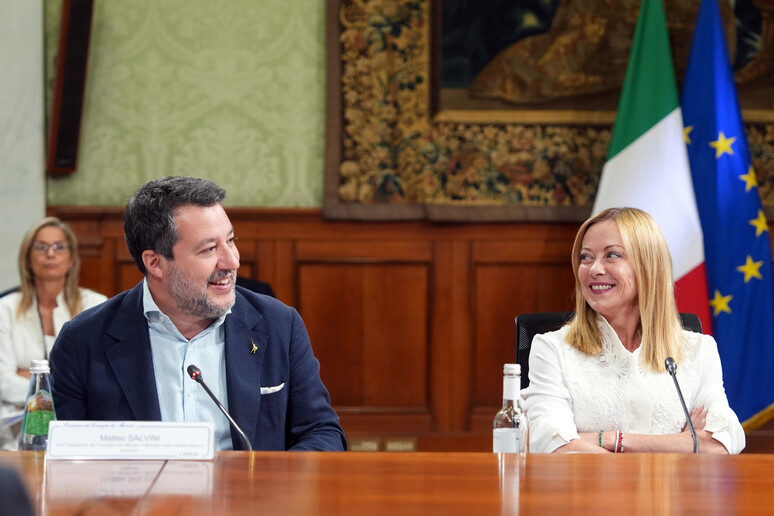
Deputy Prime Minister and Transport Minister Matteo Salvini, the bridge’s chief advocate, called the ruling “political rather than technical.” Prime Minister Giorgia Meloni went on social media to denounce the ruling as a nitpicking encroachment by the judiciary branch. “To get an idea of the pettiness,” of the auditing court, she wrote, “one of the criticisms concerned the transmission of voluminous documents via links, as if the accounting judges were unaware of the existence of computers.”
⸻
A Bridge Too Audited
Italy has no shortage of engineers capable of spanning three kilometers (1.8 miles) of water. What she lacks is a system capable of deciding. The Messina project has spent half a century drifting through layers of Italian oversight — ministries, regional commissions, environmental panels, EU directives, and courts. Every box must be stamped; every stamp can be challenged.
Unlike in the United States, where once environmental review is cleared, the project moves ahead, Italy’s Corte dei Conti retains veto power over expenditures. Environmental groups file appeals in the Tribunale Amministrativo Regionale; local governments demand fresh impact studies; and each new administration reopens the file. By now, the Strait of Messina has been bridged only by paperwork.
⸻
The Irony of “Il Ponte”
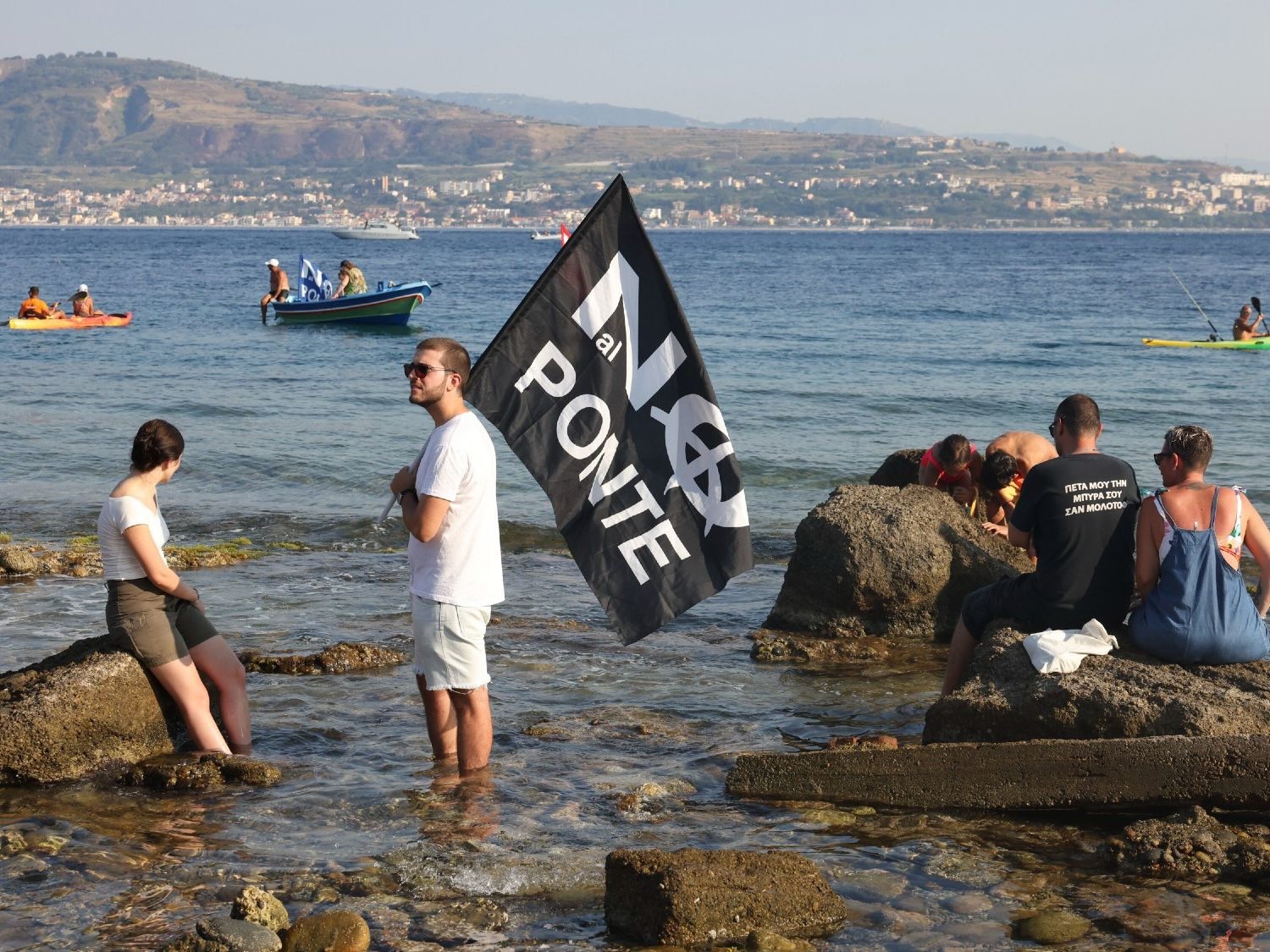
No natural barrier explains why Sicily remains separated from the mainland in the 21st century. The distance between Villa San Giovanni and Messina is a mere 3.3 kilometers — shorter than many non-suspension bridges already built in harsher conditions. Japan’s Akashi Kaikyō Bridge endures typhoons and magnitude-8 earthquakes. The Golden Gate Bridge straddles active fault lines and fierce windstorms. Yet Italy, birthplace of Leonardo da Vinci, still ferries passengers across the same narrow strait that the Romans crossed with boats lashed together.
Every cancelation of the Messina Bridge deepens not only an infrastructural gap but a psychological one. Sicily — the cultural cradle of Magna Graecia, the pearl of the Mediterranean — remains physically unlinked to the Italian mainland. The absence of a bridge is more than an inconvenience; it is a national metaphor. Bureaucracy, not geography, is the key reason why Sicily remains detached and isolated.
⸻
Process Over Progress
Critics of the court’s decision point to what they call “the tyranny of procedure.” Italy’s obsession with oversight grew from legitimate fear of corruption into paralysis. Projects die not because they are impossible, but because too many agencies are empowered to stop them.
Each time the Messina Bridge is revived, new studies, tenders, and legal challenges push the project back another decade. By now, Italy could have built several bridges — or even a tunnel — across the Strait. Instead, Italy remains a country where the dream of connection is smothered by caution.
⸻
Stagnation Nation
The consequences extend beyond engineering. Sicily’s isolation weakens trade, depresses job growth, and symbolically relegates the island to third world status. The bridge would have shortened the distance between north and south not just in kilometers, but in opportunity. The bridge’s absence says something deeper about a nation unsure of its own willpower — capable of genius, but immobilized by fear of error.
If the Golden Gate was America’s declaration of confidence, the unbuilt bridge of Messina is Italy’s confession of doubt.
—————————————————————————————————————————————————————————————————————————————
Please visit our DVDs Page to shop our latest collection of DVDs on all things Italian: Films from Italy's Golden Age, Documentaries on Italian American life, ancient Rome, and religion.

Please visit our Books' page to review our latest inventory of books on all things Italian: cookbooks, history, art and culture.


Other articles to read...