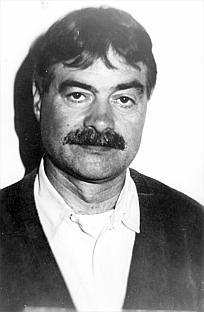
Benedetto "Nitto" Santapaola
The emperor is dead.
A criminal empire alleged to have arisen from Eastern Sicily to stretch across the globe, has lost one of its most powerful leaders.
Benedetto “Nitto” Santapaola has passed at the age of 87. Nicknamed “il cacciatore,” for his zeal in hunting small game and rivals, he was one of the most feared and powerful figures in the long and violent history of the Sicilian Mafia.
Benedetto "Nitto" Santapaola
⸻
Death in Milan
Italian law enforcement said Santapaola stood at the center of organized crime with rackets rooted in extortion, drug trafficking, and political influence. His name remains associated with some of the darkest moments in Italy’s struggle against Cosa Nostra.
Santapaola died in Milan’s San Paolo hospital after being transferred from the high-security Opera prison, where he had been serving multiple life sentences. Authorities ordered an autopsy following his death. In recent years the aging boss suffered from severe diabetes. Repeated appeals to soften his prison conditions were denied by the courts amid concerns he might still exert influence over his criminal organization.
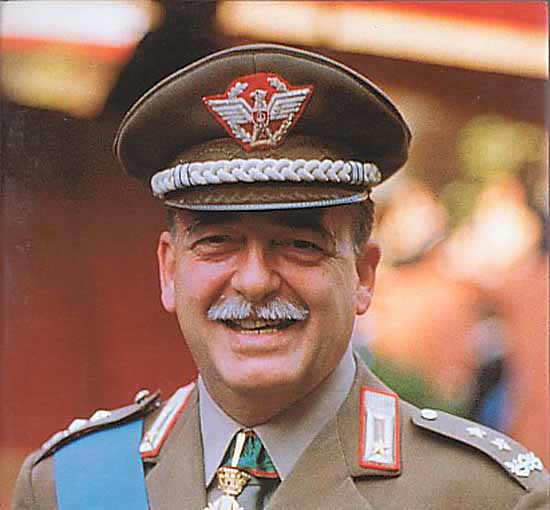
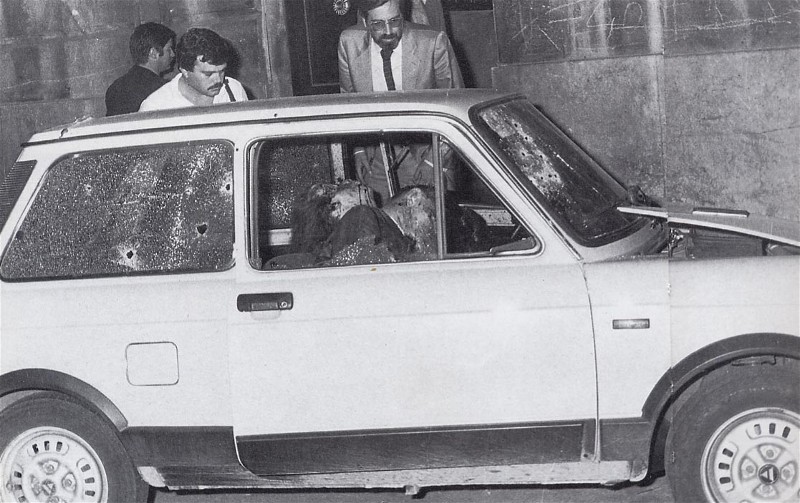
General della Chiesi murdered by the Cosa Nostra in 1982
_____
Corleonesi Alliance
Born in Catania in 1938, Santapaola rose to prominence during the turbulent decades when Mafia families battled fiercely for control of Sicily. He came to the attention of the Carabinieri after he was suspected of controlling a large portion of the illegal cigarette trade in Sicily. By the late 1970s he had emerged as the dominant boss in Catania, heading what investigators later described as the Santapaola-Ercolano clan. Under his leadership, the organization expanded its reach into construction contracts, extortion networks, and narcotics trafficking while cultivating ties with legitimate businesses and political figures.
Santapaola aligned himself with the powerful Salvatore “Totò” Riina and the Corleonesi faction. In return for his loyalty, he was allowed full reign over Cosa Nostra in Catania. He was a key figure in the violent Second Mafia wars of the late 1970s and 1980s. Rivalries with clans such as the Cursoti, Cappello, and Pillera groups left hundreds dead as criminal factions fought for supremacy in Sicily.
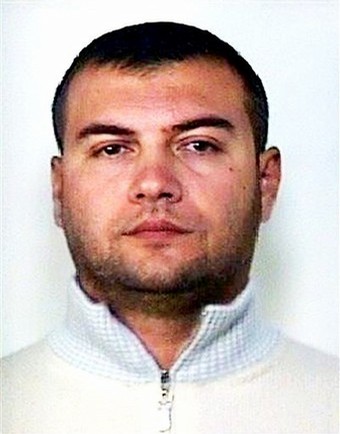
Vincenzo Santapaola, son of Nitto
⸻
Slaughter in Sicily
Italian courts concluded that Santapaola had a hand in numerous murders and acts of terrorism. He was suspected of involvement in the murder of Carabinieri General Carlo Alberto della Chiesa. Appointed prefect of Palermo, Chiesa was considered by many the right man for the job in eliminating Cosa Nostra after he brought down the Red Brigades, the communist terrorist group in Rome, some years earlier. Yet, in Palermo, his enemy was far more lethal than armed ideologues. Chiesa, his wife Emanuela, and his escort were massacred while in their car going to dinner. A man on a motorcycle drove by to unleash into the party some 30 rounds from AK-47 on September 3, 1982.
Santapaola is alleged to have ordered the 1984 assassination of investigative journalist Giuseppe Fava, whose reporting exposed the growing entanglement between Mafia interests and Catania’s business elite. The killing shocked Italy and cemented Santapaola’s reputation as a boss willing to silence critics.
Prosecutors identified Santapaola as one of the Mafia leaders involved in the 1992 bombing that killed anti-Mafia magistrate Giovanni Falcone, Falcone’s wife Francesca Morvillo, and three members of their security detail in the Capaci bombing. The attack, carried out on a highway near Palermo, stunned the nation and provoked an unprecedented crackdown on organized crime. Santapaola was also convicted in connection with the Via D’Amelio bombing, which killed magistrate Paolo Borsellino only weeks later.
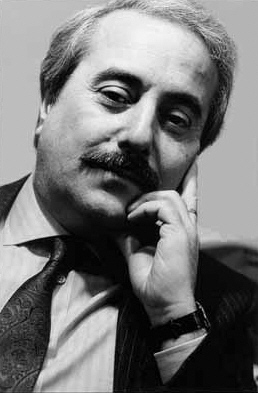
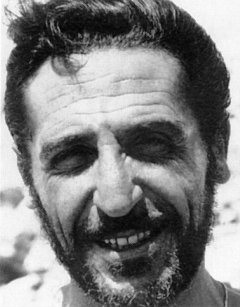
Prosecutor Giovanni Falcone and journalist Giuseppe Fava
____
Arrested and Imprisoned
As pressure from investigators intensified, Santapaola disappeared into hiding. For 11 years he remained one of Italy’s most wanted fugitives. The police eventually tracked him down on May 18, 1993, in a farmhouse near Mazzarrone outside Catania. He was arrested by the Gruppo di Intervento Speciale, the elite commandos of the Carabinieri. This represented a significant victory for Italian authorities during a period when the state was determined to dismantle the Mafia’s leadership.
Santapaola spent the remaining decades behind bars, the titular head of the criminal family, while his son, Vincenzo, ran day-to-day operations, according to authorities.
Santapaola’s death marks the end of an era of criminal life in Sicily. His deadly reign remains a stark reminder of the struggle Italy endures in confronting the power of organized crime.
—————————————————————————————————————————————————————————————————————————————
Please visit our DVDs Page to shop our latest collection of DVDs on all things Italian: Films from Italy's Golden Age, Documentaries on Italian American life, ancient Rome, and religion.
Please visit our Books' page to review our latest inventory of books on all things Italian: cookbooks, history, art and culture.

Other articles to read...