The Kalashnikov gang.
That was their moniker on the street. They were mafiosi armed with AK-47 assault rifles, as invented by Mikhail Kalashnikova, a general in the Soviet army. The rapid fire firearm was prized by this specific clan to intimidate local businesses into complying with extortion threats.
Members of the Kalashnikov gang are now in police custody—another blow to Sicily’s Cosa Nostra at the hands of Italian authorities.
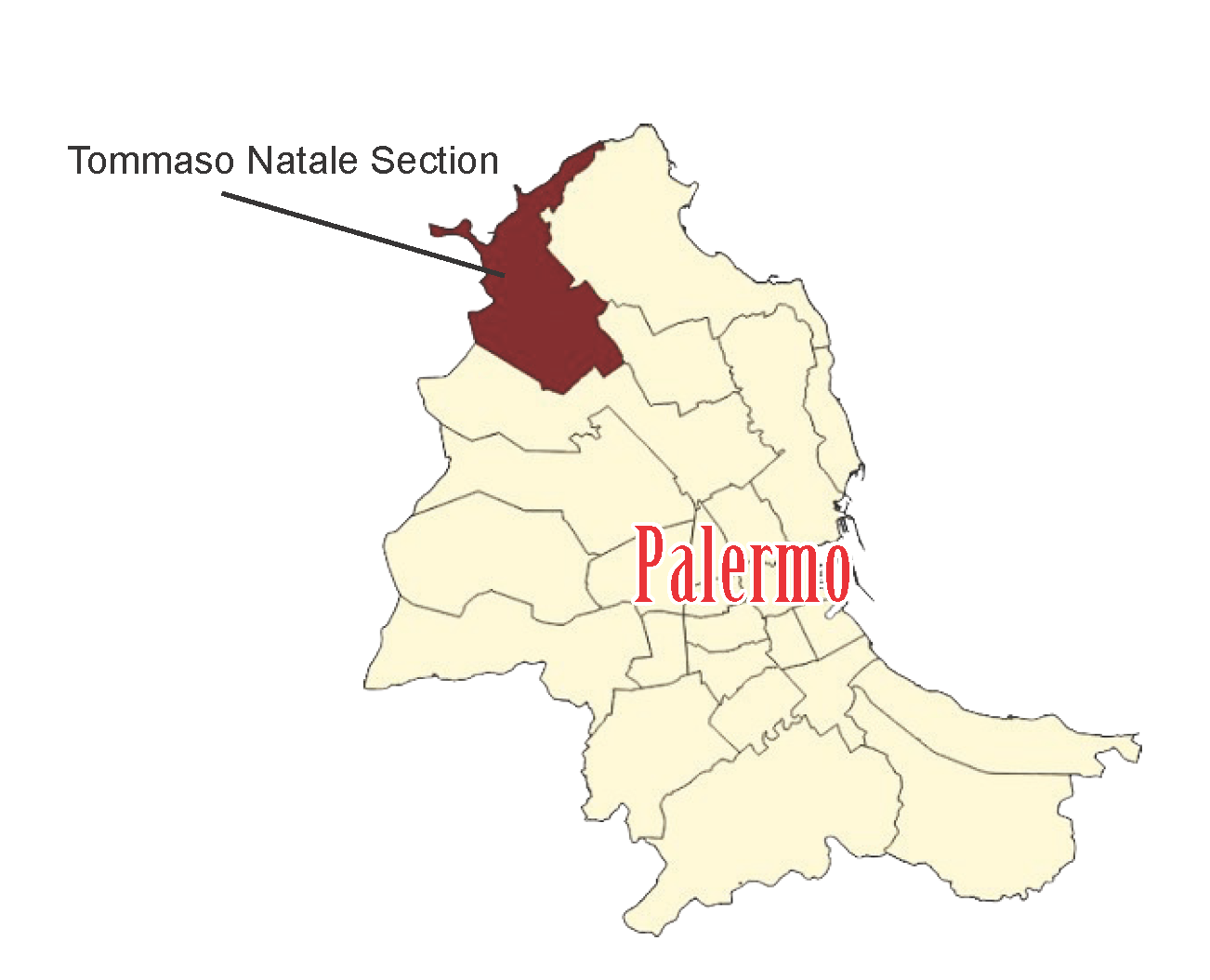
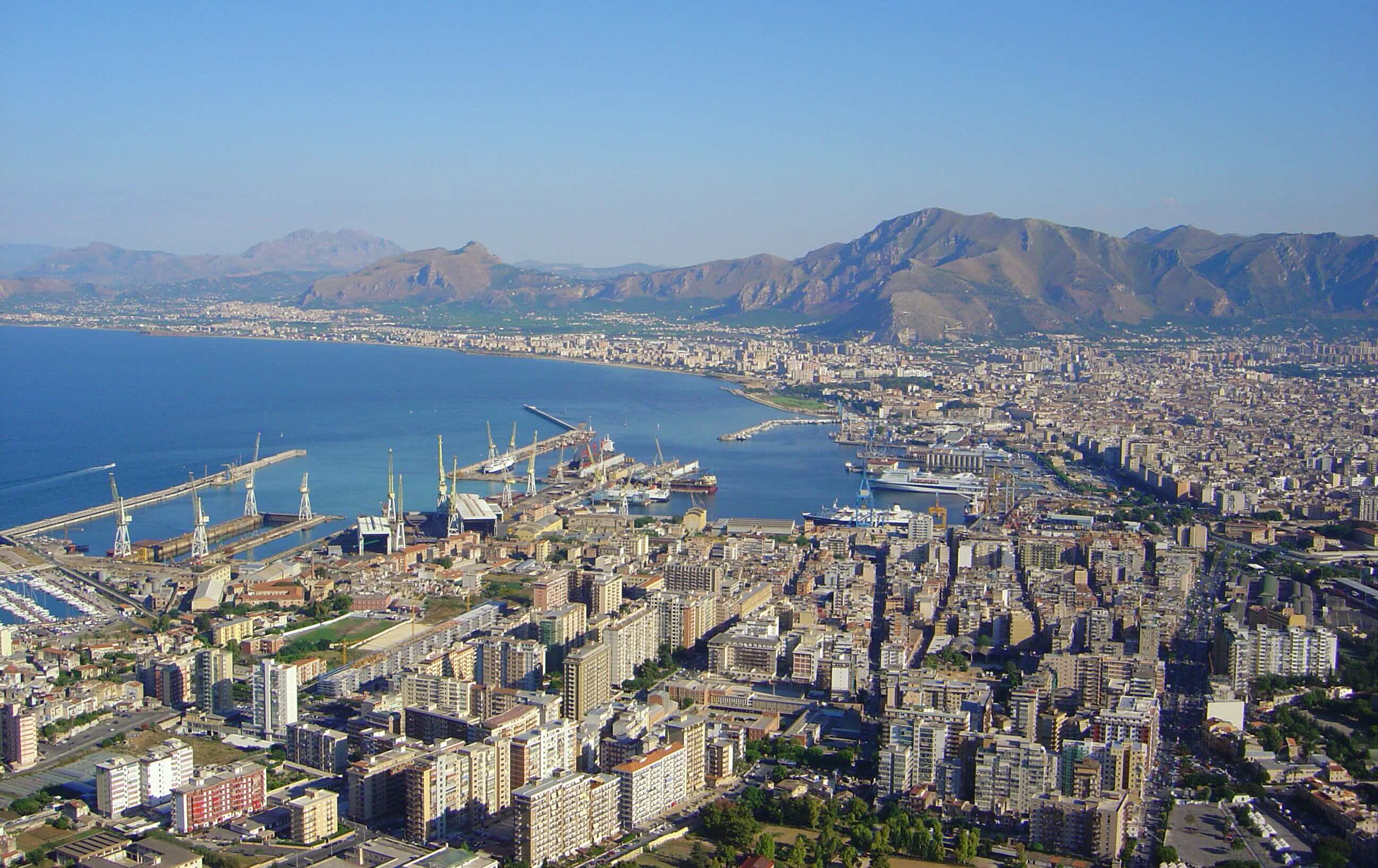
Police raided two of Palermo's most historic mafia organizations—the San Lorenzo and Tommaso Natale families—on July 13.
The coordinated operation by law enforcement resulted in 21 men and one woman (Maria Claudino) arrested for alleged crimes ranging from extortion and drug trafficking to illegal gambling and organized criminal association. Some 1200 police were utilized for the ground assault to capture the suspects. Investigators say this particular criminal enterprise was managed from behind bars by Salvatore Verga, a 37-year-old convicted drug trafficker who relied on smartphones smuggled inside for him to give orders to underlings.
⸻
Takedown In Tommaso Natale
The catalyst for today’s raid was a handwritten ledger found inside a mafiaosi’s jail cell. The names of businesses were listed with extortion fees paid to certain managers and higher-ups within Cosa Nostra. Police were then able to connect the figures within the criminal network as evidence of a massive racket.
Besides Salvator Verga, police allege his relative, Gaetano Verga, as a principal figure, along with Stefano and Maria Claudino, Francesco Albamonte and others. One of the arrested suspects is named Khemais Lausgi, son of Tunisian immigrants. He went by the nickname Almametta, to indicate his importance in a small area of Palermo. His presence within Cosa Nostra may be a sign of immigrants from other countries as acceptable participants with a criminal organization, once exclusively Sicilian.
The San Lorenzo family was not the most powerful of clans in Sicily. Yet, they held enormous influence. Their leader, for many years, was Salvatore Lo Piccolo. Following the arrest of Bernardo Provenzano in 2006, Lo Piccolo was widely regarded as one of the most powerful figures in Cosa Nostra. His influence extended well beyond his own territory, and investigators believed he played a key role in attempting to restore coordination among Palermo's fragmented mafia families.
Lo Piccolo’s reign came to an abrupt end in November 2007 when Italian police captured him, his son Sandro, and several associates in a farmhouse outside Palermo.
The raid produced one of the most remarkable discoveries in modern anti-mafia investigations.
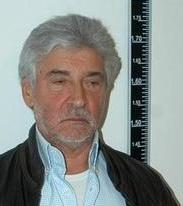
Salvatore Lo Piccolo
______
"Mafia's Ten Commandments"
When Lo Piccolo was arrested in 2007, police discovered a handwritten document dubbed the "Ten Commandments of the Mafia."
Lo Piccolo was believed to have created an internal code of conduct for Cosa Nostra members. He outlined the behavior expected of initiated mafiosi:
1. No one can present themselves directly to another mafia member. An introduction must come through a trusted third party.
2. Never look at the wives of friends. Respect for fellow members' families was considered essential.
3. Never be seen in the company of police officers. Any appearance of cooperation with law enforcement could arouse suspicion.
4. Do not frequent pubs or clubs. Members were expected to avoid places where they might attract attention or become vulnerable.
5. Always be available for Cosa Nostra—even if it means putting aside family obligations.
6. Appointments must always be respected. Punctuality and reliability were considered signs of discipline.
7. Treat wives with respect.
8. When asked for information, tell the truth—at least within the organization. Lying to fellow members was forbidden.
9. Do not take money that belongs to others or other mafia families. Theft within the organization was prohibited.
10. Certain people cannot become members of Cosa Nostra, including:
• Anyone with a close relative in the police or judiciary.
• Anyone with close family members who are "unfaithful" or considered morally unreliable.
• Anyone whose personal conduct is considered dishonorable or inconsistent with Mafia values.
To many observers, the document appeared almost paradoxical. It emphasized discipline, loyalty, and "honor" within an organization responsible for murder, extortion, corruption, and drug trafficking. Anti-mafia investigators have long argued that such codes existed not to promote morality but to preserve secrecy, obedience, and organizational stability.
.jpg)
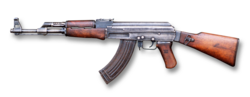
Mikhail Kalashnikova, his invention—AK-47, became the moniker source of a mafia clan in Palermo
_____
All In The Family
The San Lorenzo and Tommaso Natale families represent some of the oldest surviving building blocks of Palermo's Cosa Nostra.
Since 1992, Italy's anti-mafia campaign has remained unusually consistent to continuously weaken organized crime. Cosa Nostra has to operate with greater discretion to pursue traditional criminal activities. They must now rely on quieter methods of accumulating wealth rather than the spectacular violence that once defined the Sicilian Mafia. Extortion, narcotics trafficking, illegal gambling, financial crimes, and infiltration of legitimate businesses often produce enormous profits while attracting far less public attention.
For Italian authorities, dismantling historic families such as San Lorenzo and Tommaso Natale carries strategic importance. These organizations possess decades of institutional knowledge, longstanding criminal relationships, and deep local roots. Nearly forty years after the height of the Mafia wars, Palermo remains both a symbol of Cosa Nostra's violent past and the front line in the continuing struggle to ensure that its future belongs to the rule of law rather than organized crime.
_____
How Cosa Nostra Is Organized
Unlike a street gang, Sicily's Cosa Nostra has traditionally operated as a highly structured organization with defined ranks, territories, and chains of command. Although years of arrests have weakened the Mafia's centralized leadership, many of these structures continue to influence how the organization functions. Authorities believe there are upwards of 50 Mafia “families” in operation in Sicily.
Soldier (Soldato)
The soldato is a fully initiated member of Cosa Nostra. Often referred to as a "man of honor," he carries out the organization's day-to-day activities, including collecting extortion payments, protecting criminal operations, enforcing orders, and participating in illicit enterprises.
Caporegime (Captain)
A caporegime, or captain, supervises a crew of soldiers. He serves as the link between the rank-and-file members and the family's leadership, overseeing criminal operations within his assigned territory.
Underboss (Sotto Capo)
The underboss serves as second-in-command to the family boss, helping manage the organization's affairs and assuming leadership when necessary.
Consigliere
The consigliere acts as a trusted adviser. Traditionally, he mediates disputes, offers strategic counsel, and helps maintain stability within the family.
Family Boss (Capo Famiglia)
Each Mafia family controls a specific geographic territory. The boss directs criminal activities, resolves disputes, approves major decisions, and represents the family in dealings with other Mafia organizations.
Mandamento
Several neighboring Mafia families form a mandamento, or district. The head of the district coordinates activities among the constituent families and serves as their representative in higher-level discussions. The San Lorenzo and Tommaso Natale families are part of one of these historic Palermo districts, which is why investigators often examine them together.
The Provincial Commission
Historically known as La Commissione or La Cupola, the Provincial Commission served as Cosa Nostra's governing body in Palermo. Composed of representatives from the city's various mandamenti, it was created to settle disputes, approve major criminal activities, and reduce violent conflict between families.
For Cosa Nostra, territory is everything. The recent operation targeting the San Lorenzo and Tommaso Natale families is a significant step in freeing these sections of Palermo from criminal control. By dismantling leadership in these longstanding districts, investigators hope to prevent Cosa Nostra from reestablishing stable centers of power in Palermo.
Editor’s Note: The web site for Italy’s carabinieri is: https://www.carabinieri.it
READ HERE THE NEW EDITION - SECOND 2026 PRIMO
—————————————————————————————————————————————————————————————————————————————
Please visit our DVDs Page to shop our latest collection of DVDs on all things Italian: Films from Italy's Golden Age, Documentaries on Italian American life, ancient Rome, and religion.


Please visit our Books' page to review our latest inventory of books on all things Italian: cookbooks, history, art and culture.

Other articles to read...