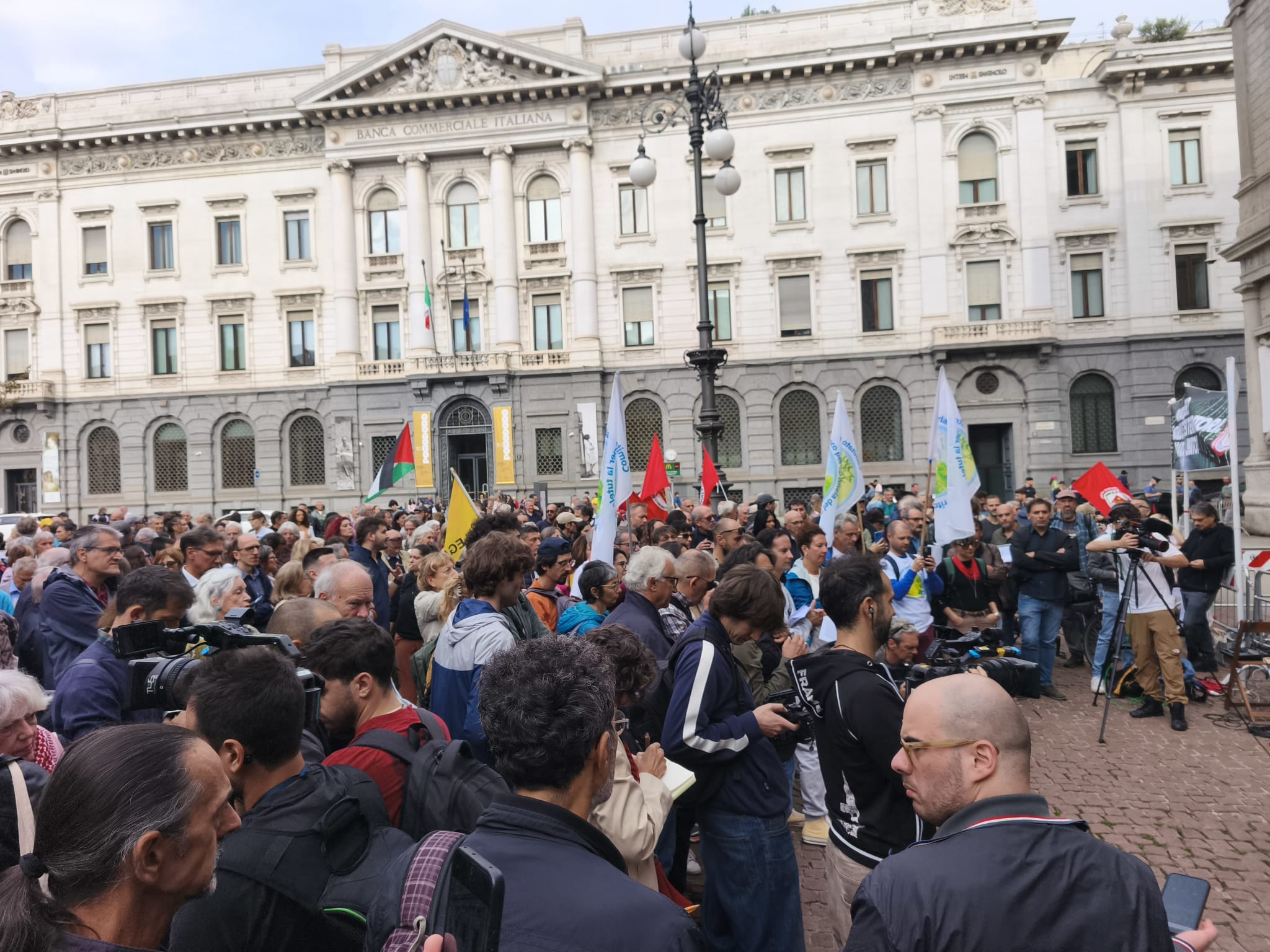
Protest in the Piazza—Demonstrators gather in the Piazza del Duomo in Milan
Europe just can’t please their youth.
France first and now Italy: College age adults took to the streets to riot on October 16. The violence and mayhem continues as of this report.
Milan became a battleground Saturday as protesters beame rioters to clash with police, smash storefronts, loot businesses, and set fires in the historic center of Italy's financial and fashion capital.
The violence erupted around Piazza del Duomo, one of Italy's most celebrated public squares. Young adults—some armed with clubs and makeshift weapons—ran into the surrounding shopping districts, including Corso Vittorio Emanuele II and Piazza San Babila, to vandalize buildings and antagonize police.
What was touted by organizers and the media as a peaceful demonstration against the rising cost of living, gasoline prices, and international conflicts descended into street violence as groups of masked youths confronted police.
Most who are acquainted with Italy’s generous welfare state scratch their collective heads at the riotous anger. What is Italy doing wrong? Italy provides their youth with free college, free health care, universal discounts for all transportation, income support for many eligible students, youth discounts for all museums and cultural institutions, college housing subsidies, and more benefits than most young people get in other countries, including the United States. Why then are young Italians rioting?
The disturbances in Italy coincided with widespread unrest in France, where demonstrations in Paris and other major cities also deteriorated into riots, arson and looting.
In Milan, the demonstration, organized under the banner Italia in Piazza (Italy in the Square), attracted thousands of participants. Groups of young people dressed in black eventually confronted police, throwing stones, bottles, barricades, and explosive devices.
Police responded with tear gas, water cannons and riot-control operations.
Protest in the Piazza—Demonstrators gather in the Piazza del Duomo in Milan
Among the hardest-hit locations was a Foot Locker store near Piazza San Babila. Its windows were smashed, and merchandise was stolen. A Nike store along Corso Vittorio Emanuele II was also damaged, as was La Rinascente, the renowned department store overlooking Piazza del Duomo.
The violence reached the Galleria Vittorio Emanuele II, Milan's magnificent 19th-century shopping arcade, where luxury retailers lowered their security shutters and employees and customers sought shelter.
Outside, overturned café tables, garbage containers and other street furnishings were used to construct barricades. Fires burned in the streets, while broken glass and scattered merchandise littered the sidewalks.
A Carabinieri patrol vehicle was severely damaged during the disturbances.
At least 50 people were detained, approximately half of them minors, according to Italian authorities. Injuries were reported among police officers and demonstrators.
Despite the violence in the historic center, there were no confirmed reports of significant structural damage to Milan's Duomo or the Galleria Vittorio Emanuele II as of Saturday evening.
Italian Prime Minister Giorgia Meloni rightly condemned the rioting. In a social media post, she said, “In Milan, as these images show, stones were thrown at the police, officers were injured, and there was damage and violence. Hooligans are exploiting the demonstrations to sow chaos, attack those responsible for public safety and hold entire cities hostage. Demonstrating is a right. Letting our cities go up in flames is not.”
Milan Mayor Giuseppe Sala, representing the center-left, acknowledged the economic grievances motivating the demonstrations while similarly condemning attacks against police and damage to the city.
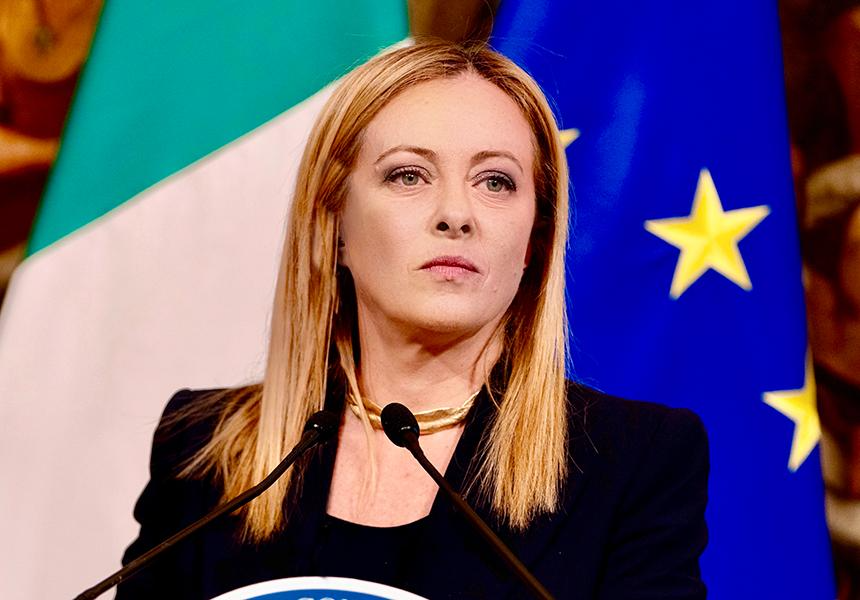
Prime Minister Meloni condemned the rioting
_____
From Paris to Milan
The unrest in Italy coincided with an extraordinary day of demonstrations throughout France.
In Paris, protesters assembled to denounce inflation, declining purchasing power, inadequate public services and government economic policies.
The demonstrations followed weeks of student protests over deteriorating school conditions and insufficient educational resources.
Labor unions, students and supporters of France's Yellow Vest movement participated in the nationwide mobilization.
Violence erupted in Paris, Marseille, Lyon and other cities. Masked rioters attacked police, looted businesses and set fires.
French authorities deployed tear gas and water cannons as the disturbances intensified. The unrest placed additional pressure on President Emmanuel Macron's government as France approaches its 2027 presidential election.
Similar economic frustrations are said to have generated demonstrations elsewhere in Europe, including Belgium and Portugal.
There is, however, no confirmed evidence that the violence in France and Italy was coordinated by a single organization. Rather, the disturbances appear to reflect overlapping grievances across different national protest movements.
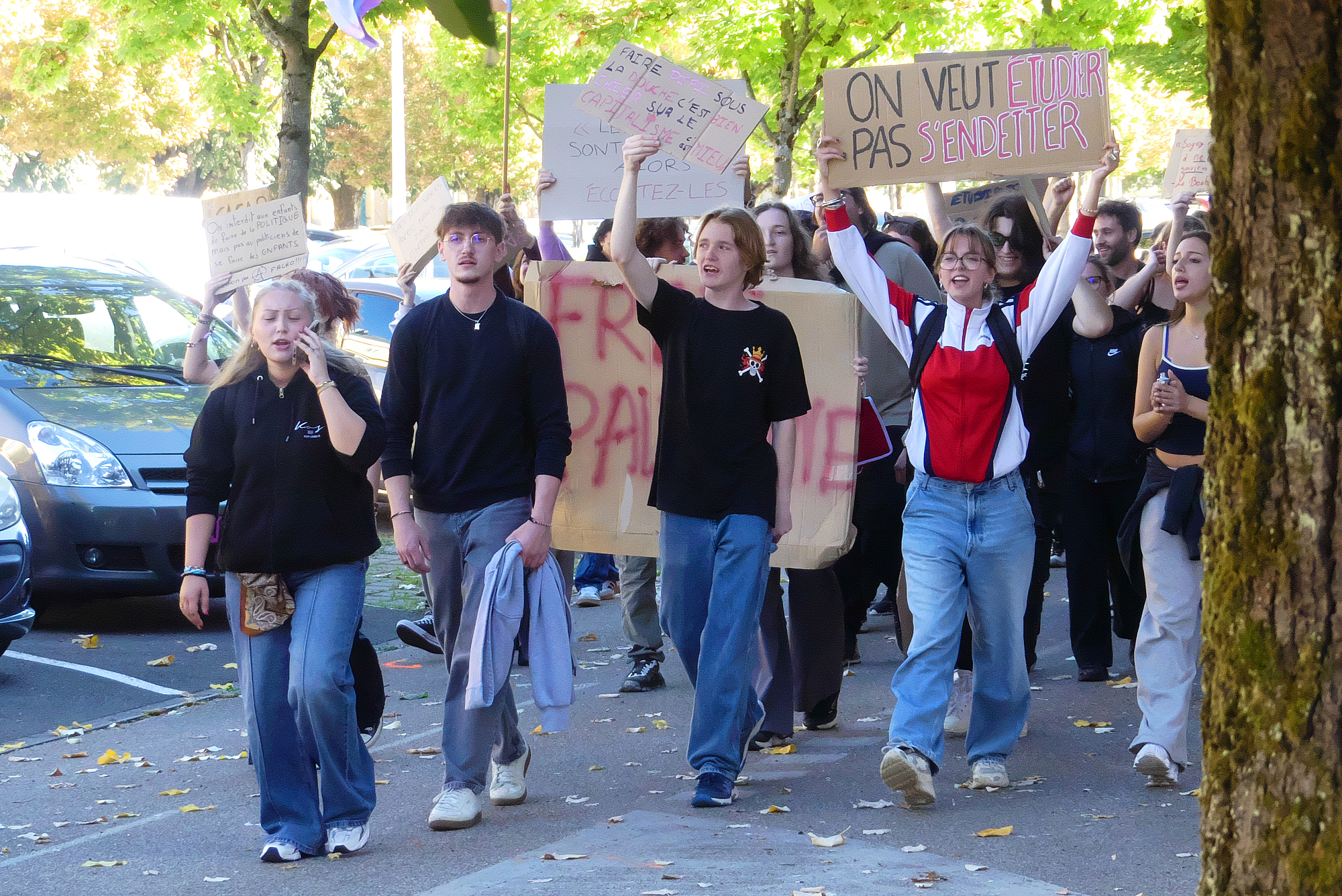
Autumn stroll—Parisian youth protest
_____
Police Must Restore Order
Particularly concerning in Milan was the participation of large numbers of young people, including minors. Italian police reported that groups of youths, some arriving from Milan's suburbs and surrounding communities, had taken control of portions of the demonstration.
The destruction also raises questions about the vulnerability of Italy's historic city centers during periods of civil unrest. Piazza del Duomo and the Galleria Vittorio Emanuele II are more than commercial destinations. They are internationally recognized symbols of Milan's architectural heritage, civic identity and cultural achievements. The spectacle of fires, smashed storefronts and riot police in these surroundings was especially disturbing in a city celebrated for its art, design and history.
Europe's rising living expenses, economic inequality and dissatisfaction with public institutions have created conditions for increasingly confrontational demonstrations.
Whether the unrest represents a temporary eruption or the beginning of a more sustained period of European instability remains uncertain.
For Milan, the immediate consequences were unmistakable: damaged businesses, injured people, disrupted commerce and a historic city center transformed into a scene of disorder.
The grievances that brought thousands into the streets remain unresolved. So, too, does the challenge of protecting the right to peaceful protest while preventing violence against people, businesses and the cultural landmarks that belong to generations of Italians.
_____
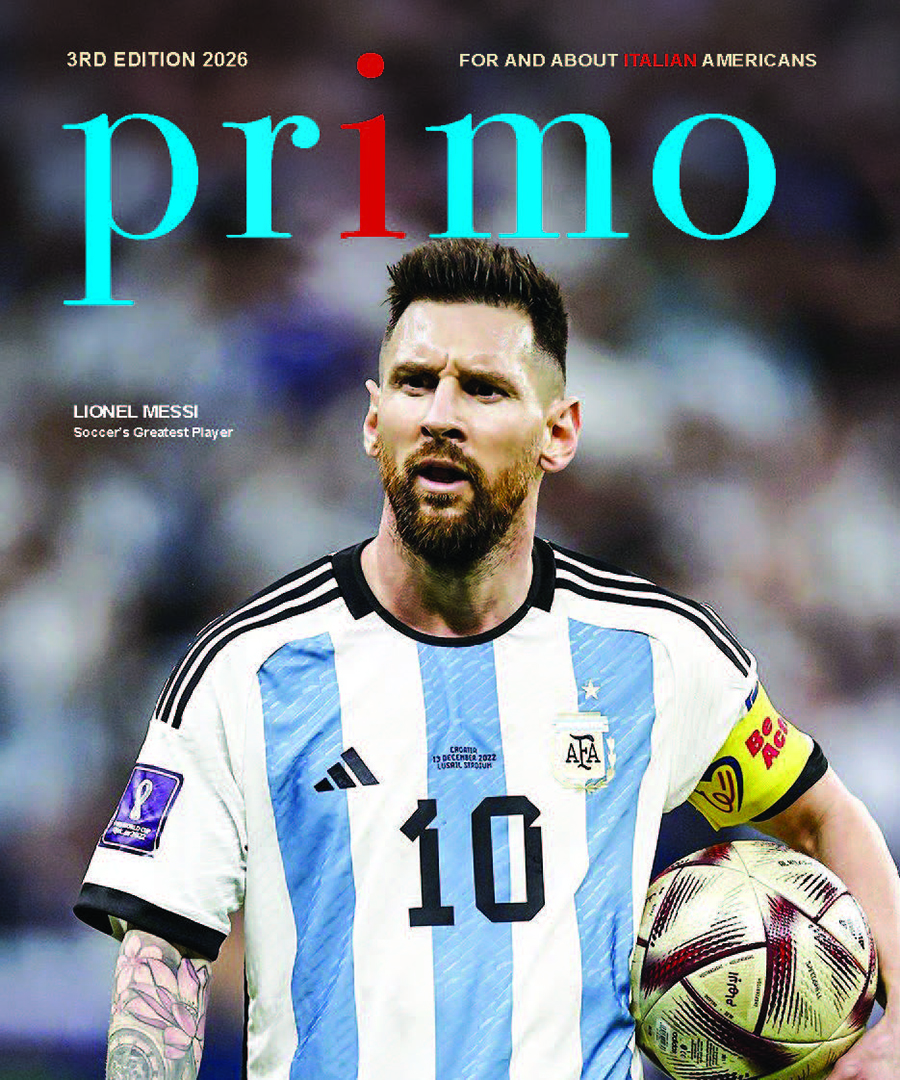
READ HERE THE NEW EDITION - THIRD 2026 PRIMO
—————————————————————————————————————————————————————————————————————————————
Please visit our DVDs Page to shop our latest collection of DVDs on all things Italian: Films from Italy's Golden Age, Documentaries on Italian American life, ancient Rome, and religion.

Please visit our Books' page to review our latest inventory of books on all things Italian: cookbooks, history, art and culture.
Other articles to read...