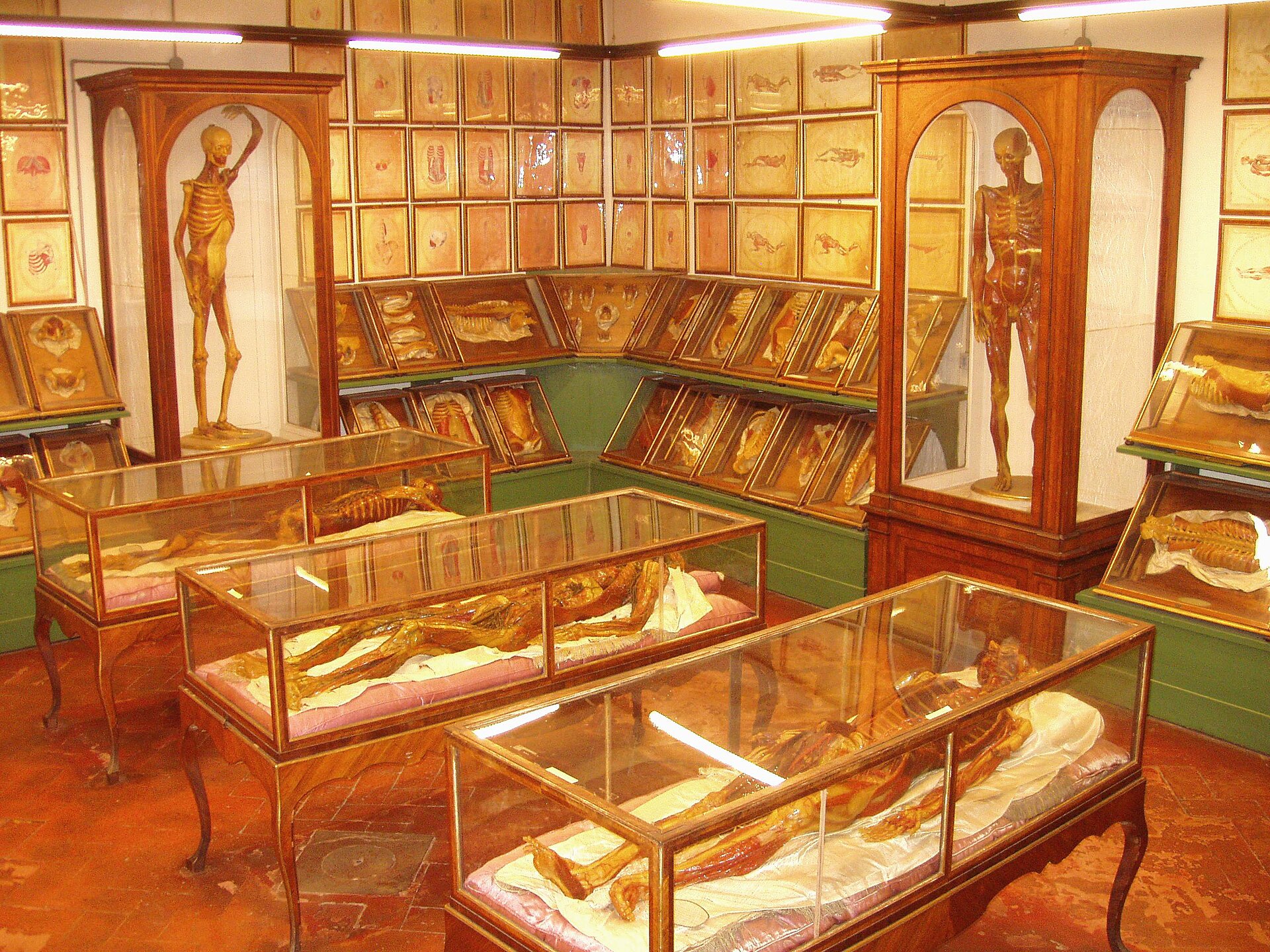
The wax gallery inside La Specola museum in Florence
Troppo caldo da maneggiare!
The wax figures of La Specola find this summer in Italy—too hot to handle!
A powerful heatwave pushed temperatures in Florence above 95°F this past week. The hot weather forced the temporary closure of one of Italy's most extraordinary museum collections after an air-conditioning failure endangered centuries-old wax anatomical models.
The malfunction occurred in the wax anatomical galleries of La Specola, the Natural History Museum of the University of Florence.
University officials ordered emergency maintenance and transferred the delicate waxworks to refrigerated storage rooms as a precaution, suspending public access to the collection.
The wax gallery inside La Specola museum in Florence
⸻
Italy’s House of Wax
La Specola's renowned Waxworks Workshop has produced approximately 1,400 anatomical wax models since 1771. The museum is widely regarded as the world's most important collection of its kind. The remarkably lifelike sculptures depict all aspects of human anatomy, the workings of the various organs, and the body’s reactions to different diseases.
The wax sculptures require carefully controlled environmental conditions, with an ideal temperature of about 64°F. Prolonged exposure to temperatures approaching 95°F can cause the wax to soften and potentially warp and deform the sculptures.
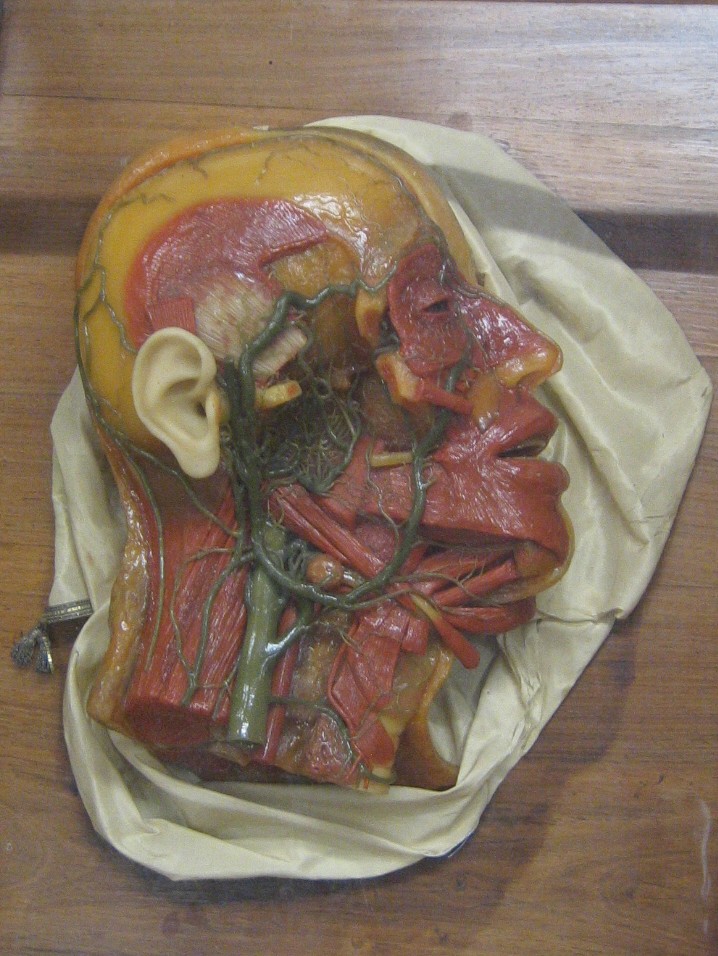
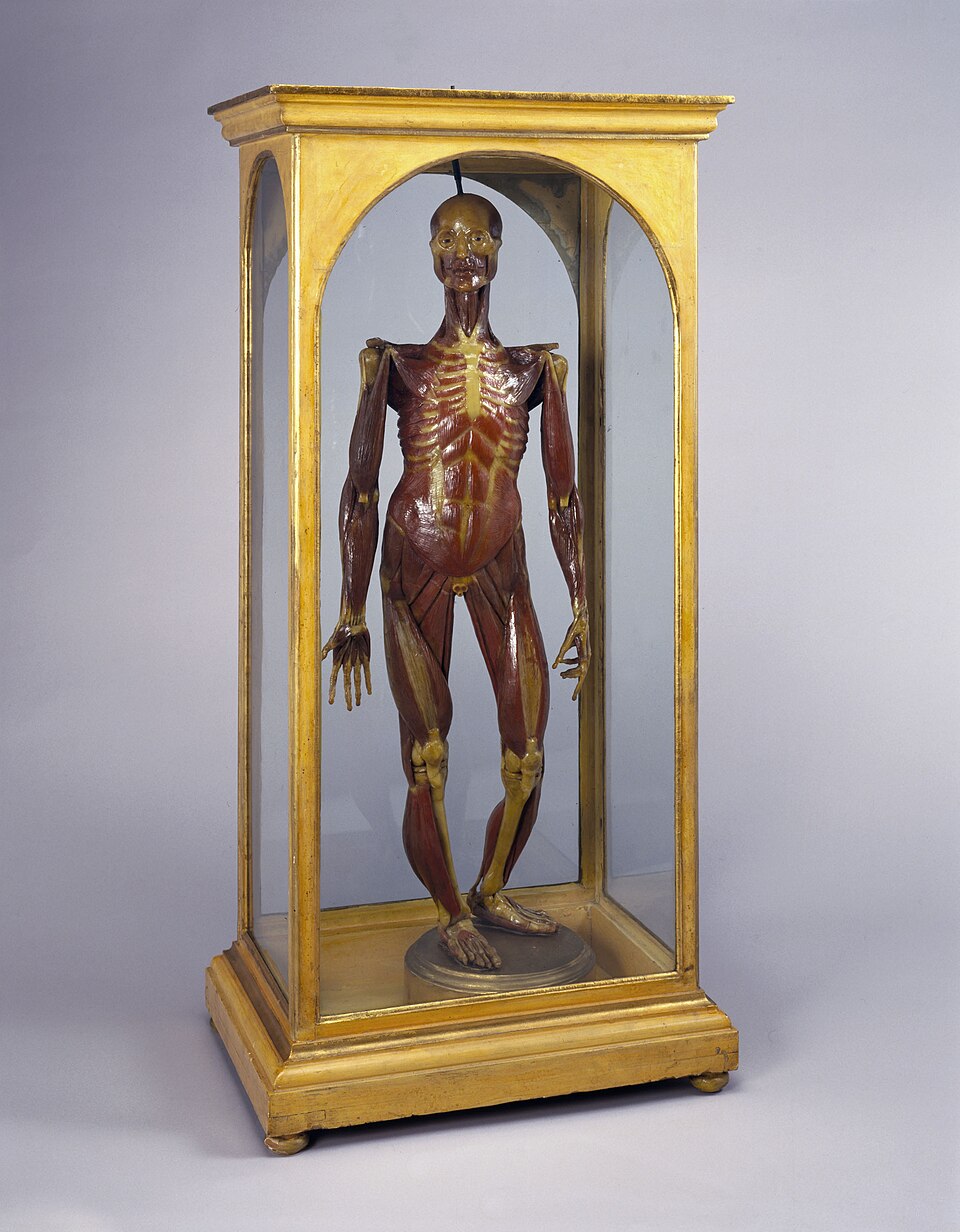
A sample of some of the wax sculptures in La Specola
______
Uffizi Urgency
The incident marks the second climate-related museum scare in Florence within weeks.
In late June, the Uffizi Galleries also experienced an air-conditioning failure during another period of extreme heat. Although no artworks were damaged in either case, the back-to-back incidents have heightened concerns about the growing vulnerability of Italy's cultural treasures to increasingly frequent heatwaves.
Conservation experts say the episodes underscore a broader reality: protecting cultural heritage has become as much a matter of climate adaptation as traditional preservation. Emergency response plans, continuous microclimate monitoring, redundant climate-control systems, and secure, temperature-controlled storage are no longer considered luxuries—they are becoming essential safeguards for some of the world's most irreplaceable works of art and history.
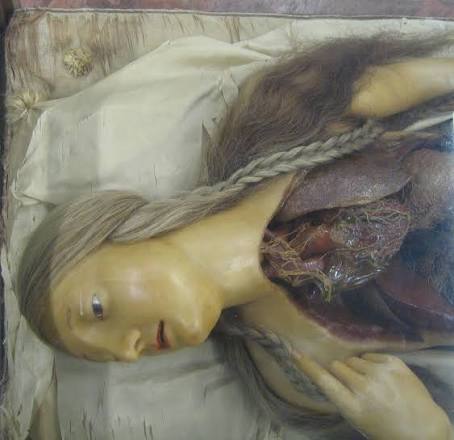
One of the female figures in La Specola
_____
Climate Crisis
The anatomical models at La Specola were not made from ordinary candle wax. Beginning in the 1770s, the museum's artisans developed sophisticated wax mixtures to include beeswax, resins, pigments, and some oils.
The formula made models stronger, more detailed, and less susceptible to minor temperature changes than plain beeswax.
However, they were never designed to withstand prolonged modern heatwaves or the loss of climate control.
Officials at La Specola were not concerned that the figures would suddenly turn into puddles of wax when temperatures rose to 95°F. Pure beeswax melts at around 144–147°F. The crisis turned on the 300-year-old wax sculptures softening and deforming when temperatures began to reach near 100. The fine details—such as veins, facial features, and organs—were set to warp and lose their shape. Sculpted wax limbs or delicate projections could sag. Painted surfaces were to crack or separate from the wax. Repeated cycles of warming and cooling could cause long-term structural damage.
Museum conservators also worried about temperature fluctuations. If a gallery normally stays around 64°F and then warms dramatically because the air conditioning fails, the rapid change could cause the wax to expand at different rates.
The emergency at La Specola was largely preventive. By moving the collection into refrigerated storage, conservators aimed to ensure the models never reached temperatures where softening or distortion could begin. With irreplaceable works that are more than 250 years old, museums generally act well before visible damage occurs.
_____
Italy’s Aversion to Air Conditioning—Why?
Much of Italy's historic city centers—including Florence, Rome, Venice, and Siena—consist of centuries-old stone buildings. With thick masonry walls, these structures can naturally stay cool.
Many of the centuries-old homes in Italy were designed with small windows. They came with exterior shutters to block the sun. Strict preservation rules in Italy disallow most alterations. Installing modern ductwork or visible condenser units can be difficult or even prohibited in protected buildings.
For generations, Italians relied on closing shutters during hot afternoons. Windows were open wide in the early morning and evening. Some homes contained ceiling fans. The afternoon riposo (nap) limited physical activity in the hottest period of the day.
Italy has some of Europe's higher household electricity costs because of regulations and lack of resources. Running central air is more expensive in Italy than in America. Italians must rely on window units, instead—more scarce in Italy than in America.
Air conditioning is frowned upon by Italians due to a genuine cultural belief shared by many that an excessive cold blast of air—colpo d'aria—can contribute to illness.
Recent summers have become significantly hotter, more homes in Italy opt for air conditioning installations. Restaurants and hotels are increasingly relying on central air to keep their interiors cool and comfortable.
The recent incidents at La Specola and the Uffizi Galleries underscore a need for air conditioning. Collections that once relied on naturally cool stone buildings increasingly require sophisticated climate-control systems because today's temperatures can exceed what those buildings were designed to withstand.
Editor’s Note: The web site for La Specola is:
https://www.sma.unifi.it/index.php?module=CMpro&func=viewpage&pageid=387&newlang=eng
READ HERE THE NEW EDITION - SECOND 2026 PRIMO

—————————————————————————————————————————————————————————————————————————————
Please visit our DVDs Page to shop our latest collection of DVDs on all things Italian: Films from Italy's Golden Age, Documentaries on Italian American life, ancient Rome, and religion.


Please visit our Books' page to review our latest inventory of books on all things Italian: cookbooks, history, art and culture.

Other articles to read...