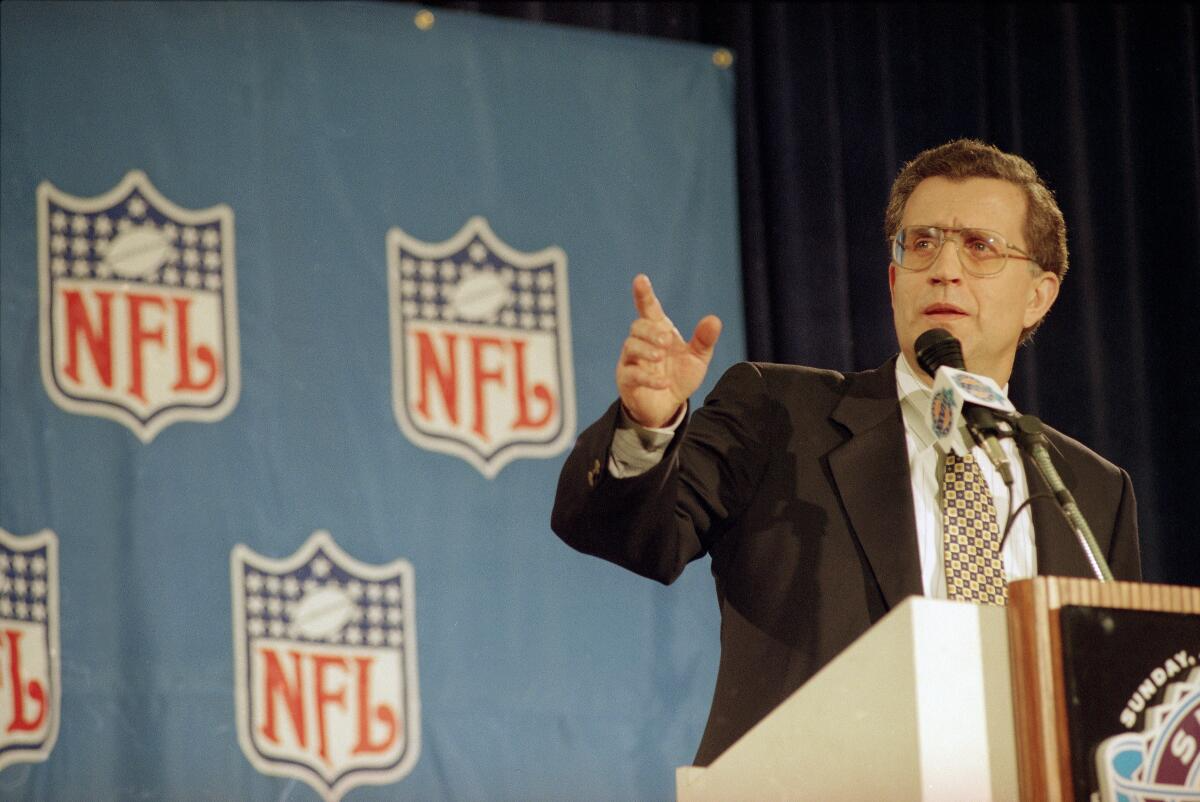
One of the great Italian American success stories in sports—Paul Tagliabue—died this weekend, at age 84.
Paul Tagliabue served as NFL commissioner from 1989 to 2006.
Italians are often stereotyped as hot headed and impulsive, yet Tagliabue was famous for his quiet resolve and control.
⸻
In the Arena
Tagliabue was the antithesis of Donald Trump. Where the young developer, now president, was brash, combative, and boastful, Tagliabue was reserved, methodical, and modest.
The two met in the arena: The winner, Tagliabue.
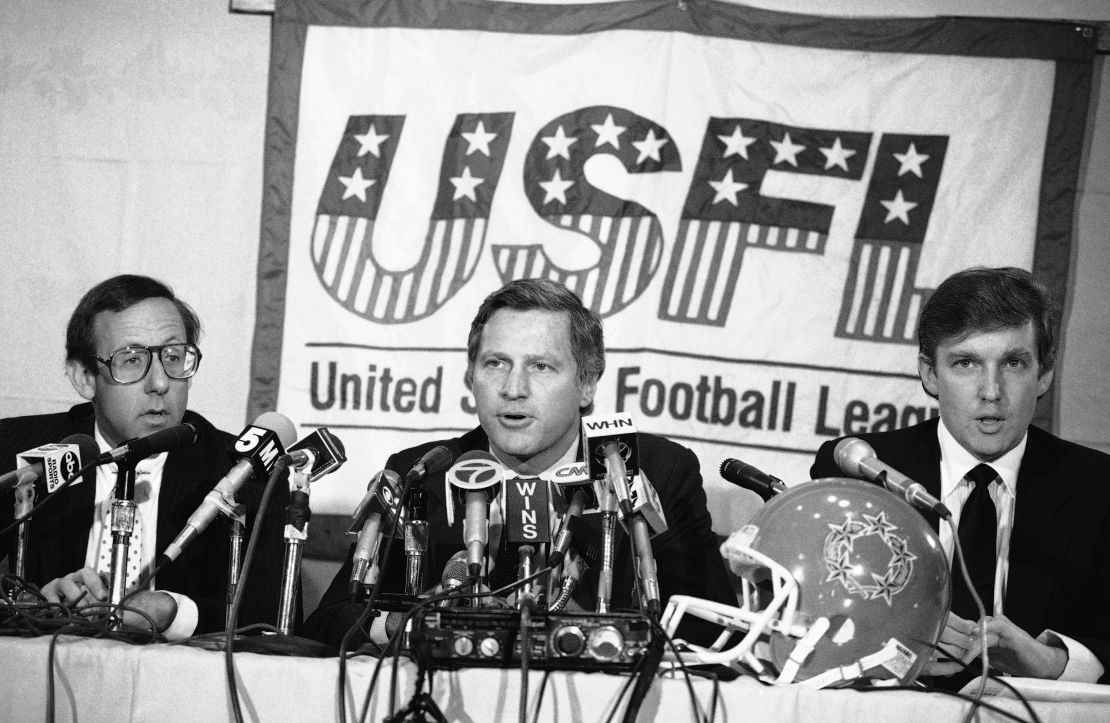
Trump was one of a number of team owners to make up the new yet promising United States Football League. His team— New Jersey Generals—played in Giants Stadium, within the shadow of the New York skyline. Trump was a hands-on owner. He acquired the likes of Heisman Trophy winner Herschel Walker to play for the Generals.
The United States Football League (USFL) seemed on the right path to success, a new league to challenge the dominance of the National Football League.
Yet, after all the hype, work, and investment, the USFL sought victory in the courts rather than on the field. The goal: Force the NFL to merge.
In 1984, the USFL filed a $1.3 billion antitrust lawsuit against the National Football League (NFL). A verdict in the new league’s favor could be the death nell of the NFL.
⸻
NFL Elimination?
The USFL, a springtime league founded in 1982, seemed a formidable rival to the NFL. They had lured away college stars such as Doug Flutie and Steve Young, in addition to Herschel Walker.
Trump and other USFL owners dreamed of forcing a merger with the NFL. They decided to switch their season from spring to fall. The USFL wanted to compete for a football audience head-to-head with the established league to make a merger the only future option for the two leagues.
When television networks balked at broadcasting fall games, the USFL accused the NFL of monopolizing the airwaves and filed suit in Manhattan federal court.
At stake: not only billions of dollars, but the NFL, itself.
⸻
Team Leader
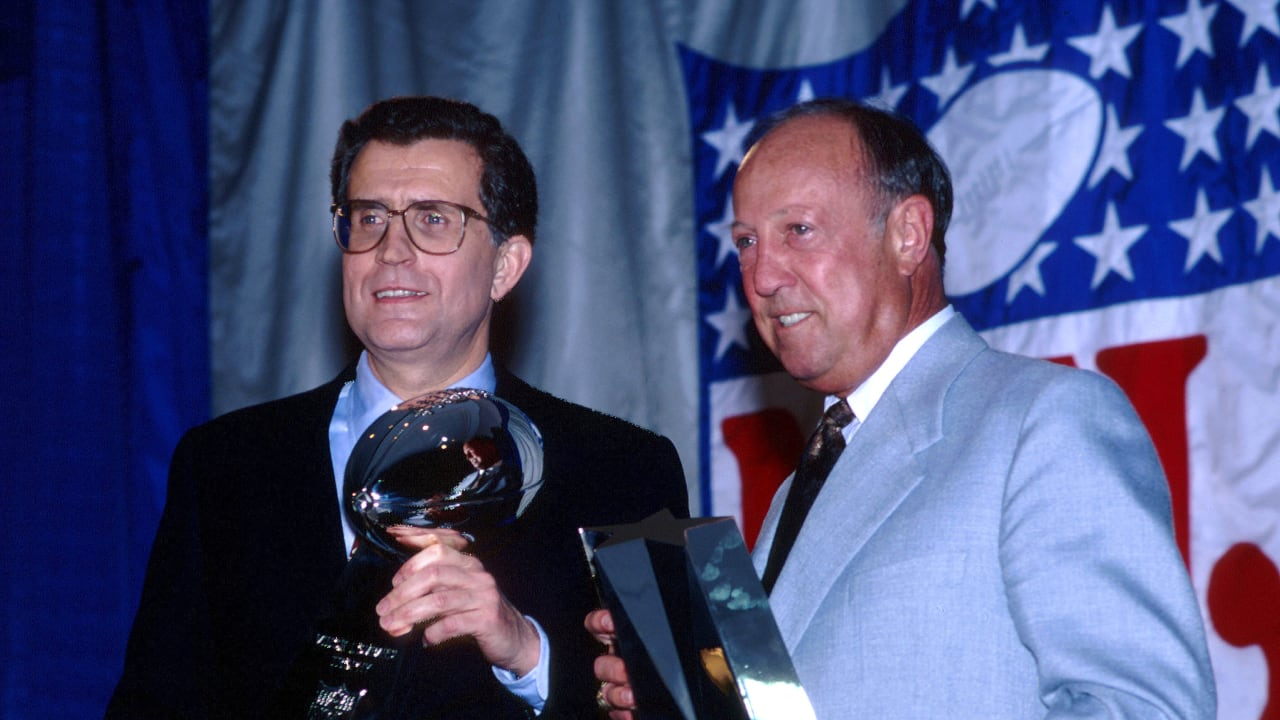
Tagliabue, then a partner at Covington & Burling, had long served as the NFL’s outside counsel. He was the man chosen by then-NFL Commissioner, Pete Rozelle, to lead the defense.
Where the USFL came armed with celebrity lawyers and television cameras, Tagliabue arrived with a stack of color-coded binders and an unhurried demeanor.
Reporters noted his calm voice, precise diction, and professor-like patience.
Behind the quiet manner was a devastating logic. Tagliabue argued that the USFL’s wounds were self-inflicted—poor management, reckless expansion, and a disastrous decision to move from spring to fall play.
His cross-examinations were surgical. He never raised his voice, but by the end of each exchange, witnesses had contradicted themselves. Even Trump’s own testimony—boastful, combative—helped Tagliabue’s point that the lawsuit was a business gambit, not a plea for fairness.
___
Dollar Defense
After ten weeks of testimony and 30 hours of jury deliberation, the decision came down on July 29, 1986: Yes, the NFL held monopoly power—but no, it had not caused the USFL’s collapse.
Damages awarded to the USFL: $1, automatically tripled to $3 under antitrust law.
One juror later explained, “We felt the USFL had a case in theory, but they destroyed themselves. One dollar seemed right.”
That single dollar ended the USFL. Its teams folded within months. Trump’s team—New Jersey Generals—was finished. The NFL emerged not only victorious but vindicated—and the quiet lawyer who had saved the league was suddenly the most respected figure in sports.
Tagliabue refused to gloat. Outside the courthouse, he told reporters only:
“We respect the jury’s careful consideration. The NFL will continue to compete vigorously—on the field and in the marketplace.”
He cautioned owners not to celebrate publicly, reminding them that humility protected the league’s credibility. That self-restraint impressed Commissioner Pete Rozelle, who began grooming Tagliabue as a possible successor.
Three years later, the owners elected Tagliabue commissioner of the NFL.
⸻
Football Champ
The “one-dollar verdict” became legendary in American sports law, taught in business and antitrust courses as a case study in strategic understatement.
Tagliabue’s method—facts over flash, persuasion over aggression—defined his later tenure as commissioner.
He negotiated peace between owners and players, expanded the league, and guided it through two decades of prosperity.
His Italian upbringing, rooted in discipline and modesty, shaped that temperament. He never sought fame; he sought order, balance, and fairness.
As one former owner said, remembering that courtroom day:
“The USFL came for blood. Paul Tagliabue gave them logic—and that’s how he won.”
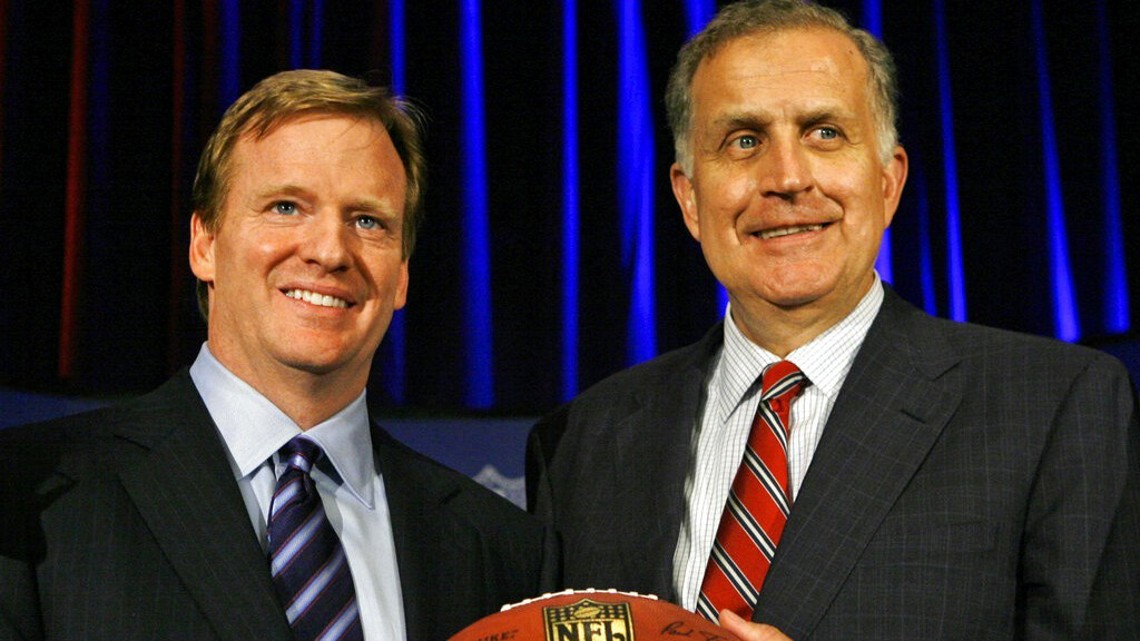
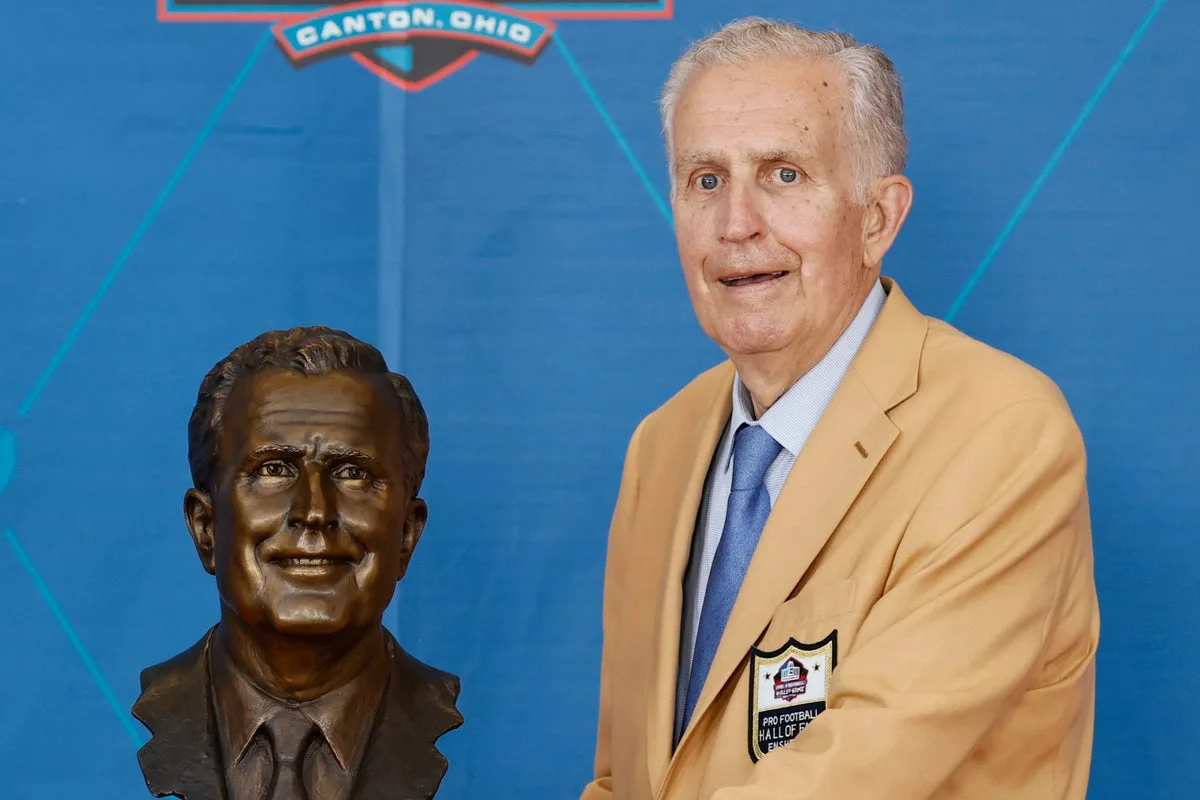
Editor’s Note: Paul Tagliabue earned his BA at Georgetown University in 1962 and his JD from New York University in 1965. He was originally from Jersey City, New Jersey. As NFL commissioner from 1989 to 2006, Tagliabue saw the league grow from 28 to 32 teams, a total valuation from $1.1 billion to over $6 billion, the establishment of free agency, and the player's salary cap. Afflicted with Parkinson's Disease, he passed away in his home in Chevy Chase, Maryland. He is survived by his wife Chandler and two children, Andrew and Emily. Pictured: Tagliabue at one of his many press conferences as NFL commissioner. Donald Trump is pictured at a press conference for the USFL. Tagliabue followed Pete Rozelle as NFL commissioner until 2006, when Roger Goodell, the current NFL commissioner, took over. Tagliabue was inducted into the football hall of fame in 2020.
—————————————————————————————————————————————————————————————————————————————
Please visit our DVDs Page to shop our latest collection of DVDs on all things Italian: Films from Italy's Golden Age, Documentaries on Italian American life, ancient Rome, and religion.
Please visit our Books' page to review our latest inventory of books on all things Italian: cookbooks, history, art and culture.
Other articles to read...