All roads still lead to Rome.
In the ancient world and, even today, on the World Wide Web.
TikTok has delivered one of the strangest revelations yet: millions of men admitted—without hesitation—that they think about Ancient Rome constantly. Some said once a month. Many said once a week. Many more said every single day.
Women were baffled. The media was amused. Yet, the trend itself exposed something deeper: Ancient Rome occupies a permanent place in the modern imagination, especially for men.
Behind the humor lies a cultural truth for Italian Americans to utilize in defending and promoting out culture and heritage.
The Roman Empire trend confirms the foundational Western identity of our heritage. Italian American leaders can utilize this new movement in pop culture as a powerful tool to win support in politicized debates around Columbus, Italian contributions, and the meaning of Italian heritage in America.
⸻
A Forgotten Connection
The surprise of the Roman Empire trend wasn’t that millions of people know something about Ancient Rome—it was that so many think about Ancient Rome habitually. One man said he thinks about the fall of Rome when filling his gas tank. Another said he thinks of Julius Caesar whenever he gets an email from his boss. A teenager confessed that he daydreams about aqueduct engineering during math class.
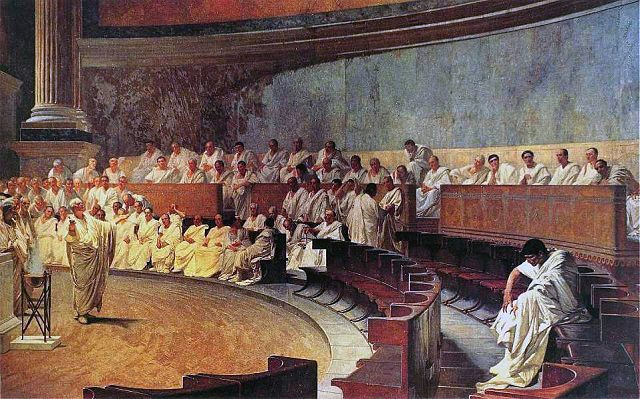
Viewed collectively, these videos demonstrated something quietly true for generations: Rome is embedded in American life, even when people don’t consciously realize it.
Almost all aspects of modern American derive from ancient Italy—our architecture, our engineering, our laws, our political ideals, our military structure, our identity.
Ancient Rome is not merely a historical period. It is a cultural foundation—one built on Italian soil.
⸻
Ancient Rome Is Our Italian Heritage
For decades, Italian Americans have been told that our heritage is “ethnic,” a nostalgia for grandparents and immigrants. Columbus, especially, has been framed as a symbol of a niche group rather than a figure in world history.
Yet, this is historically false.
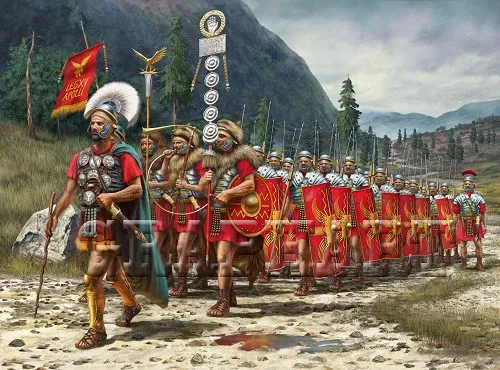
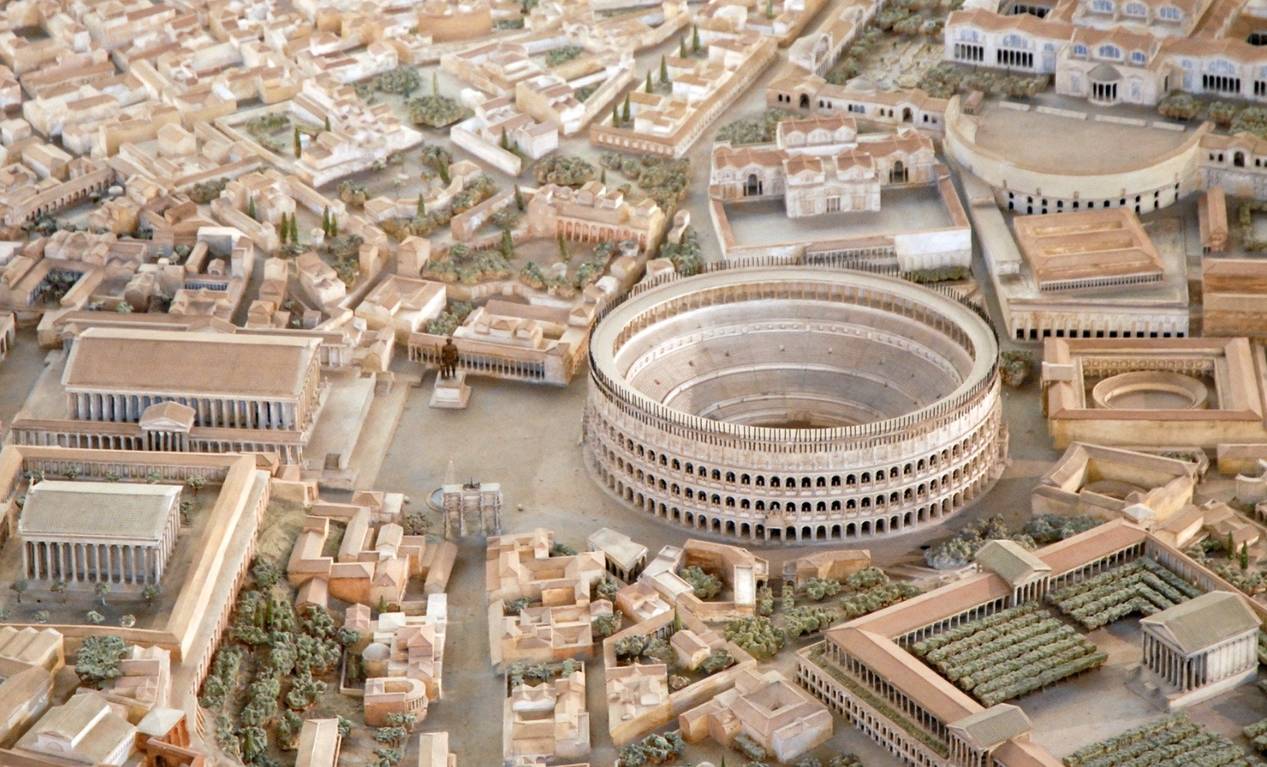
Italian civilization covers nearly three thousand years, from the Etruscans to the Romans to the Renaissance to the modern Italian state. Rome was not just an Italian empire—it was the architect of the West.
When millions of Americans admit they think about Rome daily, they are—often without knowing it—thinking about all things Italian, not just all things Roman.
Italian heritage is not a “subculture.” It is the spine of Western civilization. This is the message Italian American leaders must embrace.
⸻
Why Rome’s Popularity Is a Strategic Opportunity
Italian American advocacy has often been forced into a defensive crouch. Every Columbus controversy becomes a firefight. Every heritage debate becomes an argument framed on someone else’s terms.
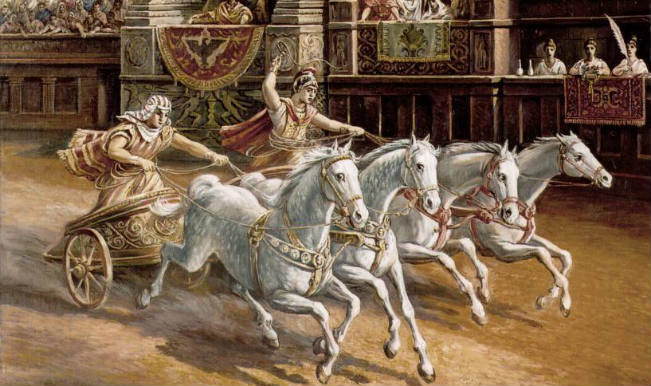
The Roman Empire trend presents a rare cultural opening. Why? Because millions of young Americans showed—for the first time—that they are fascinated by Italian antiquity. The interest is real, organic, and powerful. The fascination of Ancient Rome can be used to deepen appreciation for Italian identity, history, and contributions.
Italian American leaders must seize the moment. They must say to the younger generations: “If you admire Rome, you’re already invested in Italian heritage. Let us show you how it evolved and continues today.”
The Roman gateway can lead directly into: Renaissance Italy, Italian navigation, Columbus in historical context, Italian American immigration, and modern Italian arts and culture
⸻
What Rome Can Teach About Columbus
One reason the Columbus debate has grown so skewed is because history has been reduced to moral absolutism. Many young activists want “perfect” figures, judged by modern standards, stripped of complexity.
Ancient Rome contradicts that instinct.
People openly admire: Caesar, who crossed the Rubicon, Augustus, who consolidated unprecedented power, Hadrian, who built walls to define empire boundaries, and Constantine, who reshaped religion and governance
No one demands their statues come down. No one insists Rome be canceled. People accept the contradictions because they understand Rome as a mature story of civilization.
If young Americans can admire Rome—with its brilliance and flaws—they are psychologically prepared to understand Columbus.
Rome helps reframe Columbus from a modern flashpoint into a historical chapter—to be learned, admired, and—yes—celebrated.
⸻
TikTok Revealed Something We Already Knew
For Italian Americans, the Roman Empire trend is not an oddity. It is confirmation.
America still feels the presence of Rome. That ancient legacy is ours—our ancestors, our soil, our language, our traditions.
Italian Americans have a tremendous opportunity to use this cultural moment to remind the country that our story is not a side chapter.Ours is the thread that weaves the entire tapestry together.
The world may move on to the next trend—but Rome remains. So does Italy. So does our Italian American heritage.

—————————————————————————————————————————————————————————————————————————————
Please visit our DVDs Page to shop our latest collection of DVDs on all things Italian: Films from Italy's Golden Age, Documentaries on Italian American life, ancient Rome, and religion.

Please visit our Books' page to review our latest inventory of books on all things Italian: cookbooks, history, art and culture.
Other articles to read...