Bigger is better.
In Italian aviation, that is.
The largest airplane in history will be made in Italy.
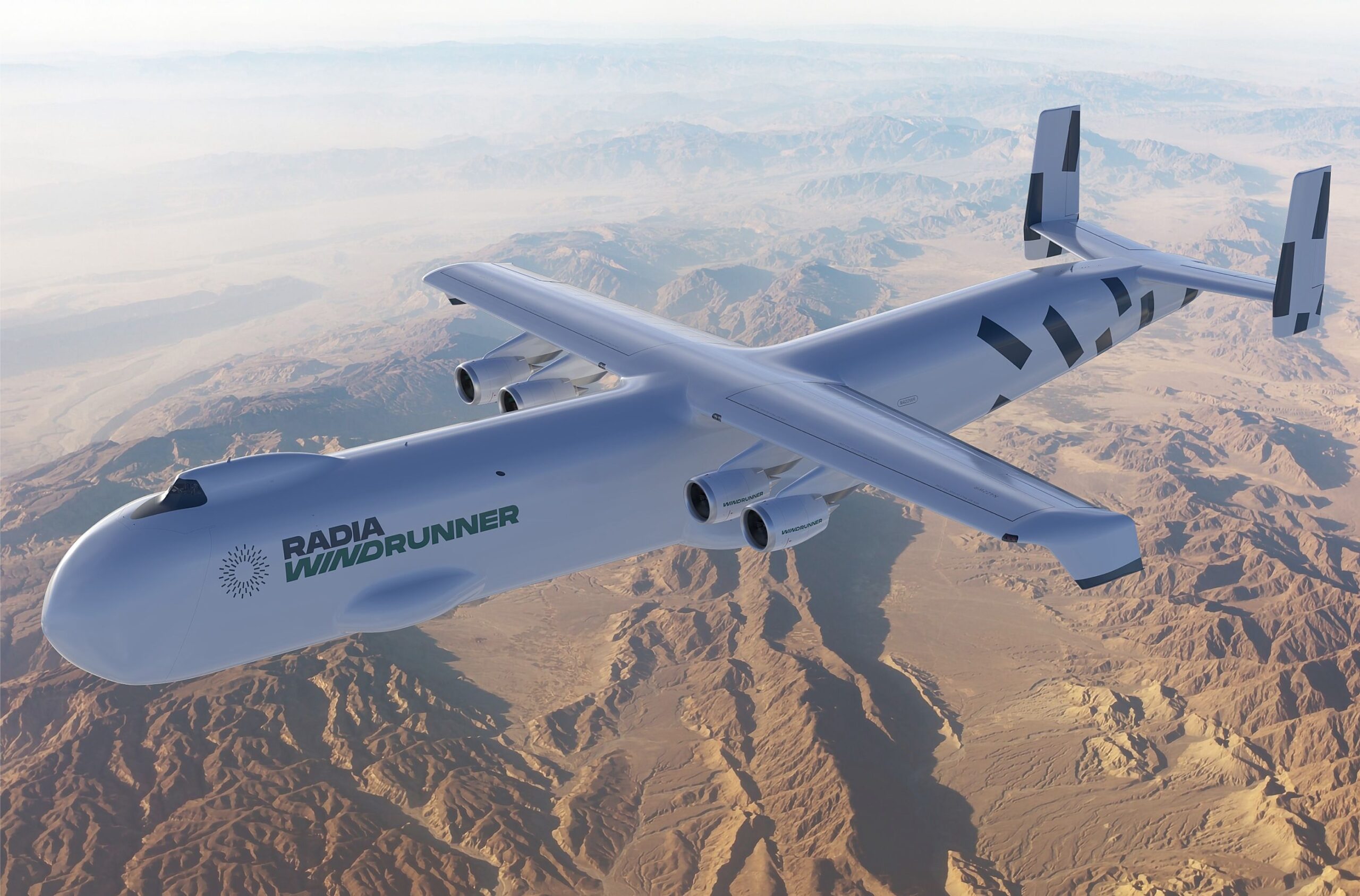
Get ready for the WindRunner, a new ultra-large outsized-cargo aircraft tailored to move things that simply don’t fit in today’s air-lifters.
For products such as 100-meter wind-turbine blades, long rocket stages, or entire military systems: They will snuggly fit inside the fuselage of the WindRunner for transport to the world’s airfields come 2030.
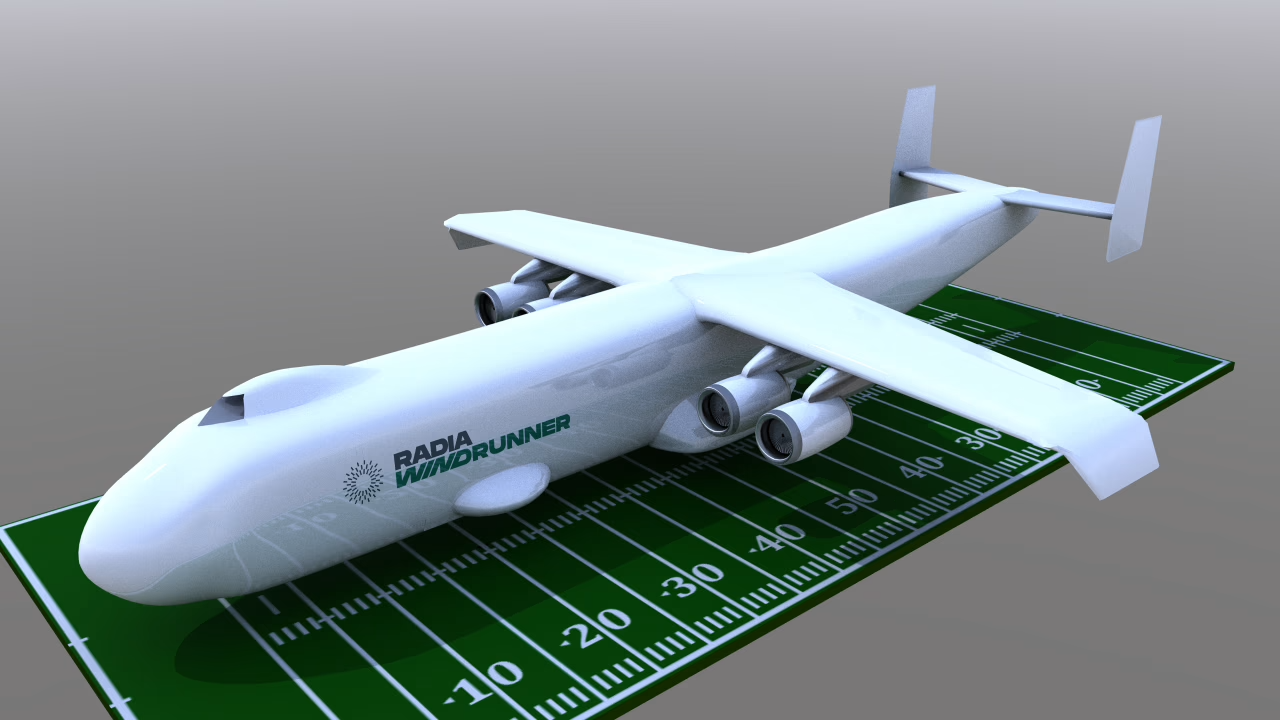
The published specs for the WindRunner are staggering: 109 meters (356 feet) long, 80 meter (261 feet) wingspan; a cargo volume 7,700 cubic meters or 72.6 tons payload. That combination of length and internal volume makes the WindRunner the largest ever.
⸻
For Wind and War
The WindRunner will be made by three primary companies, one American—Radia—and two Italian—Leonardo and Magnaghi Aerospace.
The reason for the massive aircraft is to transport parts for contemporary windmills, claim the makers. On-shore turbines need blades well over 100 meters long; moving them by road or rail is cost prohibitive. WindRunner’s cabin is designed for developers to ship complete blades directly to inland sites.
Windmills aside, however, military applications are likely the sales target. Radia recently announced a Cooperative Research and Development Agreement with the U.S. Department of Defense. The purpose is to assess WindRunner for dual-use missions. The new aircraft will move—what is touted at the Pentagon—“military-unique, oversized cargo”— such as missile systems and launch canisters, radar stations and antennas, command and control shelters, mobile operation centers, and, most likely, a massive number of drones.
⸻
The Reign of WindRunner
Based in Boulder, Colorado, Radia is the lead company to put together the WindRunner project. They decided the Italian companies to help bring the aircraft to life. Leonardo, headquartered in Rome, will design and develop the fuselage of the aircraft will Maganghi Aerospace, in Naples, will build the landing systems.
Rome’s new ZES Unica (“unified special economic zone”) will be the site for manufacturing the fuselage while the Mezzogiorno will have factories to produce the landing gear and other components.
The goal is to produce 100 WindRunners for use by 2030.
The WindRunner will be 50 percent larger than the Airbus A380-800, currently the world’s largest passenger jet. The WindRunner will be longer and wider than the Antonov An-225, currently, the world’s largest cargo plane.
Leonardo was chosen to help build the WindRunner because of the company’s expertise in building large aircraft. Their key factory—Grottaglie is located in Taranto, in the region of Puglia. The facility is most famous for making the carbon-fiber fuselage barrels for the Boeing 787 Dreamliner.
Magnaghi Aerospace is a long-standing landing-gear specialist (thousands of systems in service) and is headquartered in Campania—again aligning expertise with the South’s industrial policy.
———
Rise of Leonardo

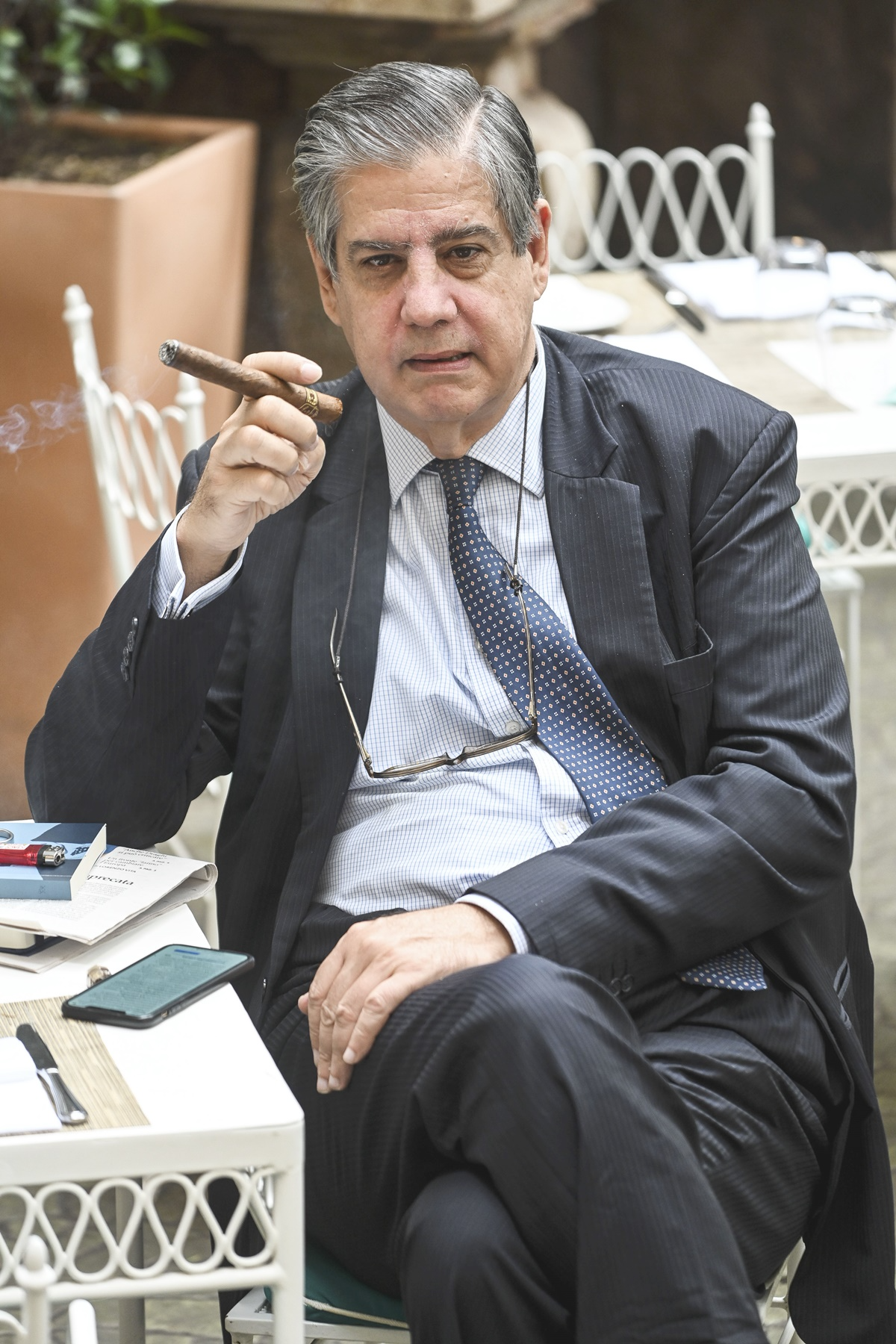
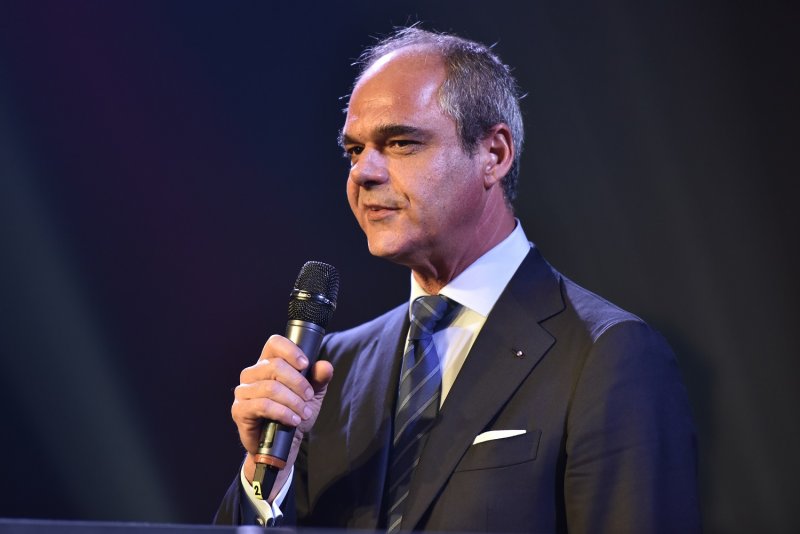
Leonardo's Dr. Robert Cingolani and Stefano Pontecorvo and Radia's Giuseppe Giordo
Leonardo is becoming a major player in military aircraft. The company’s chief executive and general manager is Dr. Roberto Cingolani, a former Italian minister of ecology, a physicist famous for advancing Italy’s move toward a “future technologies” agenda.
Chairman of the board is Stefano Pontecorvo, a man with connections to world leaders. He has positioned Leonardo a key supplier for NATO and the militaries of countries in the Middle East.
For the WindRunner, Radia hired Giuseppe Giordo this year to serve as the company’s president of Italian operations. A veteran of Alenia/Leonardo and Fincantieri, he’s set to enhance Radia’s Italy hub.
Italian innovation, once famed for art, design, and the automobile, now extends to the outer limits of aerospace. The world’s largest aircraft will have the peninsula as home. Italy is once again building what others can only imagine.
Editor’s Note: The web site for Radia is https://radia.com; for Leonardo, https://www.leonardo.com and for Magnaghi is https://www.magroup.net
—————————————————————————————————————————————————————————————————————————————
Please visit our DVDs Page to shop our latest collection of DVDs on all things Italian: Films from Italy's Golden Age, Documentaries on Italian American life, ancient Rome, and religion.

Please visit our Books' page to review our latest inventory of books on all things Italian: cookbooks, history, art and culture.

Other articles to read...